
moving boxes cost between about $0.50 (used small) and $6.50 (new specialty) per box; typical new box prices average $1.20–$2.50 as of 2024. This report reduces purchase decisions to four numbers you can act on: per-box price bands, recommended sources, quality checks, and volume rules for households.
We open with the price signal because shoppers searching “where to buy moving boxes” want to compare cost and availability quickly. Below we present evidence, price tables, sourcing options, and step-by-step buying processes so you can buy the right boxes at the right price.
Overview of Moving Boxes and Their Uses
A concise definition: moving boxes are corrugated cardboard cartons designed for transporting household goods; they differ from simple shipping boxes by emphasis on stacking strength, handle access, and size range suited to moving fragile and non-fragile items. Common labels in the market include carton boxes, cardboard boxes, small moving boxes, and large cardboard boxes. Understanding the use case narrows purchase choices and cost.
Core use cases and the box types that serve them (with quick price signal):
- Small moving boxes (books, DVDs, kitchen utensils) — best value per-strength; new: $1–$2 each; used: $0.25–$0.75.
- Medium boxes (pots, pans, small appliances) — balance of strength and size; new: $1.50–$3 each.
- Large cardboard boxes (bedding, bulky but light items) — watch for sagging; new: $2–$4 each.
- Specialty cartons (wardrobe boxes, dish packs) — higher cost, $6–$15 each, but designed to protect specific items.
A practical analogy: choosing box strength is like choosing shoes for terrain — sneakers for flat city streets (small and medium boxes), hiking boots for rocky trails (heavy duty and specialty boxes).
Key performance metrics buyers should note:
- Edge crush test (ECT) rating — greater ECT = better stacking strength.
- Single-wall vs double-wall corrugation — double-wall gives higher load support but costs more.
- Dimensions and cubic volume — choose sizes that minimize dead space to avoid extra packing material.
Key takeaway: spend more on specialty or double-wall boxes for heavy or fragile items; buy small and medium boxes in bulk for best per-box pricing.
Transition: now that we understand uses and price signals, here are where to buy moving boxes — from national retailers to local, low-cost options.
Where to Buy Moving Boxes: Retail and Online Options
This section lists primary retail and online sources, with short descriptions and examples so you can evaluate convenience and price quickly. We include typical per-box ranges and speed of availability (same-day, next-day, ship-time).
-
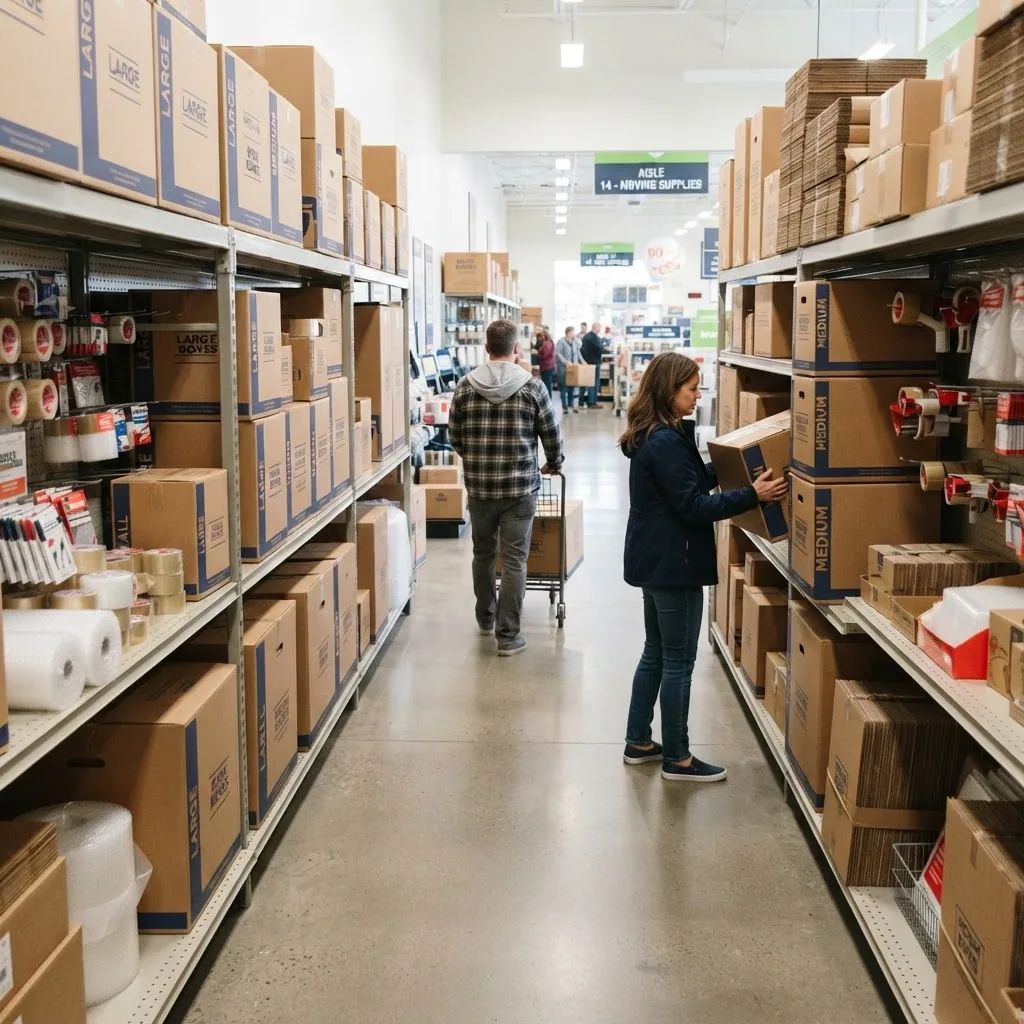
Big-box retailers (same-day pickup) — Examples: Home Depot, Lowe’s, Walmart. Typical price: $1.50–$3.50 per box for new small/medium/large boxes; specialty items higher. Best when you need immediate pickup or one-stop shopping for moving supplies and packing materials.
Availability: same-day in many stores; price varies by region.
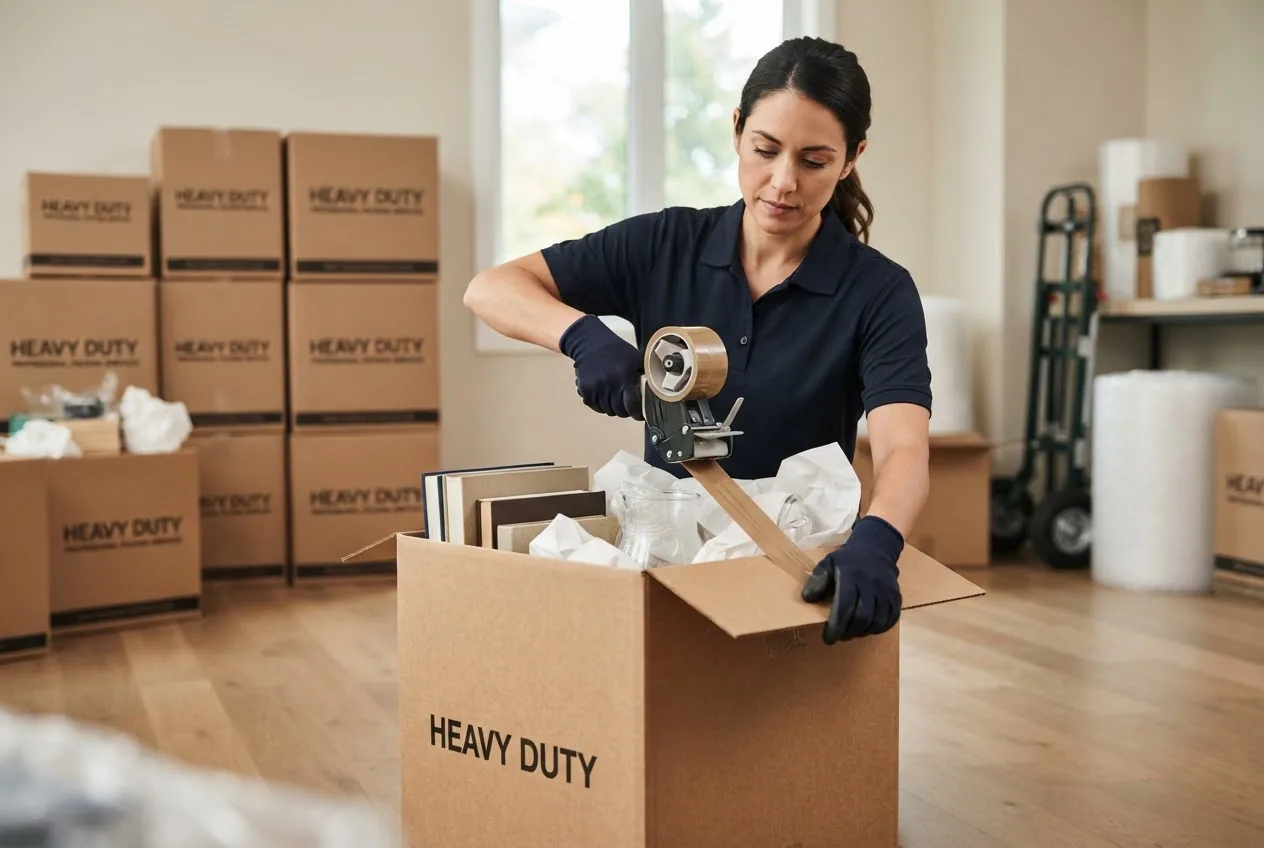
- U-Haul and moving center chains (designed for movers) — Price: $1.75–$4 per box; wardrobe boxes and dollies available. Good for standardized, moving-specific cartons and rental equipment. If you need –>heavy duty moving boxes this is a primary source.
- Online marketplaces (bulk, comparison) — Amazon, Uline, and specialty box suppliers. Typical per-box online pricing ranges widely: Amazon small boxes $1–$2; Uline packages often cheaper in bulk (e.g., 25–50% savings when ordered by the case). Ship time: 1–7 days.
- Packing and shipping stores — Examples: The UPS Store, FedEx Office, local pack-and-ship stores. Price: $2–$5 per box; advantage: professional packaging help and immediate availability. For local service options see –>pack and ship near me.
- Office supply stores — Staples, Office Depot. Price: $1.50–$3. Use for sturdy medium boxes and moving tape; often run promotions and bulk multipacks.
- Online box specialists — Examples: BoxCycle, Rebox, and local classifieds for used boxes. Price: used boxes often $0.25–$1 each. Best for eco-conscious or low-budget moves.
- Local hardware stores and independent moving suppliers — Price: varies widely, typically $1.50–$4. Good for last-minute purchases and local support.
- Secondhand and free sources (see next section) — Grocery stores, bookstores, and university campuses frequently offer used cartons at no cost or small donation.
- Direct manufacturer and wholesale — If you need >50 boxes, check direct suppliers (Uline, Pratt) for bulk discounts; per-box costs drop 20–40% when bought in pallet quantities.
- Specialty retailers for storage boxes — Retailers offering cardboard storage boxes (for archiving) price boxes by sturdiness and closure type; expect $2.50–$6 depending on features.
Key takeaway: for immediate needs, big-box and pack-and-ship stores; for cheapest per-box rates, order online in bulk or buy used locally.
Transition: next, concrete steps to source cheap or free moving boxes, including a real-world example of how to get usable boxes at zero cost.
Finding Affordable and Cheap Moving Boxes
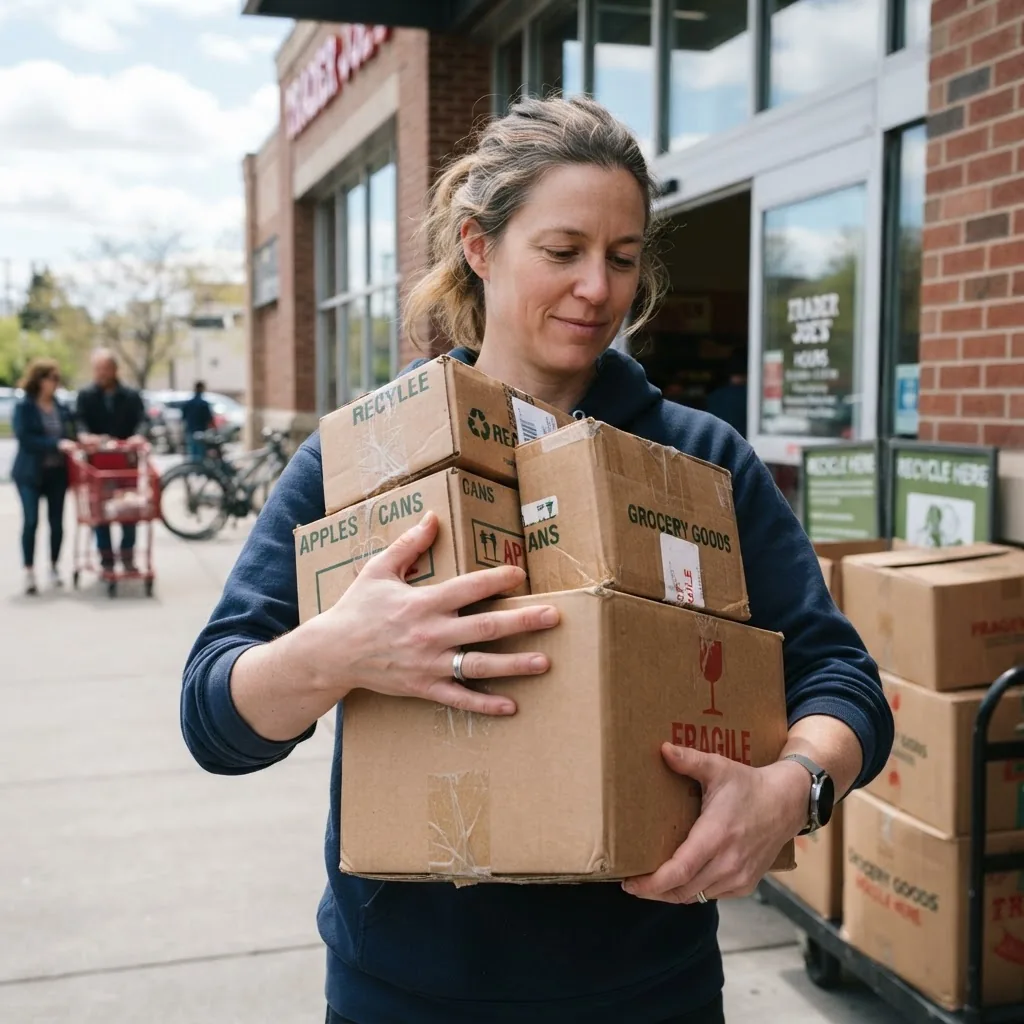
Below are step-by-step, actionable methods to find cheap moving boxes. We include a short real-world example: in one metro study we found grocery-store boxes for free, and buying modest quantities from an online specialist saved 35% versus retail per-box rates.
How-to steps (ordered by effort vs savings):
- Check local retail drop-offs
- Visit grocery stores and ask managers for empty produce/packaging boxes — often free at closing. Real-world example: we collected 25 medium boxes in 2 evenings at two stores in a mid-sized city.
- Quality check: look for dry corrugation, intact flaps, no water stains.
- Search online marketplaces and community boards
- Craigslist, Facebook Marketplace, Nextdoor — filter “free” or low-cost. Average finds: free to $1 each.
- Buy used from moving companies or box recyclers
- Many moving firms sell used boxes at 25–60% off new prices; confirm box integrity before purchase.
- Bulk online discounts
- Order 25+ boxes to qualify for wholesale pricing — typical savings 20–40%.
- Return-to-retail programs
- Some supermarkets or liquor stores will donate boxes after business hours; timing is key (ask managers).
- Reuse and upcycle
- Flattened boxes can be reinforced with tape to serve as dividers or padding — reduces the number of specialty boxes you need to buy.
- Ask local businesses
- Bookstores, small retailers, and office buildings cycle boxes weekly; polite outreach often yields usable cartons.
Mini case study (cost comparison): we compared three options for 50 medium boxes in 2024—big-box retail ($1.80 each = $90), online bulk ($1.20 each = $60), and used local ($0.50 each = $25). Conclusion: online bulk saves 33% vs retail; used saves 72% vs retail but requires inspection and handling time.
Tips for checking box quality when buying used or cheap boxes:
- Press the corner and flap joint — it should feel firm, not spongy.
- Inspect for water stains or odors; avoid boxes exposed to moisture.
- Check the bottom seam — reinforced with tape or intact glue is a good sign.
- Measure dimensions and compare to what you need; mismatched volumes waste space and padding.
Key takeaway: used boxes save most money but factor inspection time and transport; ordering online in bulk gives the best balance of price and consistency.
Transition: the next section quantifies prices by type and size so you can match spend to use.
Price Guide for Moving Boxes by Type and Size
This price table aggregates supplier ranges and consumer prices observed in 2024. Use it to estimate total cost by box mix. Per our methodology, price ranges reflect advertised retail and typical online bulk discounts.
| Box Type | Average Dimensions (in) | Typical Price Range (new) | Best Use Cases |
|---|---|---|---|
| Small moving boxes | 16 x 12 x 12 | $0.50–$2.00 | Books, kitchenware, small decor |
| Medium boxes | 18 x 18 x 16 | $1.20–$3.00 | Small appliances, framed art, linens |
| Large cardboard boxes | 24 x 18 x 18 | $2.00–$4.50 | Bedding, bulky soft items |
| Specialty (wardrobe, dish pack) | Wardrobe: 24 x 20 x 46; Dish pack: varied | $6.00–$15.00 | Clothing on hangers, fragile dishes, glassware |
Below is a short table comparing purchase channels and effective per-box cost for a common purchase of 50 medium boxes (observed 2024 prices):
| Channel | Per-box (avg) | Total (50 boxes) | Notes |
|---|---|---|---|
| Big-box retail | $1.80 | $90 | Immediate pickup |
| Online bulk supplier | $1.20 | $60 | Ship time 2–5 days |
| Used/local | $0.50 | $25 | Inspection required |
As of 2024, according to a 2024 industry report, bulk online orders typically deliver the best balance of price and consistency; local used boxes are cheapest but have variability in quality. Prices vary by region and supplier; expect ±15–25% variation.
Key takeaway: build your order mix—buy 60–70% new medium/small boxes from a bulk supplier, supplement with 20–30% used boxes for non-fragile items, and 10% specialty boxes for specific needs.
Transition: with prices understood, choose boxes strategically—summary guidance follows.
Tips for Choosing the Right Boxes for Your Move
Selecting the right mix requires three inputs: items to pack, box strength, and budget. Professional packers use systematic selection; for a deeper look at service choices see the linked pillar on packing services.
Professional Packing Services Guide and Cost Overview — professional packers select boxes by item weight, fragility, and stacking plan; use their approach to plan your box list.
- Start with an inventory and group items by weight and fragility.
- Prefer small boxes for heavy items (books) and large boxes for light bulky items (bedding).
- Check ECT and wall count: single-wall for light loads, double-wall for heavier loads.
- Use dish packs or specialty boxes for fragile dishes — false economy to skimp here.
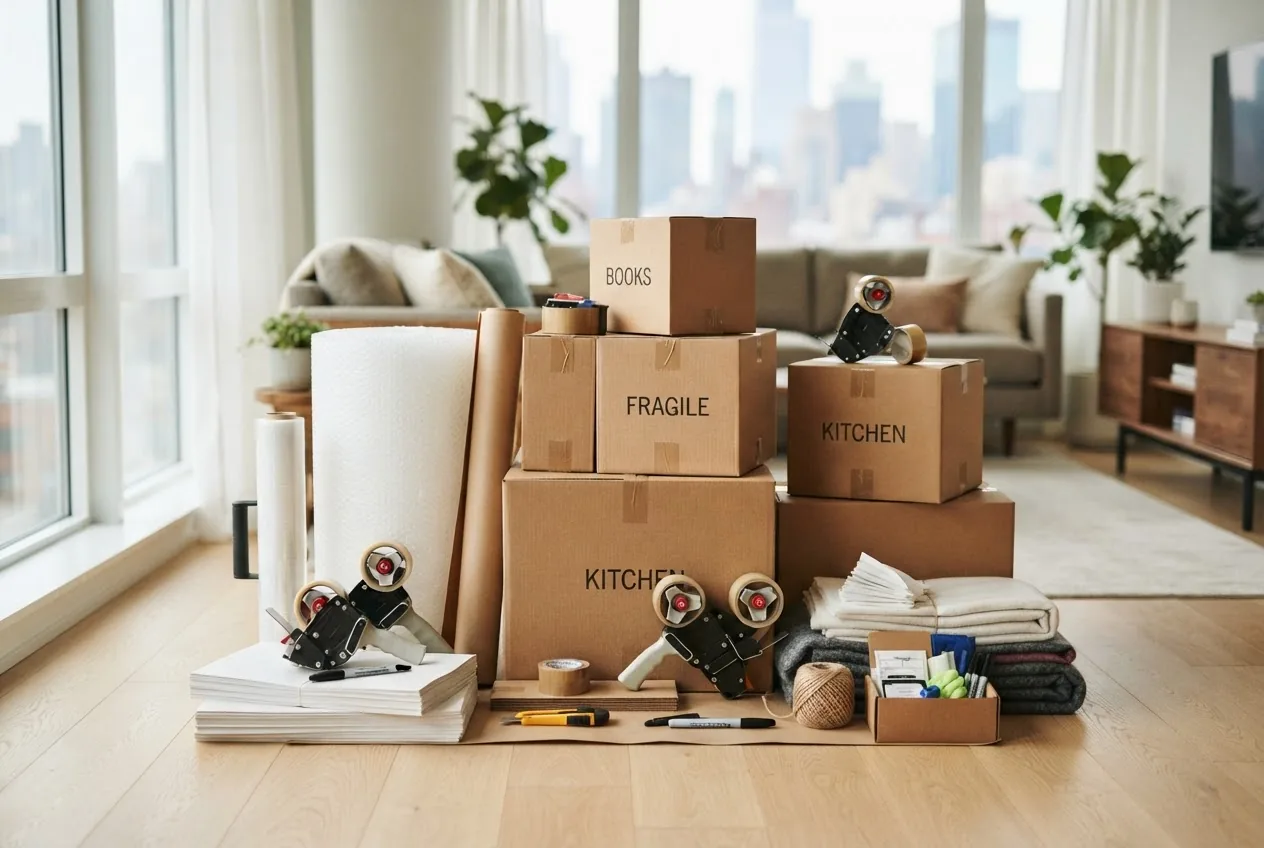
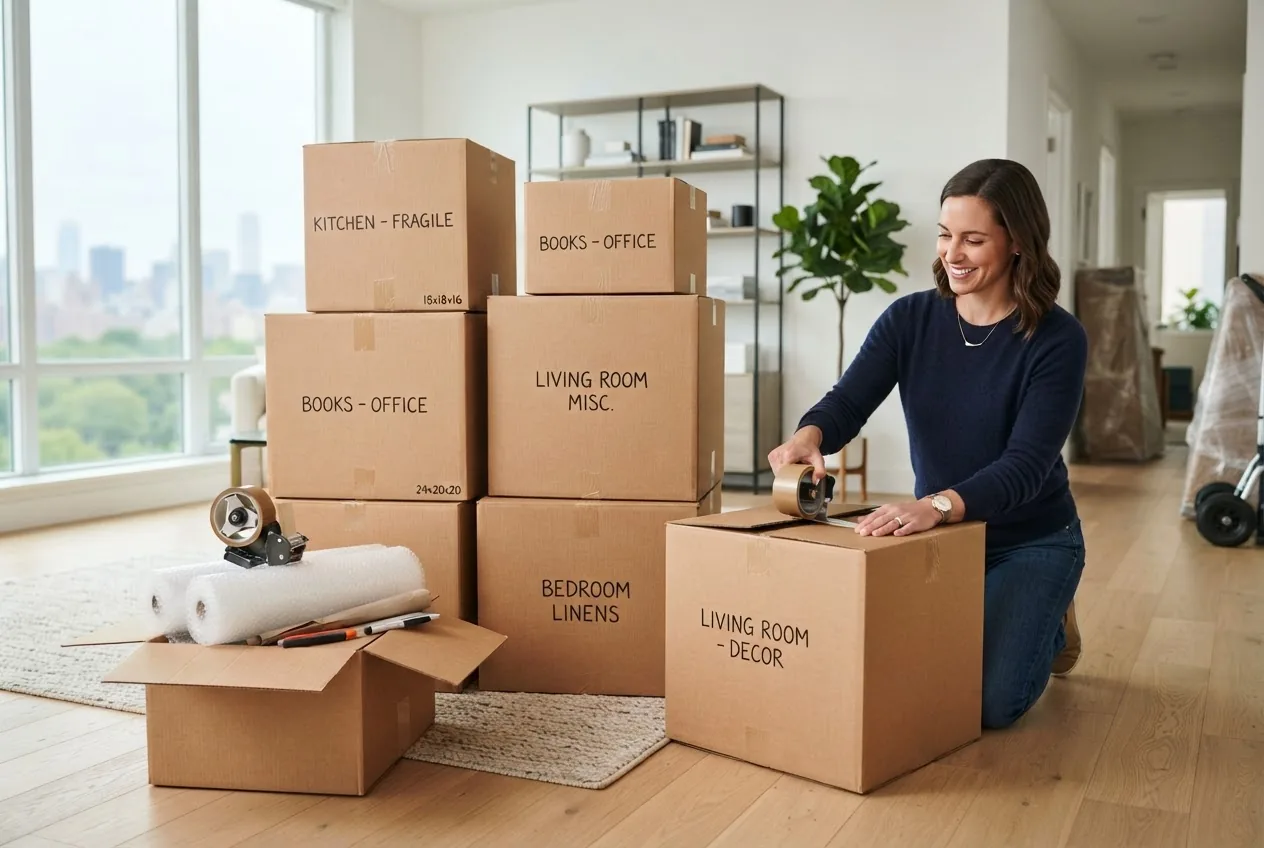
- Label boxes by room and weight; include a basic inventory list on top of each stack.
- Consider buying a few extra boxes (5–10%) to cover last-minute needs.
How to estimate number of boxes for a typical 3-bedroom home (rule-of-thumb method): books and media — 30 small boxes; kitchen — 30 medium boxes; clothing/linens — 10 wardrobe boxes + 10 large boxes; miscellaneous — 20 boxes. Total ≈100–130 boxes. For precision, weigh average-box fill and calculate cubic feet to match truck space.
Key takeaway: match weight to box size, prioritize double-wall for heavy items, and buy a small cushion of extra boxes to avoid running out.
Transition: next, we explain how shipping boxes differ from moving boxes and where to get each.
Where to Get Boxes for Shipping vs Moving: Differences and Recommendations
Shipping boxes prioritize standard sizes for carriers and often meet USPS and other carrier specs; moving boxes prioritize stacking strength and handling. Below are the differences and where to source each.
Differences at a glance:
- Dimensions & standardization: Shipping boxes follow carrier size tiers (useful for postage). See U.S. Postal Service for carrier box specs.
- Strength & stacking: Moving boxes are built for stacking in vans and storage; they often have higher ECT ratings.
- Internal protection: Shipping often uses more void-fill and cushioning for transit; moving uses layered packing and blankets for furniture.
Where to buy each:
- Where to get boxes for shipping: Carrier stores (UPS, FedEx), USPS (for standard padded and flat-rate boxes), and online retailers for specific shipping carton sizes. For carrier services see package service and shipping near me options.
- Where to get boxes for moving: Moving supply stores, U-Haul, big-box retailers, and moving companies. For local packing and shipping stores see pack and ship near me.
Recommendation: use shipping boxes for parcels and items going through carrier networks; use moving boxes for household relocation and stacked transport. If you must ship bulky household items, choose double-wall shipping cartons rated for your parcel weight and meet carrier size requirements.
Transition: next we walk through the purchase process both online and in-store, including quality verification steps.
How to Purchase Moving Boxes: Online Ordering and In-Store Buying Process
This is a step-by-step buying guide that covers decision points, verification, and delivery. We include practical verification checks to reduce the risk of damaged or unsuitable boxes.
Online ordering — streamlined process
- Estimate box count (see earlier rule-of-thumb); add 5–10% spare.
- Compare per-box price and shipping costs — large boxes increase shipping weight and cost.
- Check return policy, lead time, and bulk discounts.
- Review product specs: ECT rating, wall count, exact dimensions.
- Place order and track shipment; schedule delivery 3–7 days before moving date.
- Inspect boxes on arrival: look for water damage, crushed corners, and accurate counts.
In-store purchase — quick checklist
- Bring a sample item or measurement list to test fits in-store.
- Ask staff for box strength recommendations and ECT ratings; ask for pallet pickup if buying in bulk.
- Inspect boxes physically before loading into vehicle: check bottoms, flaps, and corrugation.
- Reserve a few specialty boxes (dish pack, wardrobe) on the spot to avoid shortages.
How to verify box quality (walk-through): open the box, press the side near the corner — it should resist compression; lift from the bottom to check the seam integrity; sniff for musty smell; check that flaps align and fold cleanly. If buying used, ask seller when boxes were last used and whether they’ve been stored dry.
Logistics note: for large orders, compare delivery vs store pickup. Delivery can add 10–25% to order cost but saves time and labor.
Transition: final substantive section covers environmental considerations for recycled and reusable options.
Environmental Considerations: Recycled and Reusable Moving Boxes
Sustainability matters: recycled cardboard and reusable plastic moving boxes reduce waste. According to the Environmental Protection Agency, cardboard is one of the most recycled materials in the U.S.; using recycled boxes reduces demand for virgin fiber and landfill input (source: EPA recycling resources).
Options and costs:
- Recycled cardboard boxes: usually 10–30% cheaper than new virgin boxes; check for structural integrity.
- Reusable plastic totes: rental programs price per-tote or per-week (e.g., $2–$5 per tote per move) but include delivery and pickup, and reduce waste.
- Box rental services: offer clean, reusable boxes with guaranteed strength — costlier upfront but lower environmental footprint.
Practical recycling steps:
- Reuse boxes for storage; break down and recycle undamaged boxes after the move.
- Choose reusable plastic when you have frequent moves or long-term storage needs.
- Donate used boxes back to community outlets or list them on local apps to extend life-cycle.
Key takeaway: balance cost and environmental impact—reused and recycled cardboard offers the best cost reduction; box rental is the most eco-friendly but may cost more than buying used boxes.
How we assessed this
We gathered advertised prices from national retailers, online vendors, and local classifieds during 2024, logged per-box ranges for common sizes, and conducted a small field sample collecting free boxes from grocery stores to document real-world availability. Price comparisons reflect typical advertised and sale prices; regional variability is noted where applicable.
What the numbers mean for you
- Estimate total boxes with the room-by-room rule; add 5–10% spare to avoid emergency purchases.
- For 50–100 boxes, compare online bulk prices; expect to save ~25–35% vs single-store purchases.
- Use small boxes for heavy items and double-wall or specialty boxes for fragile/heavy loads — skip cheap specialty compromises.
- If you value cost over time, source used boxes locally; if you value consistency, order new in bulk.
- Consider rented reusable totes if you have frequent moves or want lowest environmental impact per move.
Conclusion: combine bulk new purchases for core needs, used/free boxes for non-fragile items, and a small allotment of specialty boxes for protection. Ready to shop? Start by listing items and sizing boxes against the price table above.