By the end of this hands-on guide you’ll be able to budget for freight containers for rent, identify all rental requirements, and complete a rental application in one session; estimated time: 2–4 hours; skill level: basic to intermediate.
Before you start
- Prerequisites: a clear delivery site (flat ground, dimensions), a valid photo ID, and proof of address.
- Tools/materials: smartphone camera for inspection photos, tape measure (at least 5 m / 16 ft), pen, and a copy of the proposed rental contract.
- Information to gather: desired container size (20ft or 40ft), intended use (storage vs shipping), rental duration estimate, and insurance details.
-
Understand the product and common uses first
What Are Freight Containers for Rent?
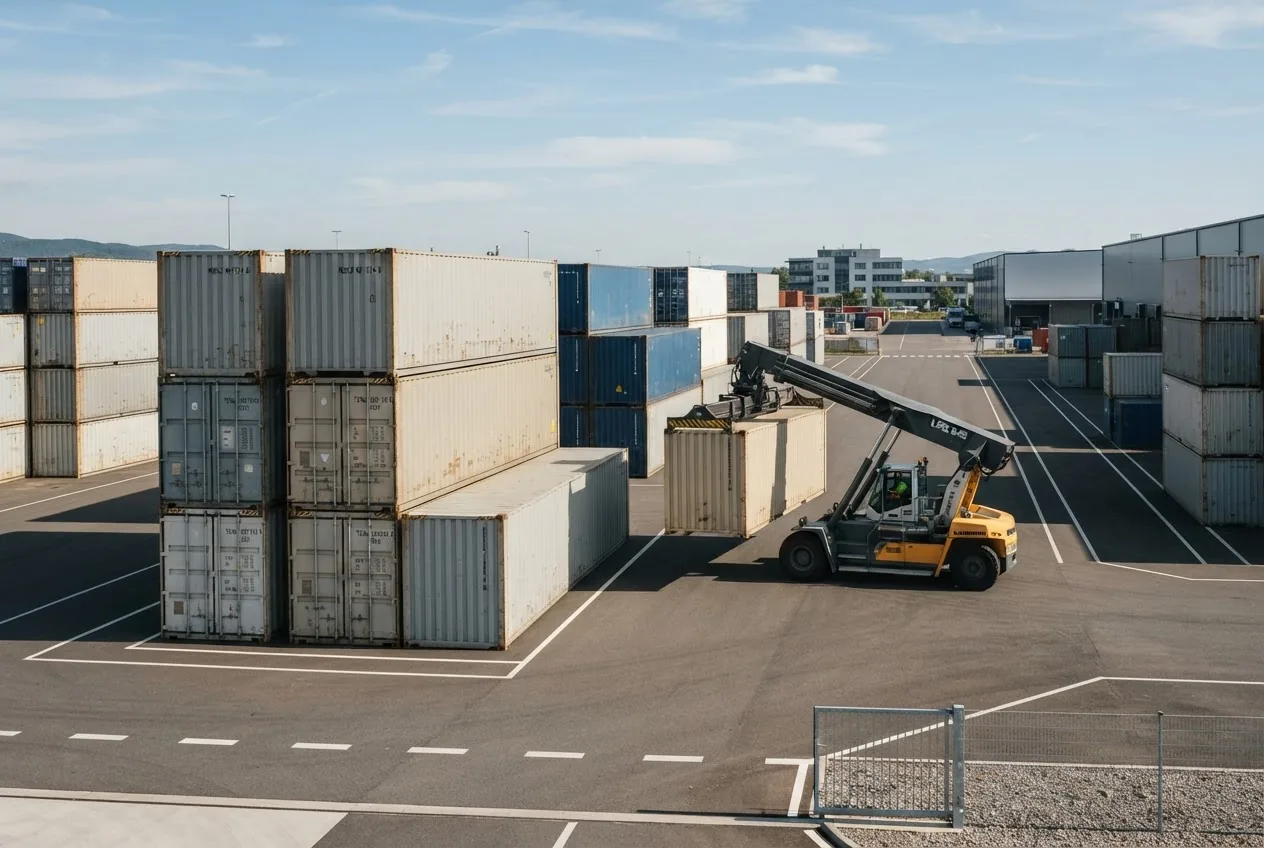
Freight containers for rent are standardized steel cargo units made to move goods internationally and domestically; in rental markets they function both as transport units and as heavy-duty storage. Also called cargo containers or shipping container rental units, they are rented short-term (days to months) or long-term (months to years) depending on needs.
These units are built to ISO standards for external dimensions and corner fittings so they can be stacked and transported on trucks, trains, and ships. When a company offers container leasing and container hire, they typically provide delivery, placement, and pick-up services, plus optional on-site modifications such as doors, vents, or shelving for freight storage units.
Common renter profiles: construction firms needing temporary on-site storage; retailers holding overflow inventory; event coordinators using containers as secure backstage storage; and exporters/importers who prefer renting equipment instead of buying. Renting is favored when cash flow or storage duration is uncertain, when you need temporary shipping capability, or when you want a newer or specifically equipped container without a capital purchase.
How rental differs from buying: rentals shift maintenance and often compliance responsibility to the provider, but add recurring cost lines (daily/monthly rates, delivery/pick-up fees, deposits). You’ll trade ownership flexibility for lower upfront capital outlay and simpler decommissioning when your need ends.
Key terms defined:
- Deposit — refundable security held against damage or non‑return.
- Bill of lading — shipping document; only relevant when the container is used for transit.
- TEU — twenty-foot equivalent unit, used in freight industry sizing.
Quick case orientation: when you need a lockable, weatherproof unit capable of being driven onto a jobsite or loaded onto a truck, a rented freight container is the right category. If you need frequent local moves or curbside residential pickups (e.g., moving boxes to/from driveways), portable storage alternatives may be cheaper — we address that comparison later.
-
Compare sizes and types before you commit
Types and Sizes of Freight Containers Available for Rent
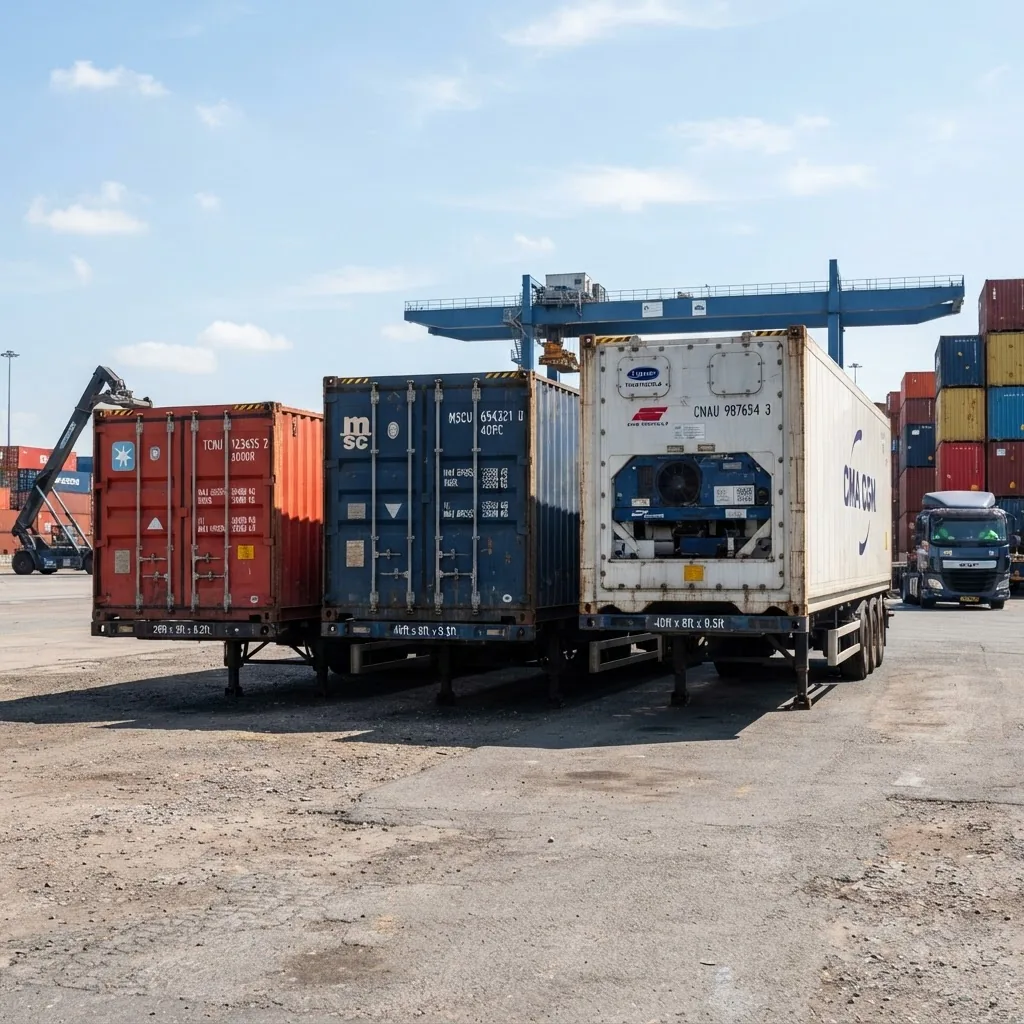
Most rental fleets focus on the standardized, most commonly requested units below. Choose a size and type based on volume, access needs, and whether you need climate control.
Type Common external dims (L×W×H) Typical cargo/usage Condition notes 20-foot standard 20′ × 8′ × 8’6″ (approx. 6.06m × 2.44m × 2.59m) Jobsite storage, small shipments, residential storage Widely available; easier placement on sites 40-foot standard 40′ × 8′ × 8’6″ (approx. 12.19m × 2.44m × 2.59m) Large-volume storage, commercial moves, long-term on-site use Better per-cubic-foot cost; needs larger delivery footprint High-cube (20′ or 40′) Same L×W, height 9’6″ (approx. +1 ft) Taller items, pallet stacking Slightly higher cost; watch weight distribution Refrigerated (reefer) 20′ / 40′ variants; requires power Perishables, temperature-sensitive goods Higher rental and power cost; regular maintenance required Used / wind-and-water-tight (WWT) Various Budget storage where cosmetic condition is non-critical Lower cost but inspect rust, floor and door seals New / one-trip Various Long-term rentals, events where appearance matters Higher cost; best condition and warranty options How to pick by size: a 20-foot container typically holds about 1,170 cubic feet (33.1 m³) and is suitable for a 2–3 room household or most jobsite tools. A 40-foot container roughly doubles that and is efficient if you need continuous, consolidated storage for commercial inventory.
Used vs new freight containers for rent: used units (often called “wind-and-water-tight” or WWT) commonly save 20%–40% on rental cost but may have cosmetic damage, previous load residue, or worn floorboards. New or “one-trip” containers cost more but reduce inspection time and damage disputes.
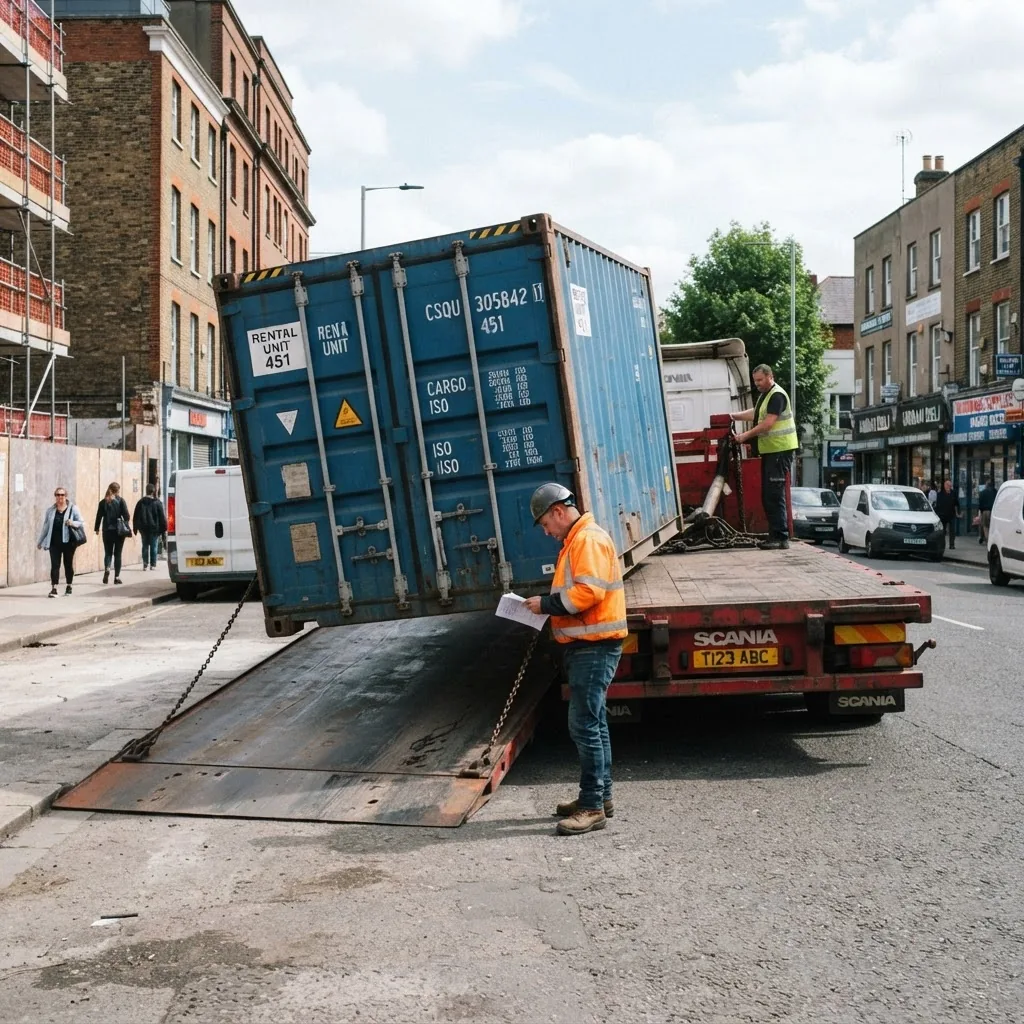
Practical tip: measure the narrowest access point (gate/driveway) and the delivery area height clearance (include overhead lines) before booking. Delivery teams expect a minimum clear approach width of 10′ (3 m) for most forklifts and tiltbed placements for a 20′ unit; 40′ needs up to 16′ (5 m) turning and staging space.
-
Break down all costs line-by-line
Cost Breakdown for Freight Container Rentals
For a broader overview of container rental costs and portable storage options, see our comprehensive ship container rent options and portable storage costs guide.
This section lists the cost components you’ll see on quotes and invoices. Numbers below use industry average ranges (U.S., 2023–2024). According to a 2024 industry report, average monthly rental rates have stabilized after pandemic volatility, but regional variance remains significant.
-
Base rental rate (daily/weekly/monthly)
Definition: the recurring charge for possession of the container. Typical ranges:
- 20-foot: $75–$250 per month (daily rates often $4–$12/day)
- 40-foot: $100–$350 per month (daily rates often $6–$15/day)
Notes: Long-term leases (6–12+ months) often drop the monthly rate 10%–30%. Short-term daily rentals commonly include a minimum billing period (e.g., first 7–14 days).
-
Delivery and pick-up (drayage) fees
Definition: transport from depot to site and back. Expect:
- Local delivery (within 25–50 miles): $150–$500 round trip for 20′ units
- Longer or restricted access deliveries: $500–$2,000 depending on equipment needed
Factors that increase fees: stairs, narrow lanes, need for cranes or extended flatbeds, and permits for oversized loads.
-
Setup and placement
Definition: additional labor/equipment to position the container (e.g., forklift, crane). Typical one-time charges: $75–$600 depending on complexity. If the rental company must use a crane due to site constraints, add $500–$2,000.
-
Deposit and holding fees
Definition: refundable security. Typical amounts:
- Standard deposit: $100–$1,000 (often one month’s rent for commercial customers)
- Higher deposits: $1,000–$5,000 for long-distance drayage or high-value units
Deposits are usually refundable after inspection and any damage deductions. Ask the company for the deposit return timeframe (commonly 14–30 days).
-
Damage, cleaning, and repair charges
Definition: fees for restoring the container if returned in poor condition. Examples:
- Minor repairs (door seals, small dents): $50–$300
- Floor replacement or major rust treatment: $300–$2,500+
- Biohazard or hazardous-material cleaning: variable, often $500–$5,000
Common contract fine print may hold renters strictly liable for interior contamination — check exclusion clauses.
-
Insurance costs
Definition: coverage options for theft, damage, or liability. Options commonly offered:
- Basic loss/damage waiver from the provider: $10–$40/month
- Renter-purchased insurance (equipment floater): premiums vary—typically 0.5%–2% of declared value per year
Insurance trade-off: provider waivers often exclude negligence; a renter policy usually covers broader risk. We’ll unpack insurance details in the rental requirements section.
-
Permit and escort fees
Definition: required when moving/placing containers on public streets or oversized loads. Expect $50–$500 per permit and $50–$150/hour for escorts, depending on municipality.
-
Taxes and environmental fees
Definition: sales tax, municipal levies, or depot environmental surcharges. Rates vary; ask for a line-item breakdown on quotes.
-
Fuel/seasonal surcharges and cancellation penalties
Definition: surcharges added dynamically and penalties for early termination. Cancellation can be a flat fee (e.g., $75–$500) or a percentage of remaining rent; watch your contract.
Hidden charges to watch for: weekend delivery premiums, re-dispatch fees if site inaccessible, and administrative processing fees (commonly $15–$75). Ask for a sample final invoice before signing.
Pricing example case study (practitioner anecdote): A mid-sized contractor I worked with rented a 20′ WWT container for a 3-month job. Quote breakdown: monthly rent $150 × 3 = $450; delivery/pick-up flat fee $275; deposit $300; insurance waiver $25/month ×3 = $75. Total due at start: $1,100. After a final inspection with no damage, deposit returned in 21 days. This reflects a common short-term rental cashflow: initial outlay equals roughly 2–3 months of rent plus delivery and deposit.
Payment scheduling: many companies require payment on delivery for short rentals and may bill monthly for longer leases. Ask whether automated payment or ACH is required, and whether late fees apply (commonly 1.5%–5% monthly on overdue balances).
-
Base rental rate (daily/weekly/monthly)
-
Meet documentation and compliance obligations
Rental Requirements and Eligibility Criteria
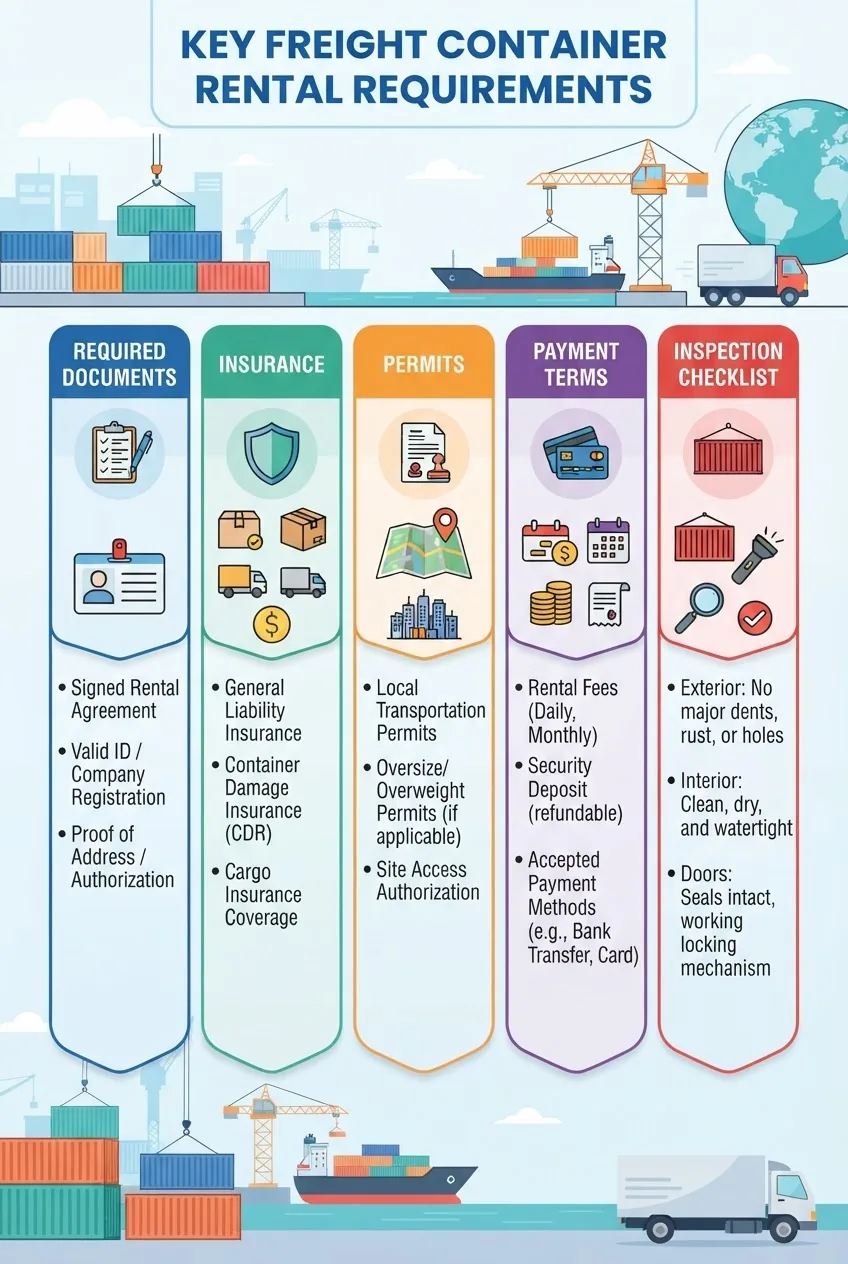
This section walks you through the application process, required documents, insurance options, permitting, and inspection expectations. We’ll also cite authoritative sources for safety and consumer protections.
Step-by-step application walkthrough
- Gather ID and proof of address. Acceptable: government photo ID and a recent utility bill or bank statement.
- Decide who signs the contract. The signatory must be authorized to accept liability—use business letterhead for companies.
- Provide credit or payment authorization. Some vendors accept credit cards; others require a credit application or deposit for commercial accounts.
- State intended use. Declare whether the container will stay on private property, be used for shipping, or contain regulated materials—this affects insurance and permit requirements.
- Schedule delivery and confirm site access details. Provide photographs and measurements to the carrier to avoid re-dispatch fees.
Checklist: Documents and checks
- Photo ID (driver’s license, passport)
- Proof of address (within 30–60 days)
- Payment method (card on file/ACH) and credit references for business accounts
- Signed rental agreement and acknowledgement of inspection protocol
- Proof of insurance if you decline provider waiver
Insurance and liability
Insurance options vary: the provider’s loss/damage waiver reduces renter liability for normal wear; a renter-carried equipment floater or commercial property policy provides broader protection. According to a 2023 industry report, roughly 60% of short-term renters accept provider waivers, while long-term commercial lessees secure separate policies.
Practical insurance advice: declare the container’s replacement value (common threshold: $3,000–$10,000 for a 20′ used unit, $6,000–$15,000 for a 40′ used unit, higher for new/reefer units) when buying renter coverage. Check whether the policy covers theft from an unlocked container and whether it excludes contents made of specific materials.
Permits, road transport and regulatory compliance
If the container must be moved on public roads or placed in the public right-of-way, you may need local permits or oversize-load permits. For U.S. federal and road safety standards consult the U.S. Department of Transportation:
U.S. Department of Transportation
For industry guidance on cargo handling and container operations, consult an industry association such as:
Consumer protections and contract scrutiny
Before signing, verify: deposit return windows, dispute resolution process, and default/late-fee schedules. For consumer guidance on contracts and rental agreements, see resources from consumer protection authorities:
Inspection process from a renter’s perspective
Walk the inspector through these steps and photograph each item:
- Exterior shell check: inspect corner posts, wall panels, and roof for major dents or holes; photograph any damage.
- Door and locking mechanism: verify doors open/close freely and locks engage; test the seal.
- Floor condition: check for rot, water stains, or hole damage; note floor type (timber or steel) and measure deck thickness if needed.
- Interior cleanliness: photograph and report any prior load residues or odors; hazardous residue should be red-flagged immediately.
Common pitfalls during application:
- Underestimating site access complexity — always send photos and dimensions upfront.
- Assuming deposit return is immediate — verify the vendor’s stated timeframe.
- Declining insurance without comparing coverage details — provider waivers can include exclusions that leave you exposed.
Walkthrough anecdote: When assisting a small business in a suburban site, we photographed the driveway and two possible staging areas, then confirmed the provider could use a tilt-bed delivery. Because we documented measurements and delivered permits in advance, the company avoided a $450 crane fee that would have been charged for last-minute access problems.
-
Select the right unit by matching use to features
How to Choose the Right Freight Container for Your Needs
This step-by-step selection guide helps you decide between new vs used, size, security options, and lease length based on realistic usage scenarios.
- Define your primary use and duration. Short-term storage (days–weeks) favors daily/weekly rentals; multi-month needs often justify long-term contracts with lower monthly rates. Threshold: if you expect >4 months continuous use, request long-term pricing.
- Pick size by volume and access needs. Rule of thumb: each standard pallet requires ~13–15 cu ft; calculate pallet loads × pallet volume. If you need more than 15–20 standard pallets, a 40′ is usually more efficient.
- Decide on new vs used rental. Choose used (WWT) when cost is primary and minor cosmetic issues are acceptable; choose new for retail-facing projects or when warranty and appearance matter. Expect new units to cost ~20%–50% more monthly.
- Specify security features. For valuables choose a container with a lockbox (external padlock protection), heavy-duty hasp, and tamper seals. Ask providers about tamper-evident seals and recommended padlock grade (hardened steel, disc locks).
- Consider access and interior fit-outs. If you need people to enter often, ask for full-size doors or personnel doors; for palletized goods, consider wooden flooring condition and whether forklifts will enter.
- Evaluate delivery constraints and site prep. Confirm flat, level ground and a 12″–18″ clearance around the unit for ventilation and inspection; uneven ground may require cribbing (timber blocks) or concrete pads.
To complement your container rental, consider using container store storage boxes for better organization.
Storage bins on wheels can improve handling inside containers—see our storage bins with wheels buying guide.
If you’re local to Pennsylvania and want complementary retail storage options, check Container Store King of Prussia PA store info.
Inspection and acceptance checklist (practical)
- Measure internal length, width, height and confirm against your cargo or pallet dimensions.
- Test doors twice (open/close), check latch engagement and padlock compatibility.
- Document floor condition with photos; reject containers with >1 in (25 mm) of rot or large holes.
- For reefers, verify power hook-up specs and current runtime diagnostics from provider.
Case study: A retail pop-up needed a pristine 20′ one-trip container for a six-week event. We negotiated a short-term new-unit rate that included cosmetic guarantees and a reduced deposit. The provider scheduled a pre-delivery walkthrough and returned the deposit within 14 days after a clean inspection—important when working to an event budget.
-
Compare alternatives to confirm best fit
Shipping Containers for Hire vs Other Container Rental Options
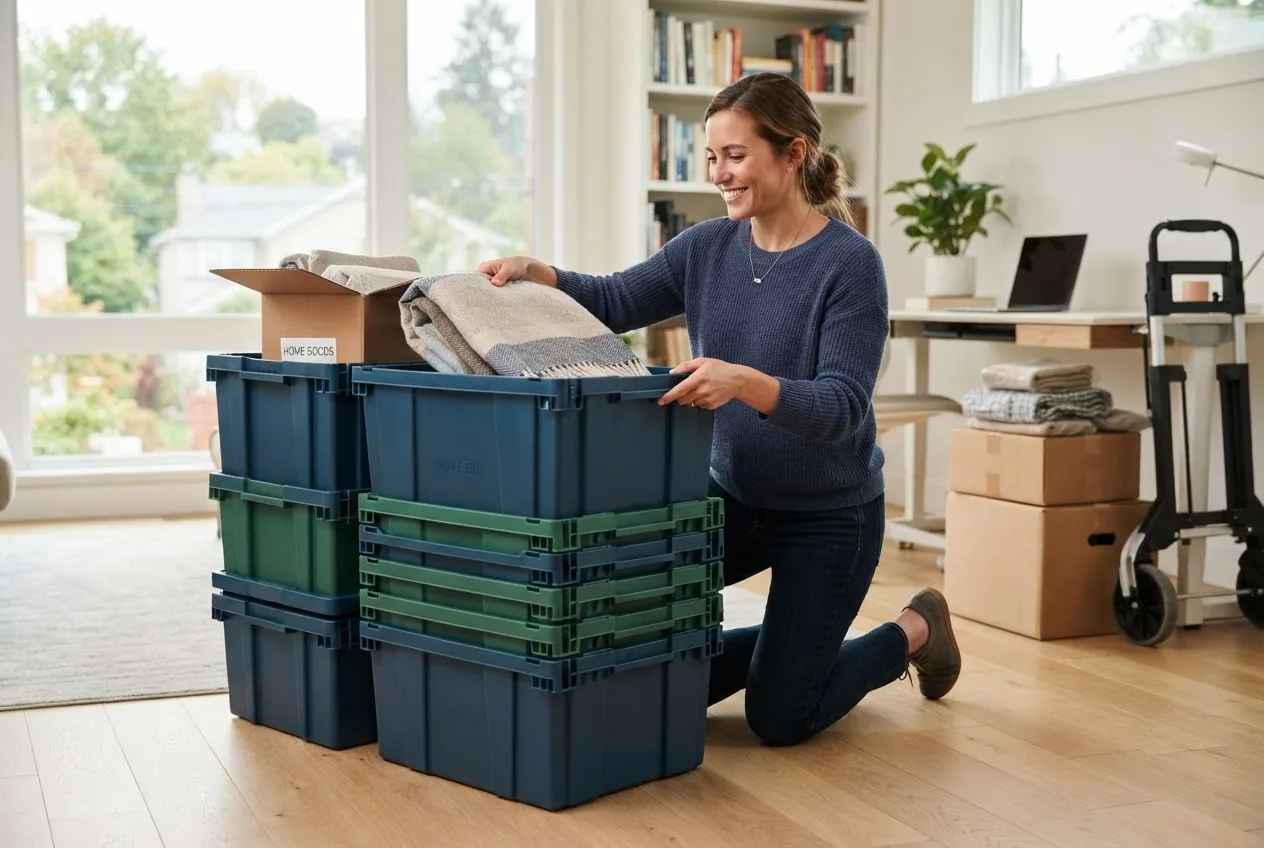
Option Best for Typical cost profile Pros / Cons Freight / shipping containers Heavy-duty, long-term outdoor storage; shipping Moderate monthly rent + delivery fees Very durable; needs space for delivery Portable storage (roll-off pods) Residential moves, curbside access Daily/weekly rates higher per month vs containers Easy access; lower capacity; often lighter construction Moving bins (stackable plastic) Small moves, staged storage, climate-sensitive items Per-bin rental, lower total for small volumes Highly flexible; not for heavy industrial use For smaller storage needs, review our detailed moving bins rental guide to compare convenience and cost.
Cost comparison rules of thumb: if you need less than 500 cu ft of storage for under three months, portable storage or moving bins frequently cost less. For long-term outdoor use where weatherproofing and security are paramount, freight containers are typically more cost-effective and robust.
-
Anticipate problems and adopt preventive measures
Common Challenges and Tips When Renting Freight Containers
Based on practitioner experience, these are the recurring challenges renters face and practical tips to avoid them:
- Delivery delays: Book delivery 7–14 days in advance and confirm 48 hours prior; send photos of staging area to avoid re-dispatch fees.
- Damage liability: Take detailed photos at delivery and on pick-up; request a signed delivery condition report.
- Contract fine print: Watch for auto-renewal clauses and early-termination penalties; set calendar reminders for contract end dates.
- Resizing options: If you suspect your volume may change, negotiate step-up/down terms in writing (e.g., move from 20′ to 40′ mid-lease for a fixed fee).
- Cancellation fees: Get the cancellation policy in writing and clarify whether deposits are refundable after a grace period.
Practical security tips: store valuable contents off the ground on pallet racks, use high-quality disc locks with a lockbox, and consider alarm or GPS solutions if the container is in a remote location. For climate-sensitive cargo, monitor dew points inside containers and add desiccants or ventilation as needed.
Common mistakes and how to avoid them
I once accepted a quoted delivery window without sending site photos; the carrier arrived with a tilt-bed that couldn’t clear a low gate and charged a crane fee — lesson: always confirm access with photos and exact measurements. I also learned to never assume deposit return timing; one vendor held a deposit 45 days when their contract said 14. To avoid these issues, document everything.
Verification checklist
- Received a written quote with line-item delivery, deposit, and insurance fees.
- Sent site photos and received delivery confirmation.
- Inspected and photographed container on delivery; signed a delivery condition report.
- Secured written cancellation and deposit return terms.
- Confirmed permits and power requirements (reefer) are arranged.
When to call in a professional
- Site requires cranes or complex lifting — hire a licensed rigging contractor.
- Transport on public roads across jurisdictions — consult a freight broker or logistics coordinator.
- Hazardous materials storage — engage environmental compliance specialists and insurers.
Conclusion
Renting freight containers is a practical solution when you need secure, weatherproof, and scalable storage or transport capacity. Focus on the full cost picture (base rent, delivery, deposit, insurance, permits), inspect condition on delivery, and read contract terms for cancellation and liability. Use the checklist above, gather photos and measurements before you book, and negotiate long-term pricing if your use exceeds four months. Ready to get a quote? Contact at least three local rental providers, compare full invoices, and pick the option that balances total landed cost and reliability.