

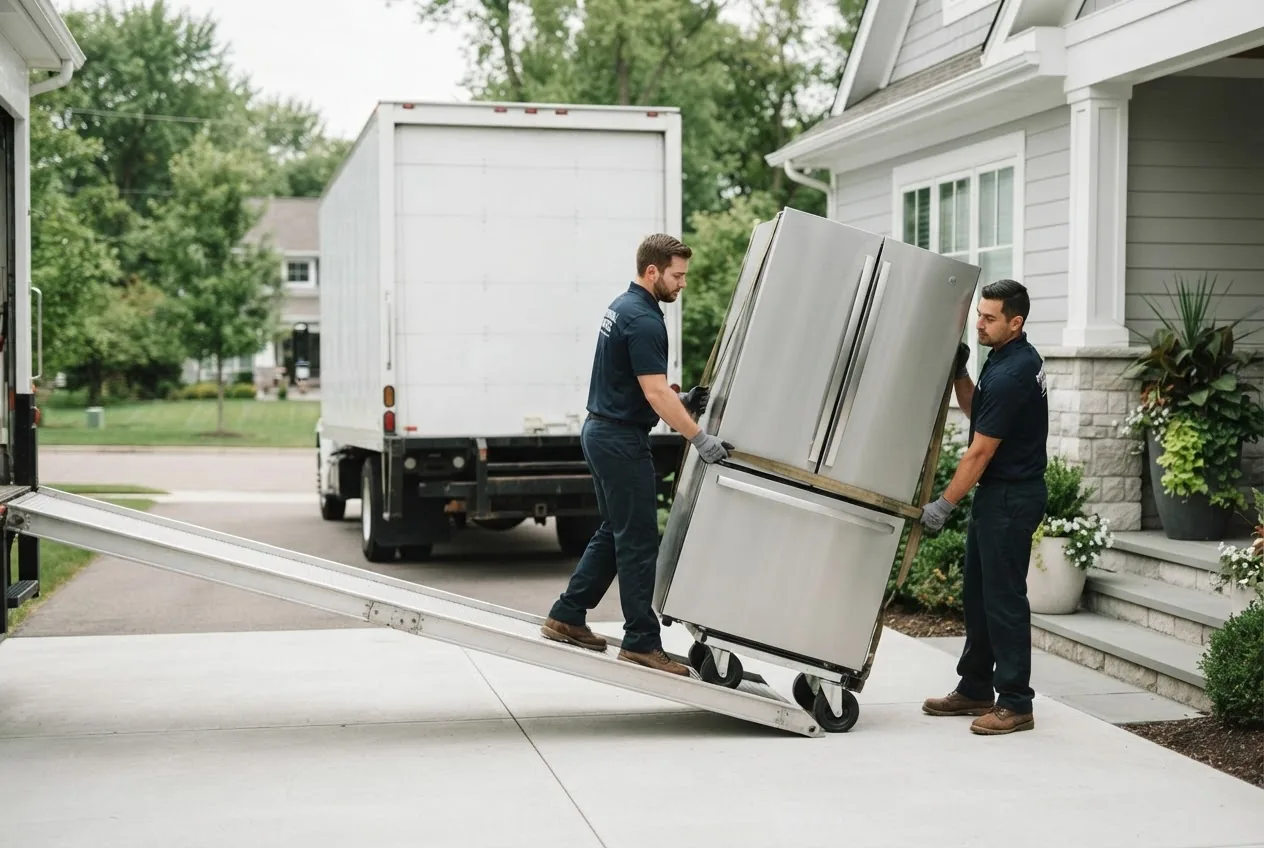
Appliance movers near me are specialized movers who safely handle heavy, fragile kitchen and laundry units using specialized equipment, disassembly/reassembly, and liability coverage; hire them to reduce damage risk and ensure proper installation. This guide explains costs, service scope, preparation steps, and how to choose the right appliance moving company.
Understanding Appliance Movers and Their Services
Answer: Appliance movers are specialist teams that move refrigerators, washers, dryers, ovens and dishwashers using tailored equipment, packing, disassembly, transport and reassembly to protect people and equipment. They focus on weight, fragility and electrical/gas safety that general movers often don’t handle.
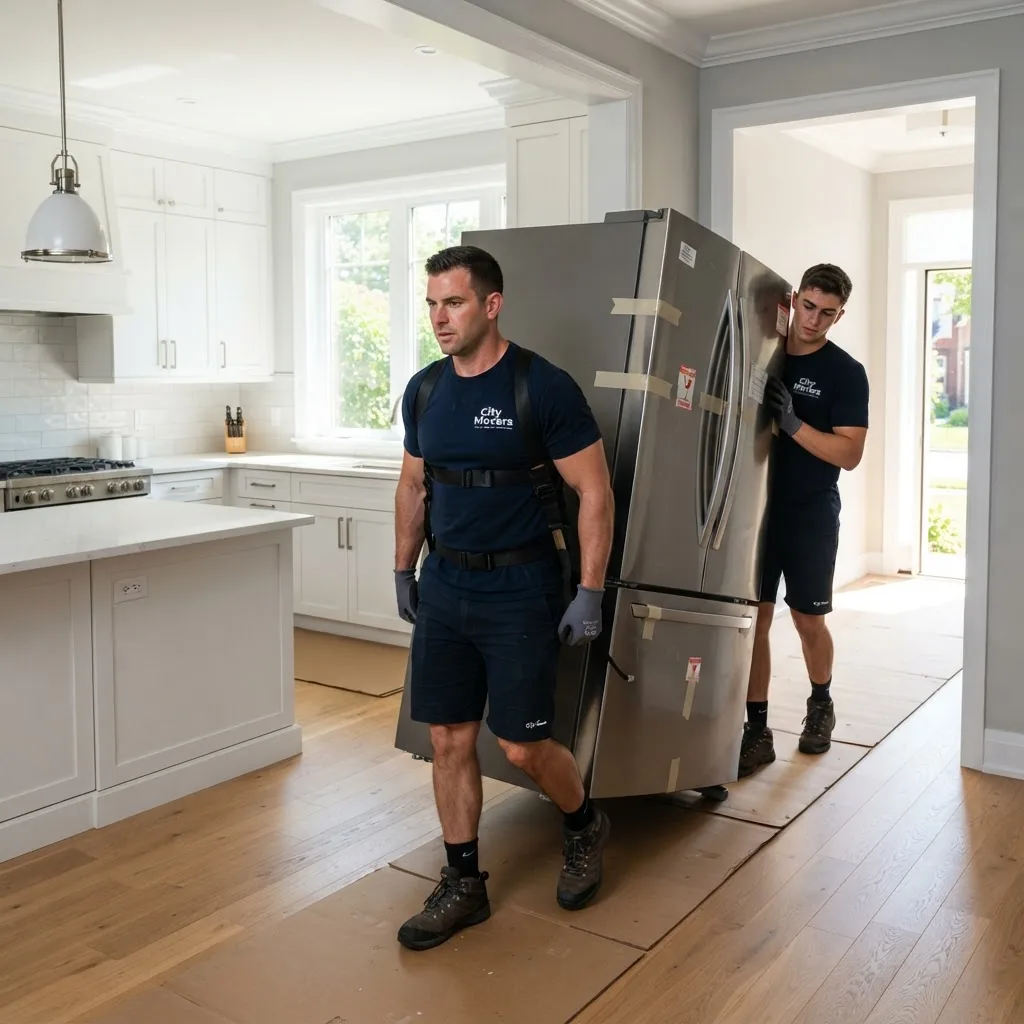
Appliance mover: a trained moving professional or team that specializes in lifting, securing, transporting and reconnecting household appliances safely.
Appliance moving company services vary by operator but generally include on-site assessment, appliance-specific packing (pads, straps), use of appliance dollies and lifts, secure loading in a truck, transport with weight-secured bracing, and reconnection or reinstallation at the destination. Examples:
- Assessment: A technician measures openings and determines whether disassembly is required for doorways or stairwells.
- Packing: Protective padding, skirt removal for stoves, and anti-tilt bracing for refrigerators to protect compressors.
- Specialized moving equipment: Appliance dollies, slider boards, stair-climbing dollies, appliance straps, and hydraulic lifts.
- Transport: Trucks with tie-down points, air-ride suspensions (when available) and cargo protection to minimize shock.
- Reassembly & setup: Safe reconnection of water lines, leveling, anti-tilt brackets for ranges, and verification of operation.
Specialized services often include appliance hoisting for tight exterior access, temperature-controlled transit for appliances sensitive to extreme temperatures, and end-to-end liability coverage options. According to a 2024 industry report, many specialist appliance moves include at least one surcharge for stairs or hoisting—plan accordingly (source type: industry report).
Appliance movers differ from general movers because they combine mechanical handling with trade-level care: they follow manufacturer guidance for disassembly and reconnection and document serial numbers and condition for claims if needed. See manufacturer manuals for model-specific steps when preparing large appliances: Whirlpool product manuals and guides.
What Appliance Movers Do Differently
Answer: Appliance movers apply appliance-specific techniques—disassembly, secure packing, specialized lifting, and safe reconnection—to reduce damage and safety risks that general movers may not fully address.
Disassembly: removing doors, kickplates, shelving or trim to reduce width and avoid damage.
- Detailed pre-move inspection and measurements.
- Securing internal parts (compressor clamps, drum locks) to prevent movement during transit.
- Use of appliance dollies and stair-climbing equipment for safe vertical moves.
- Blocking and bracing inside transport vehicles to prevent shifting.
- Reassembly and testing at delivery, including leak checks and electrical safety verification.
Appliance movers often document the appliance condition, take photos, and provide valuation protection options—terms you should review before booking.
Types of Appliances Commonly Moved
Answer: Movers commonly relocate refrigerators, washers, dryers, ovens, ranges and dishwashers—each requires specific handling due to size, weight, or fragile components.
- Refrigerators: Very heavy; compressors and coolant can be damaged by tilting—may need pro upright transport and extra padding. Door removal often required for narrow hallways.
- Washers: Heavy, with bowls that must be secured; front-loaders often require shipping bolts removed on setup and reinstalled.
- Dryers: Bulky but usually lighter; gas dryers require a certified technician to disconnect and reconnect gas lines safely.
- Ovens and ranges: Fragile glass panels and heavy ceramic cooktops; anti-tilt brackets and secure padding needed; gas lines and electrical connections require care.
- Dishwashers: Plumbing and electrical disconnects; water must be drained and hoses secured to avoid leaks.
Each appliance has unique challenges—weight, delicate components, electrical and gas interfaces—that influence pricing and required certifications.
Cost Breakdown for Appliance Moving Services
Answer: Appliance moving costs range from modest flat fees for a single item to several hundred dollars per appliance when stairs, hoisting, long distance or special equipment are involved; hourly labor rates, flat fees, surcharges and insurance options all factor into final price.
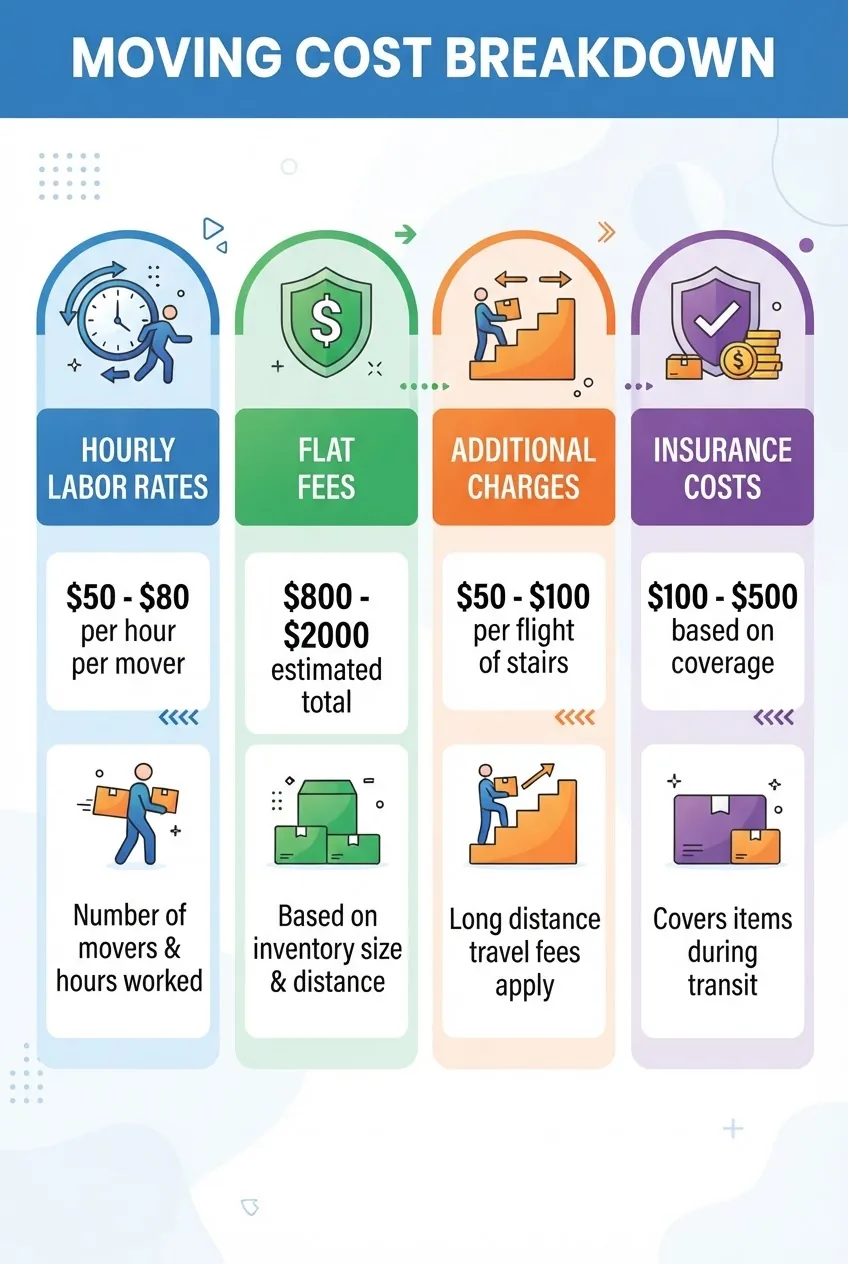
Pricing methodology: Companies price appliance moves using one or more of the following frameworks: flat-rate per appliance, hourly labor plus travel, and itemized surcharges (stairs, hoisting, long carry). Many companies combine approaches—flat fee for basic moves with add-ons for complexity.
| Cost Component | Typical Range | When Applied |
|---|---|---|
| Local flat fee per appliance | $75–$250 | Basic same-location moves with easy access |
| Hourly labor (two movers) | $120–$220/hr | Used for job complexity and multiple appliances |
| Stair surcharge | $25–$150 per stair flight or per appliance | When stairs or tight stairwells increase labor/time |
| Hoist or crane | $150–$700+ | Exterior hoisting for tight access or high floors |
| Long-distance transport | Prorated truck mileage or per-mile fees | Interstate moves or moves >75 miles |
| Insurance / valuation protection | $0–$300+ depending on coverage | Optional declared value or third-party insurance |
Pricing examples to set expectations: a simple refrigerator move on the same property with a two-person crew typically costs $100–$200; a refrigerator requiring hoisting or stair carry can cost $300–$800. According to a 2024 industry report, the median single-appliance local move cost was approximately $180 (source type: industry report)
Flat fees vs hourly: Flat fees simplify comparison but may exclude surcharges; hourly rates cover unpredictable time but can spike if complications arise. Always ask for an itemized estimate.
Common additional charges include:
- Long-carry fees (distance from door to truck)
- Stair charges (per flight or per item)
- Hoisting/crane rental and operator fees
- Special packaging or crating for antique appliances
- Disconnection/reconnection by licensed technicians (gas/electrical/plumbing)
For company-specific pricing patterns, compare industry examples: ABF moving company costs and service guide, APT moving company costs and service details guide, and best moving companies guide and cost options.
Factors Affecting Appliance Moving Costs
Answer: Costs change based on distance, appliance size and weight, stairs or elevator access, packing services, timing and insurance; each factor adds labor time or special equipment costs.
- Distance: Local moves often use flat fees; long-distance moves are priced per mile or prorated into a full-service quote.
- Appliance size & weight: Large-capacity refrigerators and commercial-grade ranges require more labor and possibly more movers.
- Stairs or elevators: Stairs increase labor and injury risk; elevators may still require padding and protection.
- Packing and preparation: Draining fluids, securing parts, and protective wrapping add time and material costs.
- Timing: Weekend or short-notice bookings commonly carry higher rates.
- Access and permits: Hoisting often requires permits, crane rental and street closure fees in some cities.
Tip: Get written estimates that list surcharges so you can compare quotes accurately and avoid surprises. Regional cost variability is common—disclaimers about local rates apply.
Comparing DIY Appliance Moving Costs vs Professional Services
Answer: DIY appliance moving can cost less upfront but increases risk of damage, injury and long-term repair costs; professional services charge more for labor and equipment but lower the chance of costly mistakes and liability.
| Feature | DIY Costs | Professional Movers |
|---|---|---|
| Equipment | Dolly rental $20–$60/day; moving blankets $10–$30 | Included or $25–$100 equipment fee |
| Labor | Free if friends help; risk of injury | $120–$220/hr for two movers |
| Risk of damage | High; repair/replacement costs likely | Lower with insurance; documented claims process |
| Permits & hoisting | DIY may not handle legally | Contractors arrange permits and certified operators |
| Overall cost example (single fridge) | $40–$150 (rental + supplies + labor favors) | $100–$400 (includes risk mitigation and insurance) |
For DIYers who need equipment rentals, compare local rental costs and requirements: cargo trailer rental guide costs and requirements. If budget is primary, review this resource for low-cost mover strategies: affordable movers guide and cost requirements.
How to Find and Hire Reliable Appliance Movers Near Me
Answer: Search locally, verify licenses/insurance, read recent reviews, request itemized written quotes, confirm disassembly/reassembly and get clear valuation protection before booking; compare at least three quotes and check references.
- Search locally: Use “appliance movers near me” and location-specific searches to find specialists with local experience and equipment suited to your building type.
- Check credentials: Verify business license, local permits, and worker liability insurance (ask for certificates).
- Read reviews: Focus on appliance-specific reviews and pictures in the last 12 months; ask for references for similar moves.
- Request on-site estimate: For accurate pricing, insist on an in-person or video assessment; obtain itemized written quotes detailing surcharges and insurance options.
- Confirm services: Ensure the quote includes disassembly, packing, transport, reassembly, testing, and cleanup—clarify exclusions such as manufacturer warranty work.
- Compare valuation options: Ask about released-value protection, full-value protection and third-party insurance with claim examples and timelines.
- Book early: Reserve at least 2–4 weeks ahead for peak seasons; for hoisting or crane work allow more lead time for permits.
- Get it in writing: A clear contract should list scope, price, estimated time, damage policy, and cancellation terms.
For broader company selection guidance and cost comparisons, review the pillar resource: moving companies near me service costs and hiring guide.
Qualities to Look for in a Professional Appliance Moving Company
Answer: Choose companies with documented appliance experience, proper insurance, positive recent customer feedback, responsive communication, and the right equipment for the job.
- Experience: Years of appliance-specific moves and staff trained on lifts, dollies and appliance wiring/plumbing basics.
- Insurance coverage: General liability and cargo insurance; options for declared value or third-party policies.
- Customer feedback: Verified reviews that mention appliance safety, punctuality and damage handling.
- Responsiveness: Clear, timely communication and an assigned point of contact for the move.
- Equipment: Evidence of dollies, straps, hoisting access and vehicle tie-downs appropriate for appliances.
Look for certifications or memberships in industry groups as an authority signal; for safety and regulatory guidance, consult the Federal Motor Carrier Safety Administration: FMCSA regulations and resources.
Preparing Your Appliances for a Move
Answer: Clean, disconnect and drain appliances, secure moving bolts or internal components, remove doors or loose parts, and label plumbing/electrical lines; follow manufacturer guidelines for model-specific steps.
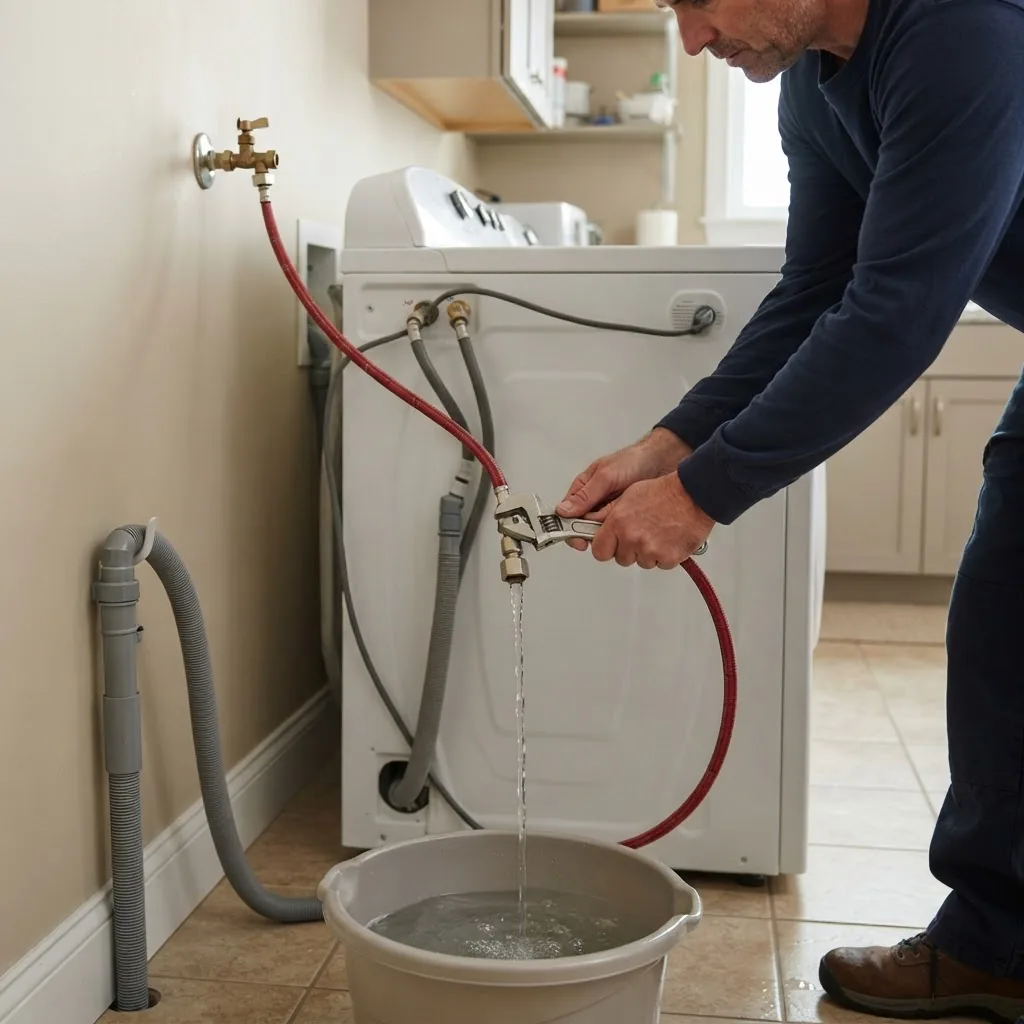
Disassembly: removing removable components (doors, shelves, trim) to reduce size and prevent breakage during transit.
- Read the manual: Manufacturer guidance often includes model-specific steps for safe transport—retrieve the manual online or consult the manufacturer site: manufacturer manuals.
- Empty contents: Remove food, detergent, lint and loose items; clean the interior to prevent odors or leaks.
- Drain fluids: Drain water lines and compressors as recommended; leave appliances open to dry when possible.
- Secure internal parts: Use shipping bolts for washers, and brace fridge doors with straps; pack small parts in labeled bags.
- Disconnect utilities: Gas appliances require licensed disconnection/reconnection; for electrical and water lines, follow safety steps or hire technicians.
- Protect surfaces: Wrap with moving blankets and use corner protectors; pad marble or glass surfaces separately.
- Label everything: Note which connections correspond to which appliance and photograph hookups for reference at reassembly.
For packing materials and supplies, compare sources before buying: best place to buy moving boxes cost and supply guide. Follow appliance manufacturer instructions for transport positions (e.g., refrigerators generally upright) to avoid compressor damage.
Common Challenges When Moving Appliances and How Movers Overcome Them
Answer: Movers overcome weight, tight spaces, fragile components and safety hazards using planning, mechanical aids, disassembly, hoisting and experienced crews to minimize risk and protect property.
Example challenge and solution pairs:
- Weight & balance: Challenge: refrigerators and ranges are top-heavy. Solution: teams use two- or three-person lifts, appliance straps, and dollies rated for the weight.
- Tight stairwells: Challenge: narrow turns can block an appliance. Solution: partial disassembly (door removal), angled maneuvers, and protective padding reduce damage.
- Fragile components: Challenge: glass-top stoves and control panels. Solution: custom crating or extra internal bracing and double-layer padding.
- Electrical/gas connections: Challenge: unsafe reconnections. Solution: coordinate with licensed electricians or plumbers for disconnection/reconnection and certification.
- Exterior hoisting: Challenge: inability to move through interior. Solution: use cranes/hoists with certified operators and permits; schedule municipal approvals when required.
For apartment-specific moves with elevators, loading docks or strict building rules, review operator experience and ask for past building references—see apartment movers service guide and moving cost insights for apartment scenarios and mitigation strategies.
Insurance and Liability for Appliance Moving
Answer: Movers may offer released-value protection, full-value protection or you can purchase third-party insurance; verify coverage limits, exclusions for appliances, and the claims process before signing.
Valuation protection: terminology for how movers value items for claims—options typically include released-value (low coverage) and full-value protection (higher payout).
- Released-value protection: Low-cost option with limited per-pound payouts; often insufficient for appliances.
- Full-value protection: Company assumes more responsibility and offers repair, replacement or cash settlement up to declared value.
- Third-party insurance: An independent insurer can provide broader or higher-value protection; check policy exclusions and deductible.
- Claims process: Document condition with photos, keep receipts and file claims promptly per the mover’s timeline.
Reference consumer protection guidance for claims and dispute procedures: Federal Trade Commission consumer resources. For company-specific insurance practices, see an example overview: Allied movers near me insurance and service overview.
Trust signals to request from movers:
- Certificate of insurance with policy numbers and coverage dates
- Clear written valuation options and sample claim timelines
- Examples of prior approved claims or customer case studies (ask for references)
Note: Most basic carrier protections exclude “acts of God” and pre-existing damage; always photograph appliances before pickup to support any claims.
Timeline and Scheduling for Appliance Moves
Answer: Book appliance movers at least 2–4 weeks ahead for standard moves and 4–8+ weeks for hoisting or specialty services; expect a local appliance move to take 1–4 hours depending on complexity.
Scheduling considerations:
- Peak seasons: Summer months and month-end dates are busiest; early booking reduces premium charges.
- Lead times: Hoists, permits and licensed tradespeople require longer lead times—plan for several weeks.
- On-site time: Single-appliance local moves average 1–2 hours; multiple appliances or hoisting can extend to half a day or longer.
- Coordination: Align appliance moving with utility disconnection, contractor access and delivery windows to avoid repeat visits.
Tip: Ask movers for an arrival window and communicate any building access requirements (loading dock schedules, elevator reservations) to avoid delays and extra charges.
Frequently Asked Questions about Appliance Movers Near Me
Answer: Below are concise, direct answers to common appliance mover questions covering cost estimates, scope, safety, preparation and scheduling.