
waste removal bags will help you clear household junk, yard debris, or light construction waste fast — by the end of this hands-on guide you’ll know which bags to buy or rent, how to load them safely, schedule pickup, and avoid extra fees. Expect to complete a standard residential cleanup in 2–6 hours depending on volume; skill level required: basic DIY and safe lifting awareness.
Before you start
- Tools and materials: heavy-duty gloves, pry bar (for bulky items), shovel or rake (for yard waste), measuring tape, scale or reliable estimate of weight.
- Information to gather: driveway/curb access dimensions (width clearance 8–10 ft preferred), estimated cubic feet of debris, list of prohibited items from local rules.
- Documents: rental contract draft or service terms, photo of planned bag placement (for scheduling and compliance).
- Safety: at least one able-bodied helper for heavy loads; follow basic manual handling guidelines from OSHA.
Follow these numbered steps as the core process — each step starts with an action-first summary in bold, then practical, measurable instructions you can follow immediately.
-
Identify your waste types and volume.
Walk each area you plan to clear and categorize waste into three buckets: yard debris (branches, leaves), household junk (furniture, mattresses, boxed items), and light construction debris (drywall, trim, tile). Measure volume by stacking items in piles and estimating cubic feet — one large standard dumpster bag typically holds 3–6 cubic yards (approx. 81–162 cubic feet). For accuracy weigh a smaller sample bag on a bathroom or yard scale and extrapolate.
-
Choose the right bag material and size.
Match capacity to the volume identified. Common options:
- Heavy duty woven polypropylene bags — high tensile strength for construction debris and mixed loads.
- Reinforced polyethylene or contractor bags — best for household junk and light demolition.
- Biodegradable yard-waste bags — compost-friendly but lower puncture resistance; use only for green waste.
Pick the bag rated for the expected weight — many providers list a weight capacity (e.g., 500–1,200 lbs). If unsure, select a higher-rated bag and plan more bags rather than overloading.
-
Compare rental options and fees.
Request quotes that list rental fee, included weight limit, overage charges per 100 lbs, rental duration, and deposit. Insist on written terms that show pickup windows and unacceptable items (e.g., hazardous waste, tires, asbestos). Use the cost comparison table later in this guide to benchmark offers.
-
Reserve delivery and pickup timeslots.
Schedule a delivery window that gives you 24–72 hours to load, with pickup only after you confirm the bags are ready. Photograph bag placement and bag labeling (if required) for the rental company before pickup to reduce disputes.
-
Load bags following weight and sequence rules.
Start with dense items near the bottom and lighter, bulkier items on top. Keep sharp objects wrapped and placed centrally to avoid punctures. Do not exceed published weight limits — common residential bag limits range from 500–1,000 lbs; when in doubt, distribute material across more bags.
-
Prepare bags for pickup and inspection.
Align bags at the agreed location with 3–4 ft clearance around each bag, remove loose debris from surrounding area and secure lids or tied tops. Be ready to show ID and rental contract at pickup if required by the provider.
-
Document completion and dispute handling.
After pickup, obtain a receipt and final weight or charge summary. If you suspect overcharging or damage claims, compare photos taken before pickup with the company’s evidence and follow the dispute resolution clause in the rental terms.
Waste Removal Bags: Types and Properties
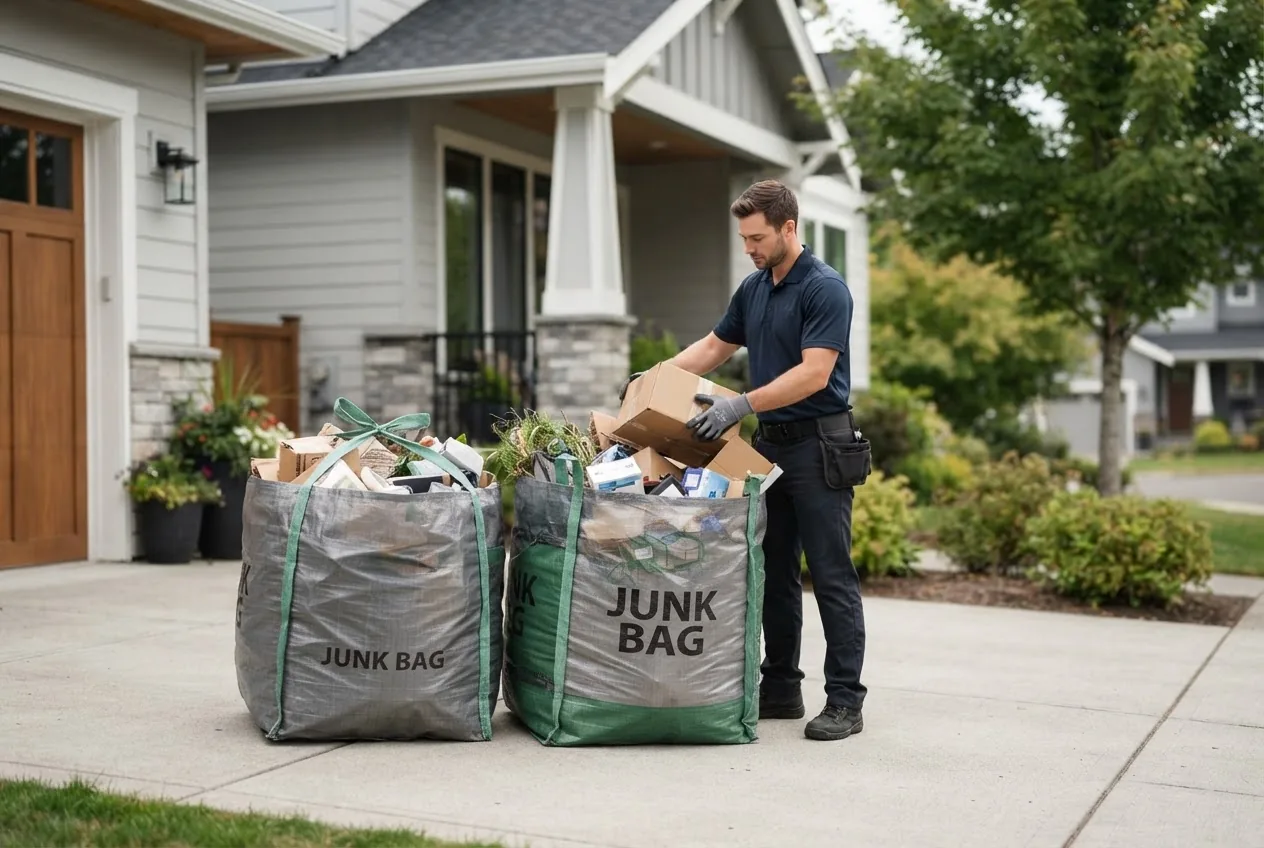
Start by understanding material strength, sizes and capacity so you pick the best container for the job. A waste removal bag is a large, usually single-use or reusable container designed to hold & transport loads that are impractical to carry in standard trash cans. Types vary by material, construction, and rated capacity.
- Heavy-duty woven polypropylene: tear-resistant weave, reinforced lifting straps, capacities from 1,000–3,000 lbs for commercial-grade bags; ideal for mixed construction debris. Technical note: tensile strength typically 3–6 kN in manufacturer specs.
- Reinforced polyethylene (pe): puncture-resistant film, common for household junk and drywall; sizes commonly 3–6 cubic yards.
- Biodegradable paper or compostable yard-waste bags: designed for green waste composting; lower puncture resistance and not suitable for wet, heavy debris.
- Mesh or breathable bags: Used for leaves and small yard waste to allow moisture evaporation during storage.
Sizing and capacity: bag sizes are usually expressed in cubic yards (1 cubic yard ≈ 27 cubic feet). Common residential options: 1.5 yd (≈40 cu ft), 3 yd (≈81 cu ft), 6 yd (≈162 cu ft). Material strength and strap design determine safe lift weight; look for manufacturer-rated safe lift values. For comparison, a typical full bag of mixed household junk weighs 250–700 lbs depending on material density — plan conservatively.
Transition: now that you can identify bag types and sizes, the next section walks through how dumpster bag rental services operate day-to-day.
How Dumpster Bag Rental Services Work
A typical dumpster bag rental service provides large bags delivered to your site, a scheduled pickup, and transport to disposal or recycling facilities. Below is a step-by-step walkthrough of the rental process and user interactions with providers.
- Request a quote: Provide location, estimated cubic yards, and waste types. Expect initial quotes to vary; ask for line-item pricing (rental fee, included weight, overage rate per 100 lbs, disposal fees, and deposit). According to a 2024 industry report, transparent itemized quotes reduce billing disputes by over 30% in residential rentals.
- Confirm terms and schedule delivery: Confirm pickup window (24–72 hours is common) and any bylaws for curb placement. Most companies will require agreement to terms specifying prohibited items and liability for overweight bags.
- Delivery and placement: The driver places bags at the agreed location and documents placement. If access issues arise (low-hanging wires, narrow driveways), expect an alternate placement plan or additional fees.
- Loading period: You typically have the reserved rental duration (often 48–72 hours) to load. Extensions may be available for a daily fee.
- Pickup scheduling and inspection: At pickup the driver may inspect bags for prohibited items and obvious overfilling. If bags exceed weight limits, the company may charge overage fees or refuse pickup until materials are redistributed.
- Transport and disposal or recycling: Bags are taken to transfer stations, recycling centers, or landfills depending on contents and local regulations.
- Billing and receipts: Final billing will include the base rental plus any weight overages and disposal surcharges. Keep photos and the contract to contest discrepancies.
Real-life scenario: A homeowner clearing an attic booked three 3-yd woven polypropylene bags, scheduled a 72-hour window, and avoided a last-minute skip because they documented bag placement and emailed the rental company photos — the pickup went smoothly and final billing matched the initial quote.
Transition: now see the direct benefits of choosing bags vs a traditional roll-off dumpster.
Advantages of Using Waste Removal Bags and Dumpster Bags
- Convenience: Drop-and-go delivery with no permit requirement for most residential driveways; schedule delivery and pickup windows in as little as 24 hours. For broader service options, check our junk removal services guide and residential pickup options.
- Cost-effectiveness: Lower base fees for short-term, small-volume projects compared to renting a full roll-off dumpster; avoid delivery and hauling fees associated with large dumpsters. See the cost comparisons below for specifics.
- Space saving: Bags store neatly on driveways or curbs and require less space than a 10–20 yd roll-off dumpster.
- Flexibility: Order multiple bag sizes, get staggered pickups, or combine bag service with scheduled donation pickups for reusable items.
- Ease of use: Lightweight lifting straps and sealed tops reduce scattering and require less heavy machinery to move — suitable for small contractors, landscapers, and homeowners.
Seasonal planning note: If you’re organizing a neighborhood cleanup, pairing bag rentals with municipal events works well — see our city clean up guide and local spring cleanup options for planning tips.
Transition: the next section breaks down typical pricing and the primary cost factors you will encounter.
Cost Breakdown and Pricing Factors of Dumpster Bag Rentals
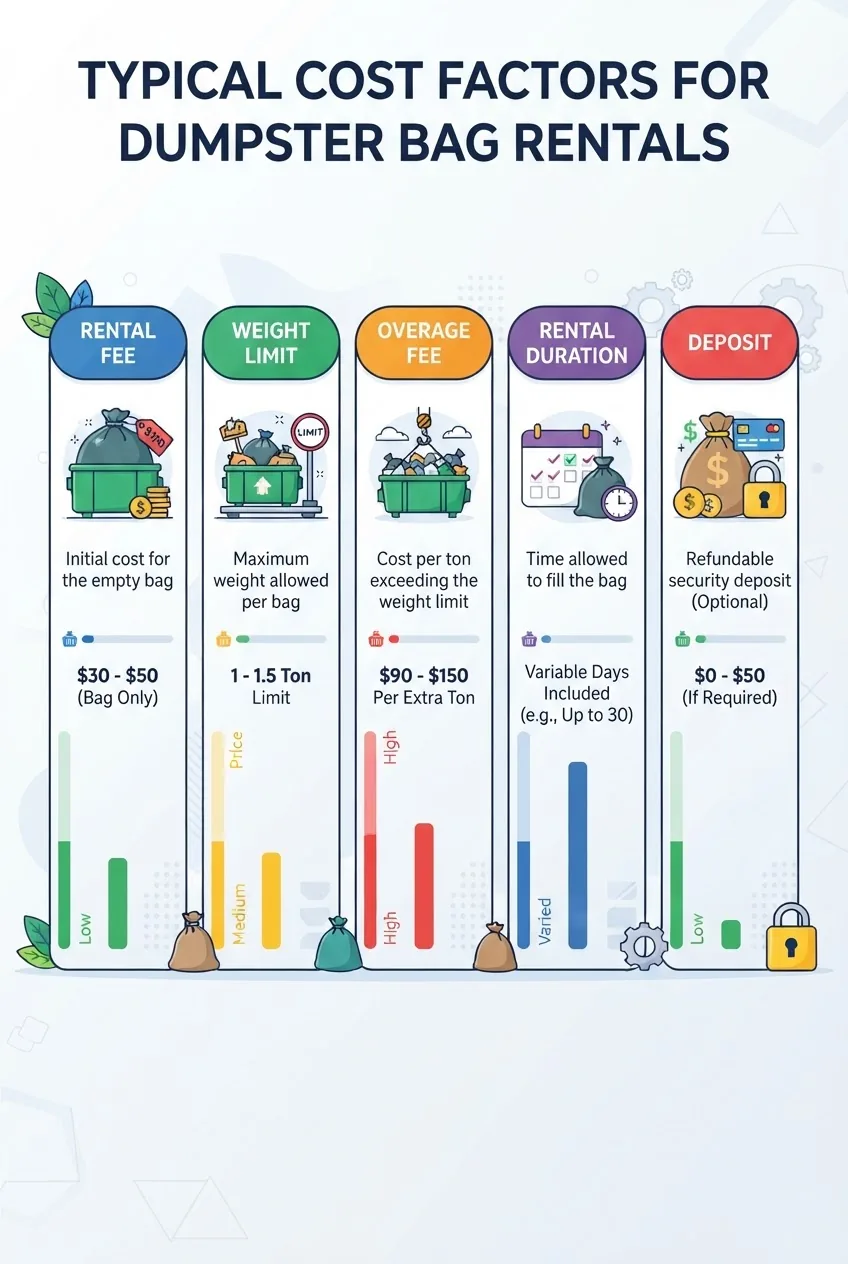
Understanding pricing structure helps you avoid surprise charges. Typical line items: rental fee (base), included weight, overage charges, rental duration fees, and refundable deposit. Below is a practical table summarizing typical costs for residential dumpster bag rentals.
| Cost Factor | Typical Range | Notes |
|---|---|---|
| Rental fee (base) | $50–$250 per bag | Depends on bag size and provider. |
| Included weight | 250–1,000 lbs | Excess billed per 100 lbs. |
| Overage fee | $10–$50 per 100 lbs | Varies with waste density. |
| Rental duration fee | 0–$25/day after initial window | Extensions charged per day. |
| Deposit | $0–$150 refundable | Held for compliance and damage. |
Transition: compare bag rentals to commercial or full roll-off dumpster options when sizing the job or planning budgets. For in-depth commercial comparisons see commercial dumpster service guide and rental requirements and commercial junk removal services guide and cost overview. To benchmark against traditional dumpster pricing see dumpster rental cost guide and local dumpster services.
A practical pricing tip: when quoted, ask for per-100-lb overage pricing and the facility disposal rate — that’s the line that most often causes variations between providers.
Suitable Waste Types and Disposal Guidelines for Bag Waste
Not all waste belongs in bags. Below are standard categories and concise disposal rules. Always verify local rules before loading — municipal rules often supersede provider guidance.
Acceptable waste categories
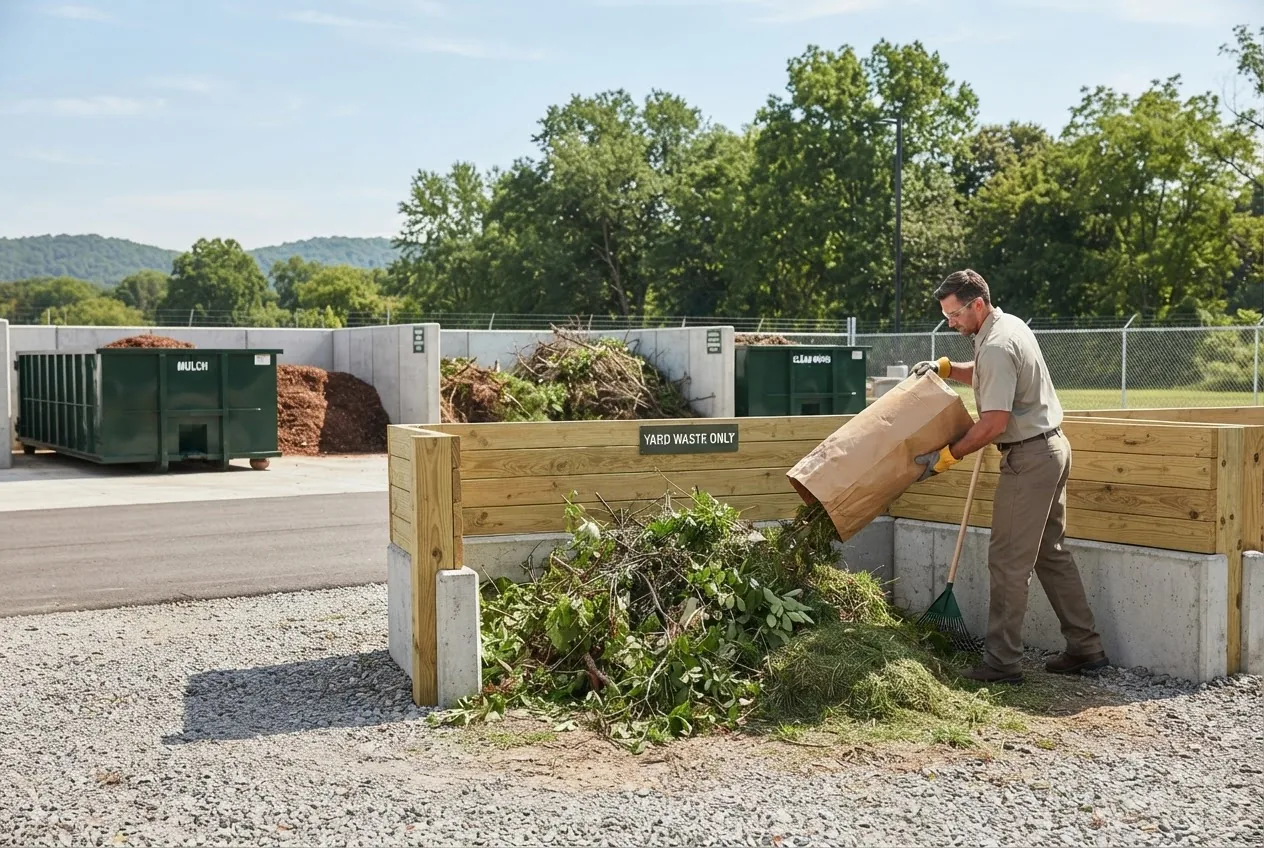
- Yard debris: leaves, grass clippings, branches (branch diameter typically must be <6 inches for bagging). Compostable bags recommended for green waste.
- Household junk: boxed clothing, small furniture (must be disassembled if too large), non-hazardous appliances (some providers exclude refrigerators due to refrigerant).
- Construction & demolition (light): drywall, tile, brick, untreated wood, roofing shingles (confirm weight limits and metal separation requirements).
Prohibited or restricted items
- Hazardous waste: paints, solvents, pesticides, asbestos, automotive fluids — require special disposal or licensed hazardous waste haulers. See Hazardous Waste Removal Companies Guide and Disposal Rules for alternatives.
- Tires, large batteries, and electronics may be restricted or require separate drop-off.
- Loose soil or large quantities of dirt often exceed bag capacities — consider dedicated dirt removal services: dirt removal near me service guide and cost overview.
Regulatory pointers: municipalities and landfill operators set the final rules. For example, consult Birmingham garbage pickup guide and service requirements as an example of municipal constraints, and review regional landfill requirements here garbage landfill overview and waste disposal requirements. For construction-level alternatives consult debris removal companies guide and construction services.
Transition: with waste types clarified, you’re ready for the hands-on loading best practices that prevent damage and penalties.
How to Load and Handle Waste Removal Bags Properly
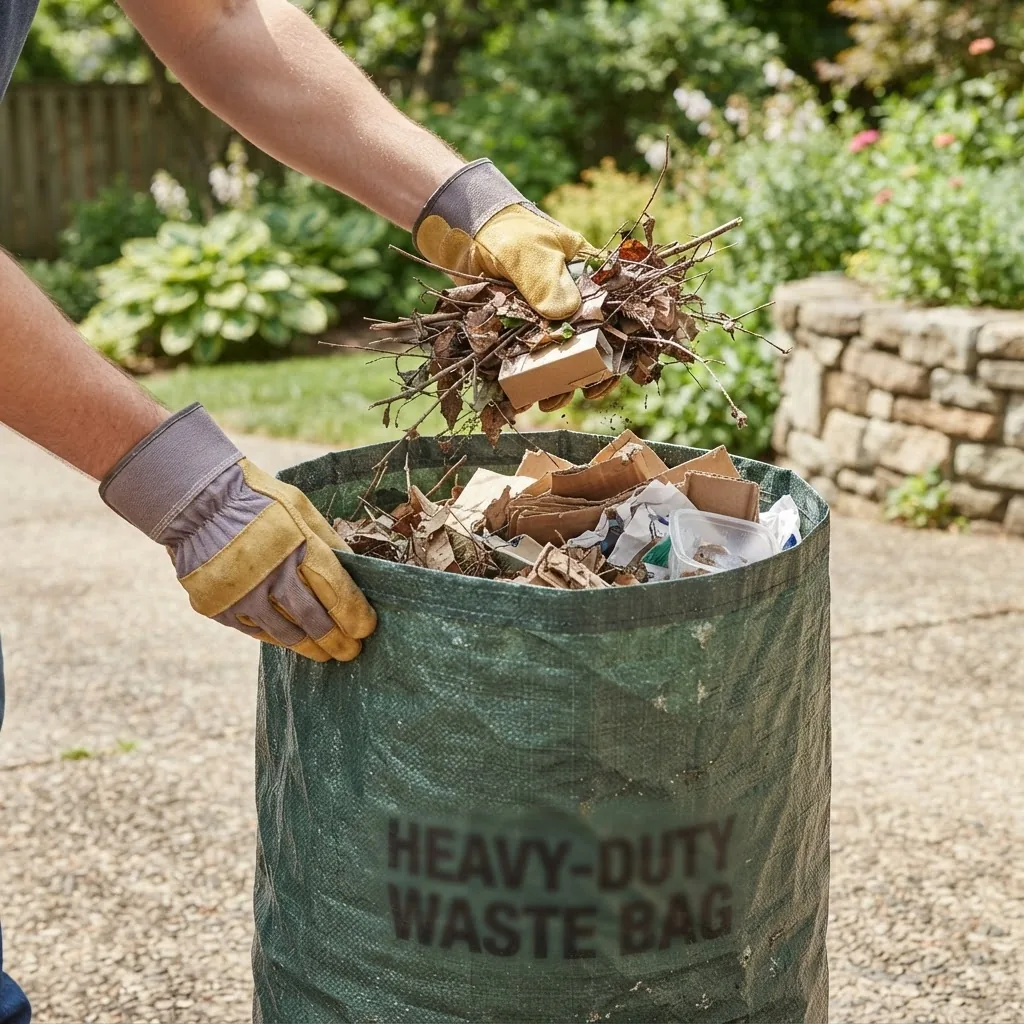
This walkthrough prescribes a safe loading sequence and exact handling tips. Follow the steps below and observe the cautions (OSHA manual handling guidance applies for lifting more than 50 lbs). For contractor or repeated heavy lifting, consult OSHA.
- Pre-check the bag and site: Ensure the bag’s lifting straps and seam stitching show no defects. Place the bag on flat ground; keep it at least 3 ft from road traffic. Measure bag opening height — most bags are 3–4 ft high; if loading bulky items, disassemble to fit.
- Load heavy items first: Place dense items (concrete chunks, brick, heavy appliances) at the bag bottom and centered to create a stable base. Maximum single-item weight should not exceed 100–150 lbs to allow safe team lifts.
- Wrap or protect sharp items: Use cardboard or scrap wood to wrap sharp edges so they don’t puncture the bag’s interior. Distribute such items away from the bag’s sidewalls and straps.
- Layer lighter materials on top: After the dense base, load mixed household junk and then lighter yard waste. Keep piles below the bag rim; leave 4–6 inches of headspace to allow tied closure and safe lifting.
- Check weight frequently: Use a portable scale on sample loads: if a filled bag measures near the provider’s weight limit (e.g., 1,000 lbs), stop and reallocate. When in doubt, split the load into two bags.
- Secure the top: Tie or seal the bag as instructed; some providers require a specific knot or a strap label. Photograph the sealed bag for records.
Caution: If a bag is marked as a 500-lb limit, do not exceed it. I once saw a bag overloaded to 1,200 lbs which tore during lift — that required on-site re-handling and extra fees.
Experience tip: distribute weight so the bag’s center of gravity stays central; if a bag tips when nudged, redistribute heavier items inward. If manual handling exceeds safe limits, use a small hoist or enlist a professional crew.
Transition: after loading, prepare for pickup — the next section explains expectations and preparatory checklist items.
Dumpster Bag Pickup: What to Expect and Preparing Your Bags
Pickup is the final critical interaction. Proper preparation avoids delays, disputes, and extra charges. The list below gives a clear checklist for day-of pickup responsibilities and what crews will check.
- Clear access path: 8–10 ft width, remove vehicles and obstacles at least 15 minutes before scheduled pickup.
- Label or tag bags if required by the rental agreement.
- Ensure bags have 3–4 ft clearance on all sides for lifting equipment.
- Keep a copy of the rental contract, photos taken before pickup, and your ID available for the driver.
- Be prepared to answer inspection questions (contents, any hazardous materials).
Checklist for the operator: drivers will typically inspect for overfilling, obvious hazardous materials, and weight warnings. If a bag fails inspection, the provider may refuse pickup or request redistribution for an additional charge. Read your terms to know the exact refusal conditions.
For interactions with municipal pickup services and how they coordinate with private bag rentals see city garbage pickup service guide and collection details and garbage man service guide and collection requirements.
Transition: small problems can become big delays — the next section covers common issues and quick fixes.
Troubleshooting Common Issues with Waste Removal Bags
Below are real-world problems you will likely face and practical, immediate solutions organized as question/answer pairs for quick scanning.
Bag tearing or punctures
If a bag tears, immediately transfer contents using secondary bags or tarps into intact bags. For small punctures, patch with heavy-duty tape and redistribute sharp objects away from the repaired area. Photograph damage and notify the rental company — many contracts require notice prior to pickup to limit claimed liability.
Overfilling or weight limit exceeded
Do not attempt to have the operator lift an obviously overweight bag — they may refuse. Redistribute material into an additional bag or reduce load by hauling off certain materials yourself. Expect overage fees as quoted; request a documented weight confirmation at pickup to ensure accurate billing.
Pickup delays or rescheduling
If pickup is delayed, keep bags covered and protected from rain (especially for biodegradable bags). Notify the provider immediately; many companies offer a one-time free reschedule if requested 24 hours before pickup.
Weather impact (rain, snow)
Wet materials gain weight quickly. If rain is forecast, cover bags with tarps and consider moving heavy, water-absorbent waste (like carpeting) into dry storage until pickup. If weight increases beyond the limit, split loads accordingly.
When dealing with disputes about damage or billing, follow the contract’s dispute resolution path and keep dated photos and communication logs. For soil or heavy dirt issues, consult dirt removal near me service guide and cost overview for alternatives.
Transition: final section covers sustainability and legal considerations you must weigh before filling bags.
Sustainable and Legal Considerations in Using Waste Removal Bags
Disposal choices have environmental and regulatory implications. Follow agency guidance to reduce landfill load and avoid fines.
Regulatory and recycling references: consult the U.S. Environmental Protection Agency for guidance on disposal and biodegradable options — EPA. For large-volume or commercial recycling options, see commercial recycling services guide and waste disposal cost. For lawful public dumping sites and requirements see dumps for trash guide and public dumping requirements.
Sustainable practices:
- Separate recyclables (metal, cardboard, clear wood) from bag waste to lower disposal fees and increase recycling rates.
- Use certified compostable bags for green waste going to municipal composting programs.
- Donate reusable furniture and electronics before bagging; many charities offer pickups or drop-off centers.
Legal caveat: local regulations vary. According to a 2023 municipal compliance summary, some cities bar private bag pickups on main thoroughfares without permits — always confirm local ordinances and landfill acceptance rules before booking pickup.
Common mistakes and how to avoid them
I’ve seen these failures on many jobs; avoid them by following the corrections below.
- I once overloaded one bag because I underestimated material weight — solution: weigh a sample bag and split heavy loads into multiple bags.
- I assumed biodegradable yard bags would handle wet leaves — they tore in rain. Use compostable bags only for dry green waste or use heavy-duty mesh where moisture is expected.
- I placed bags too close to parked cars and the rental truck couldn’t access them — always leave at least 8–10 ft of clear width and 3–4 ft around each bag.
Checklist: Verify your work
Before scheduling pickup, confirm the following:
- You’ve documented bag placement and taken photos from multiple angles.
- Each bag is within the provider’s stated weight limit (use your scale sample estimate).
- No prohibited items are mixed into bags.
- Access is clear and the pickup window is confirmed with the provider.
- You’ve retained a signed rental contract or written terms and saved the provider’s contact number for day-of pickup.
When to call in a professional
Hire a professional if any of the following apply:
- Loads exceed 1,000 lbs per bag or required lifting exceeds two-person safe limits.
- There is hazardous or unknown waste mixed in the materials.
- Site access is restricted and requires mechanical lifting or permit coordination.
Final takeaway: plan by volume and weight, choose bag material for the waste type, document everything, and follow local disposal rules. When in doubt, split loads or hire a pro to avoid costly surcharges.