

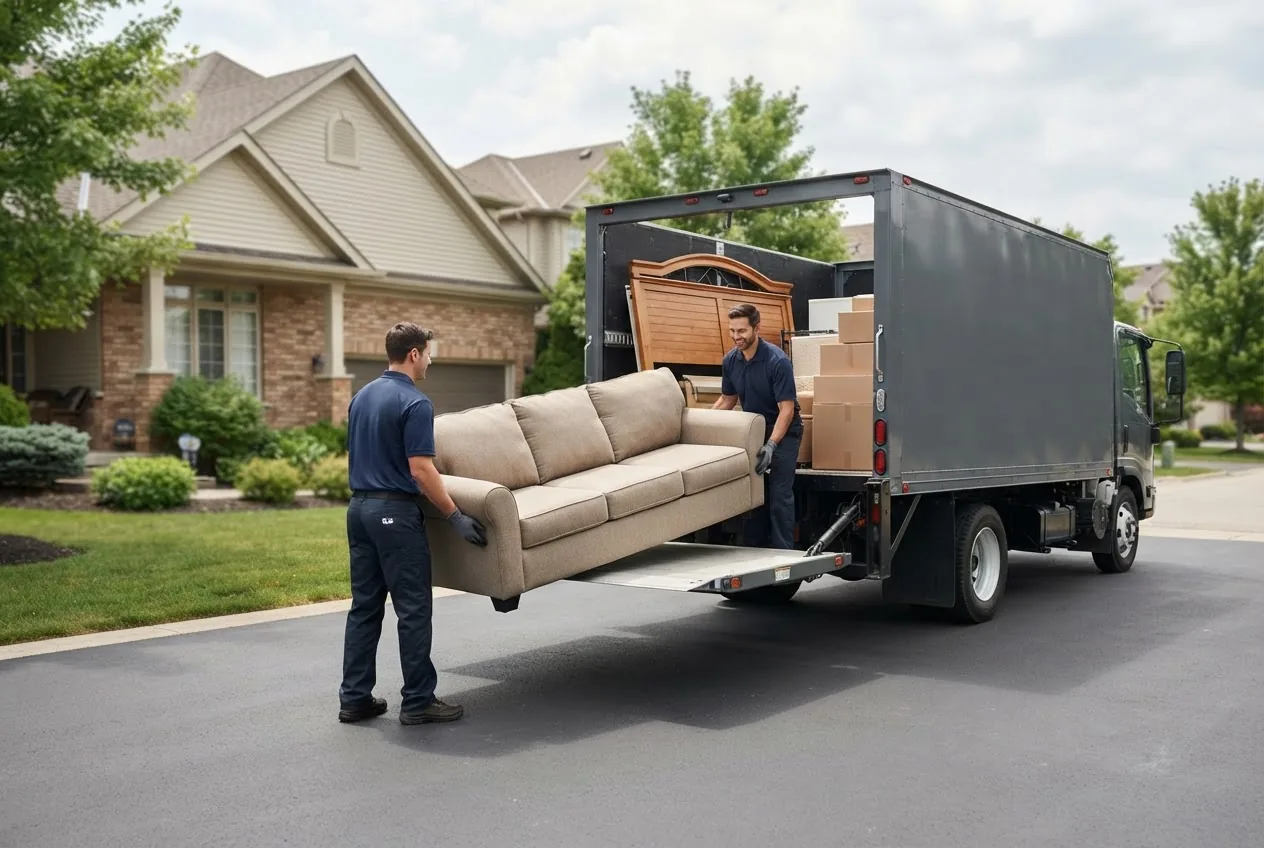
How to dispose of a couch — by the end of this hands-on guide you’ll know every legal, affordable and environmentally responsible option for removing a couch, how long each method takes (20 minutes to self-prepare; 1–7 days for pickups), and the exact skill level required: basic DIY to light-pro mover coordination.
What you’ll achieve: a safely prepared couch ready for donation, sale, landfill, recycling or professional removal with clear next steps and cost/permit checks for urban, suburban and rural contexts.
Before you start
- Prerequisites: clear access (3 ft minimum hallway width), measurements of couch (length, depth, height), photo for listings or pickup requests.
- Tools and materials: screwdriver set, pry bar, moving blankets, 4 ratchet straps, heavy-duty disposal bags, gloves, tape measure, utility knife, face mask for dust.
- Documents to check: local curbside rules, landfill/drop-off hours, donation pickup criteria, and any HOA restrictions.
Why Proper Couch Disposal Matters
Discarding a couch isn’t just a bulky chore — it has measurable environmental and regulatory consequences. Couches are large contributors to household bulk waste, and many contain mixed materials (wood frames, foam, fabric, metal springs) that increase landfill volume and complicate recycling.
According to a 2024 industry report, furniture and furnishings account for a significant share of household bulk waste by volume, increasing landfill load and methane risk where organic padding decomposes anaerobically. Proper disposal reduces landfill waste and keeps reusable materials in circulation through donation or recycling.
Key environmental concerns include: contaminant-bearing foam (some older furniture contains chemical fire retardants), mixed-material separation requirements at recycling facilities, and the carbon impact of removal trips. Responsible disposal routes—donation, resale, material recycling, or licensed junk hauling—reduce environmental harm and may lower cost.
Local regulation matters: many municipalities require scheduled bulk pickup or drop-off registration to avoid illegal dumping fines. According to a 2023 municipal code review, fines for curbside illegal dumping range from $100 to $1,000 depending on jurisdiction. Check local rules before placing a couch at curbside.
Transition: With the reasons clear, the next section gives a step-by-step hands-on workflow you can follow now, with timed actions and troubleshooting for urban, suburban and rural settings.
Step-by-Step Guide on How to Dispose of a Couch
This section is the practical workflow. Expect 20–60 minutes to prepare a couch for pickup or drop-off (dismantling and packing) and 0–7 days for service scheduling depending on your chosen method. Follow each numbered step; long steps include detailed sub-steps.
-
Measure and photograph the couch.
Take three measurements (length, depth, height) and at least four photos: front, back, full-room context, and a close-up of damage/labels. Use these for donation acceptance checks, resale listings, or service quotes. Record the weight estimate—typical 3-seater couch: 100–200 lbs; sectional: 200–400 lbs.
-
Identify materials and hazards.
Check for tags that indicate filling (e.g., “contains polyurethane foam”) and visible chemical labels. If the couch has mold, severe pest infestation (bedbugs), or hazardous-material labels, you may need specialized disposal. According to a 2024 environmental agency advisory, severely contaminated furniture often must be handled as regulated waste; avoid donation.
-
Decide your disposal route.
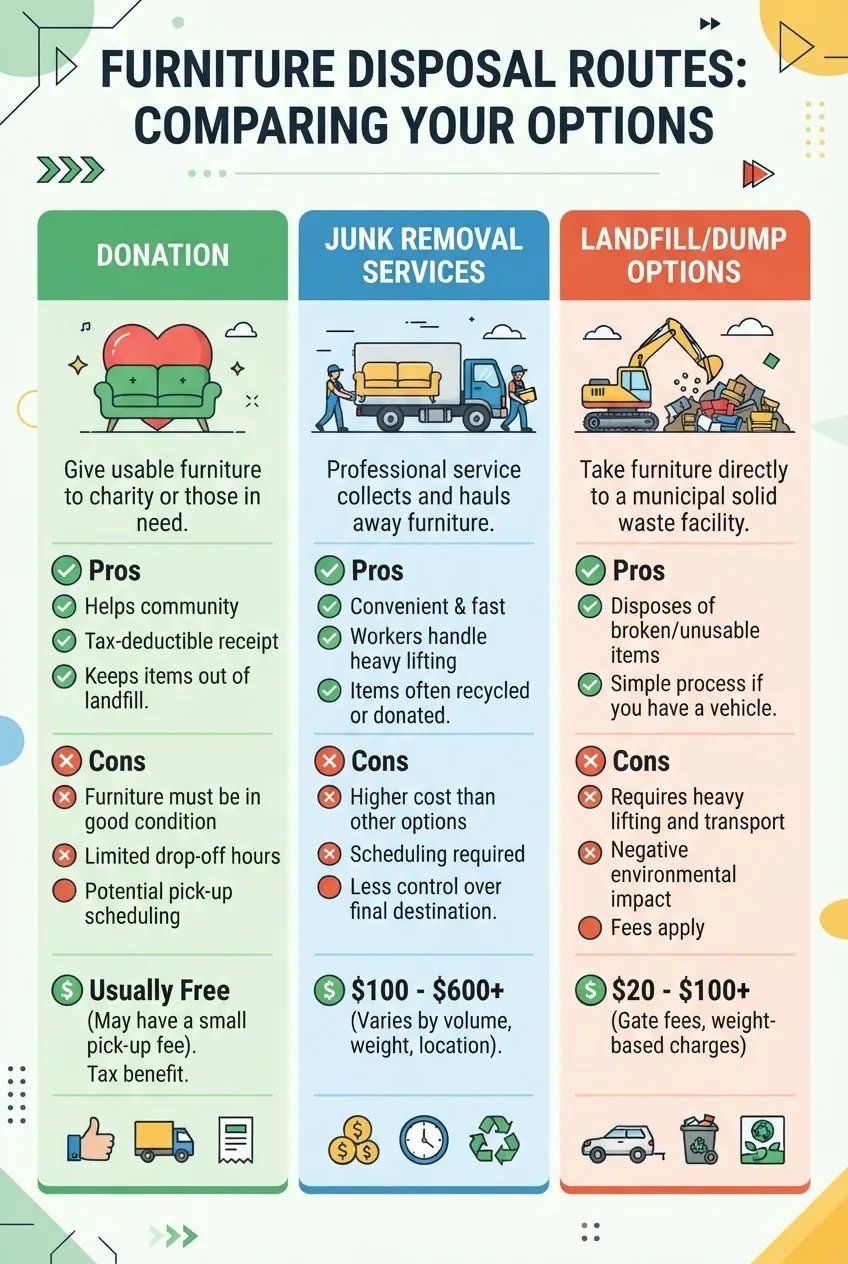
Choose donation/resale, municipal bulk pickup, private junk removal, landfill/dump drop-off, or dumpster rental. Use the decision matrix below: choose donation if intact and clean, route to reuse marketplaces if cosmetically good but slightly worn, use junk removal if time or access is limited, or plan a landfill trip for non-reusable items.
For seasonal civic options, check local events—see city clean up and spring cleanup options.
-
Prepare the couch for transport.
Remove loose cushions and vacuum. Use 2 moving blankets—wrap the frame, then strap with ratchet straps. For doorways, remove the legs (expect 5–10 minutes) and use a screwdriver/receiver set. For foam or fabric that sheds heavily, seal in heavy-duty contractor bags to prevent contamination during transit.
-
Dismantle for smaller handling and recycling.
If recycling is your goal, dismantle the couch: remove fabric and foam from the frame. Steps: undo staples with a flat bar, cut fabric in 2–3 sections, separate foam from wood. Keep screws and metal springs in a labeled bag for metal recycling. Typical time: 30–60 minutes for a 3-seater with two people.
Safety: wear gloves and a dust mask; work outdoors or in a ventilated area. Keep foam pieces no larger than 3 ft for easier handling at drop-off centers.
-
Contact your chosen service and schedule pickup.
If donating, call the charity with photos and measurements to confirm pickup or drop-off. If using municipal bulk pickup, book within your city’s portal or call public works—note many cities require items at curb by 7 a.m. on scheduled day. If hiring a junk hauler, request an on-site estimate (or photo estimate) and confirm final price and acceptability of materials.
-
Label and place the couch correctly for curbside pickup.
Write contact information on removable labels when required and place the couch at the designated curb location per your city rules (typically within 3 ft of curb). Do not block sidewalks or hydrants. If your municipality requires tagging or permits, place the permit visibly on the item.
-
Drive to a drop-off or landfill if self-hauling.
Bring measurements and any required ID or proof of residence. Landfill staff will direct you; expect bulk-item fees (range $10–$60 per item in many municipalities). According to a 2023 waste-facility fee survey, average municipal bulk fees were approximately $25–$40 per item for couches.
-
Complete donation or resale steps.
For donation: provide proof of condition and arrange pickup or drop-off. For resale: list with clear measurements, transparent condition notes, and set a firm pickup policy (no-shows often cause delays). Typical pickup window for sold items is 24–72 hours after sale confirmation.
-
Document the disposal.
Keep receipts: donation pickup receipt (tax-deduction form), junk hauler invoice, landfill weigh-ticket, or municipal permit. These documents protect you from fines and provide proof for tax deductions if you donate—save for at least three years.
Transition: After preparing the couch and selecting a route, you may prefer donation and resale—read on for exactly where to donate, what charities accept, and resale platforms that move furniture quickly.
Donation and Resale Options for Couches
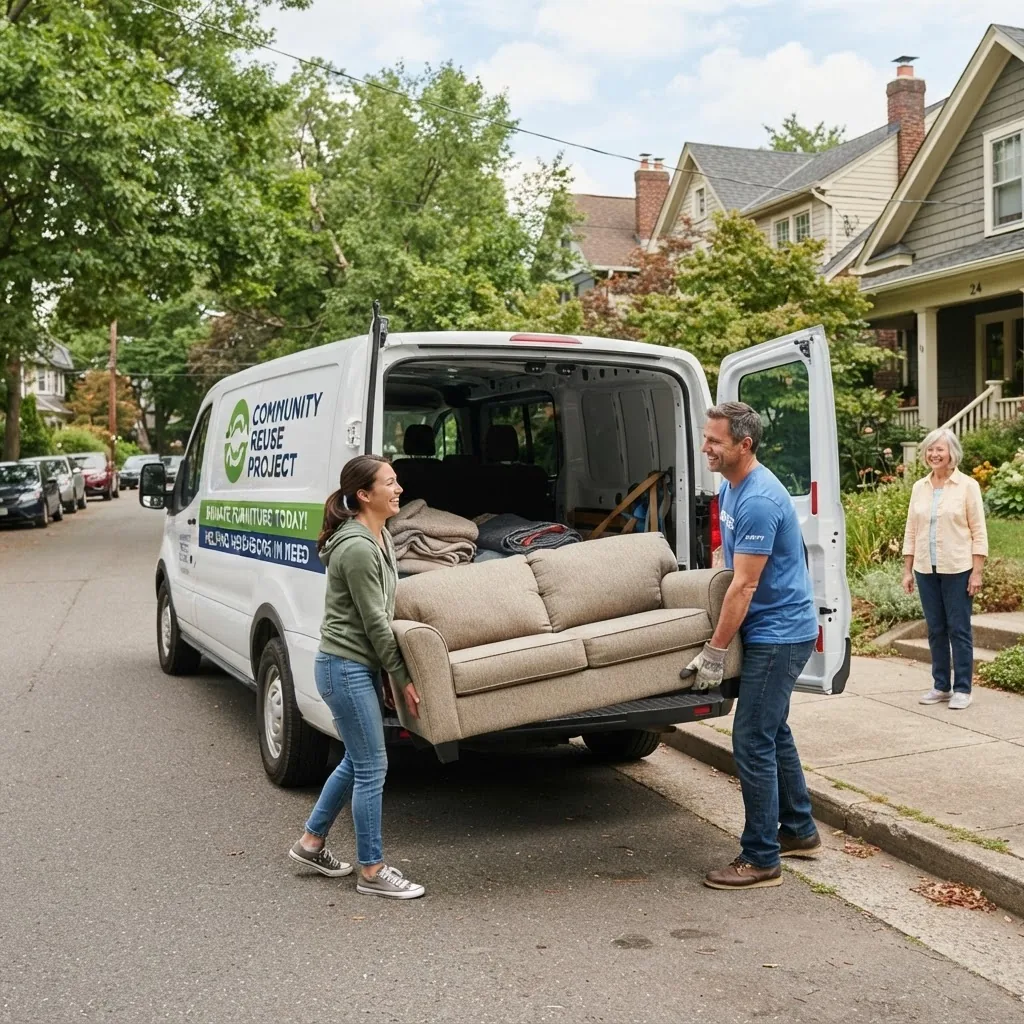
Donating or reselling a couch is often the most sustainable and cost-effective option, but charities and thrift stores have strict acceptance criteria. Follow these rules to improve odds of acceptance: clean upholstery, remove pet hair, repair major structural damage, and provide clear photos and measurements.
Common donation organizations and platforms:
- Goodwill — local Goodwill stores accept furniture in many areas if the item is clean and functional. Confirm with your local branch before drop-off. Goodwill donation guidelines
- The Salvation Army — offers pickups in many regions for serviceable couches; schedule online or by phone. Salvation Army donation policies
- Local shelters and housing charities — often take couches if they meet safety and cleanliness standards; call ahead.
- Thrift and consignment stores — accept higher-quality pieces for consignment; expect longer sale time but higher returns.
- Online marketplaces — Facebook Marketplace, Craigslist, OfferUp, and specialized furniture resale apps move items quickly when priced competitively.
- Free pickup services (charity partners or local nonprofits) — require photos and sometimes a short questionnaire about condition.
Other sustainable options include material recycling drop-offs for wood and metal frames. See the local recycling drop off locations and bin availability for facility rules and accepted materials.
Donation checklist for quick acceptance:
- No heavy stains, mold, or pet infestations.
- Structural integrity: frame not sagging, no broken springs.
- Clear photos and measurements provided when scheduling pickup.
- Pickup scheduling within 1–7 days; drop-off immediate at donation centers.
Transition: If donation or resale won’t work for you, junk removal services are the fastest paid option — the next section compares those services to DIY removal so you can pick the right approach.
Using Junk Removal Services for Couch Disposal
Hiring a professional is faster and less physically risky. Junk removal companies handle lifting, loading and disposal, and many offer same- or next-day service. Expect pricing models: per-item, per-bedroom, or truckload. Typical per-couch pricing ranges $75–$250 depending on region and complexity (stairs, elevators, dismantling).
Benefits of professional removal: speed (0–48 hours), insured labor, and help with bulky access. If your couch contains hazardous contamination or pests, notify the hauler—some companies refuse contaminated items or charge for special handling.
For a broader review of service options beyond couches, consult our junk removal services guide and residential pickup options.
| Service Type | Best For | Typical Cost | Pros / Cons |
|---|---|---|---|
| DIY self-haul | Lowest cost, full control | Vehicle + landfill fee $20–$80 | Pros: cheap. Cons: physical labor, time. |
| Local junk hauler (per-item) | Single items, fast pickup | $75–$250 per couch | Pros: convenient. Cons: cost varies. |
| Full truckload service | Multiple items/whole-home clearouts | $300–$700 per truck | Pros: efficient for many items. Cons: higher total cost. |
| Specialty recycling hauler | Furniture recycling and salvage | $50–$200 or donation-based | Pros: eco-friendly. Cons: limited availability. |
How to choose a hauler: verify licensing, ask about disposal routes, request an itemized estimate, and confirm insurance and worker compensation. Ask whether the company donates usable pieces (some partner with charities) or sorts materials for recycling. If stairs or a tight elevator add time, expect $25–$75 extra.
Transition: If you prefer to visit a dump yourself or need to know drop-off rules, the next section lists common landfill and municipal options and their typical requirements.
Where to Dump Furniture: Local Dump and Landfill Options
Knowing where to dump furniture legally depends on whether you are in an urban, suburban, or rural area. Typical options include municipal transfer stations, county landfills, privately operated dumps, and scheduled community drop-off events. Many facilities accept furniture but impose size, weight and material restrictions and may charge bulk fees.
Common dump site types and requirements:
- Municipal transfer stations — usually accept household furniture; bring proof of residence. Fees: often $10–$50 per item or by weight. Check your city portal or phone line for hours.
- County landfills — accept most furniture; some require advance registration for bulky drop-offs and may have dedicated bulk days.
- Private waste transfer companies — accept furniture for a fee and may offer recycling options; require commercial cash or card payment.
- Scrap metal recyclers — accept metal frames and springs; separate these before arrival if possible to reduce fees and speed processing.
- Donation centers with drop-off bays — accept furniture in good condition; often free but appointment-based.
- Seasonal civic drop-offs and community clean-ups — free or low-cost and common in spring/summer; schedule is limited.
Typical restrictions to check before hauling:
- Prohibition on biohazardous or pest-infested furniture.
- Limits on foam or composite materials at some recycling centers.
- Permit or tag requirements for curbside bulk placement.
- Fees by item or weight; some locations enforce a minimum charge per visit.
Helpful local links and resources: check city pages for bulk pickup schedules and landfill rules. For city bulk pickup schedules, consult the city garbage pickup service and collection details, or refer to the yard trash disposal guide and local waste drop off options for complementary information on drop-off sites.
If you’re in Birmingham, check local regulations and bulk pickup specifics through the Birmingham garbage pickup service requirements.
Transition: For larger projects or multiple pieces, renting a dumpster can be the most efficient solution — the next section explains sizes, costs and permitting.
Renting a Dumpster for Large Furniture Disposal
Dumpster rental is ideal for whole-home cleanouts, multiple couches, or renovation debris combined with furniture. Choose the right size and understand permitted items and rental timelines.
- Choose a dumpster size. Common sizes: 10-yard (small cleanouts), 20-yard (1–2 rooms), 30-yard (multiple rooms or sofa + large items), 40-yard (whole-house). For 1–2 couches and household debris, a 10–20 yard dumpster is typical.
- Confirm permitted items and weight limits. Most rentals allow furniture, wood, metal and non-hazardous trash. Prohibited: paints, solvents, asbestos-containing materials, and large quantities of soil. Weight limit charges commonly apply—expect $50–$150 per ton overage.
- Get multiple quotes and check permit needs. Delivery and pickup fees vary by region; expect $300–$800 total for a 10–20 yard unit for a 7-day rental. If the dumpster sits on public property (curb or street), a permit from the city is often required—see the commercial dumpster service guide and rental requirements.
- Load strategically and respect fill height. Place bulky items near the middle, break down couches to maximize space, and never exceed the fill line—overfills can be refused at pickup and cost extra.
- Plan rental duration and schedule pickup. Typical rental is 7 days; arrange for pickup at least 48 hours before your required removal date to avoid daily extension fees ($10–$30/day).
Cost considerations: dumpster rental costs depend on size, weight, distance to disposal facility, and the local tipping fee. According to a 2023 waste-industry pricing summary, average local tipping fees range from $30–$70 per ton; estimate total cost before booking.
Transition: The last section rounds up practical tips and common FAQs to avoid fines, unsafe handling, and illegal dumping issues.
Tips and FAQs on Furniture Disposal Challenges
Here are practical answers and troubleshooting steps for common problems encountered when disposing of couches.
Common mistakes and how to avoid them
I once scheduled a curbside pickup without measuring the couch or checking my city’s scheduled bulk day; the hauler refused pickup and I incurred a second fee. Lesson: always confirm measurements and schedule first. Another time I left a soiled couch at curb; it was fined as an illegal dump—clean items only.
- Not measuring doorways and hallways — measure twice, plan route, remove legs to save 2–4 inches.
- Assuming all charities accept worn furniture — phone ahead; many only accept donation-ready items.
- Failing to check landfill or transfer station rules — call before hauling to avoid turnaways and fees.
- Placing furniture at curb without a permit — verify local bulk rules to avoid fines ($100+ in some cities).
Compact disposal checklist
- Measured and photographed the couch (length, depth, height).
- Dusted, vacuumed and removed cushions.
- Checked donation eligibility or scheduled pickup.
- Documented receipt from donation, landfill or hauler.
- Disposed or recycled metal/spring components where possible.
When to call a professional
Call a professional junk hauler or specialized disposal service when your couch is contaminated (mold, pests), when stair/elevator access makes DIY removal risky, or when you lack a vehicle rated for large loads. Professionals also handle permits and heavy lifting safely—expect extra costs for stairs ($25–$75 per stair flight).
Final notes on legal and safety issues: consult local government waste management pages for specific disposal rules and hours. For federal recycling guidance, review the EPA guidelines on recycling and waste. For local municipal rules and fee schedules, consult your city or county waste page — for general local government resources see local government waste pages.
Transition to conclusion: below is a concise wrap-up and action steps so you can pick a route and get moving today.
Conclusion
Key takeaways: choose donation or resale for reusable, clean couches; use licensed junk removal for speed and safety; self-haul to a municipal dump for non-reusable pieces; rent a dumpster for large projects. Document everything—photos, receipts, permits—to avoid fines and claim deductions. Ready to act? Pick the route that fits your timeline and budget, book the pickup or drop-off, and follow the checklist above to complete the job without surprises.
Call to action: If you’re short on time, get a quote from a hauler, or contact a local donation partner today to schedule a pickup within the next 1–7 days.