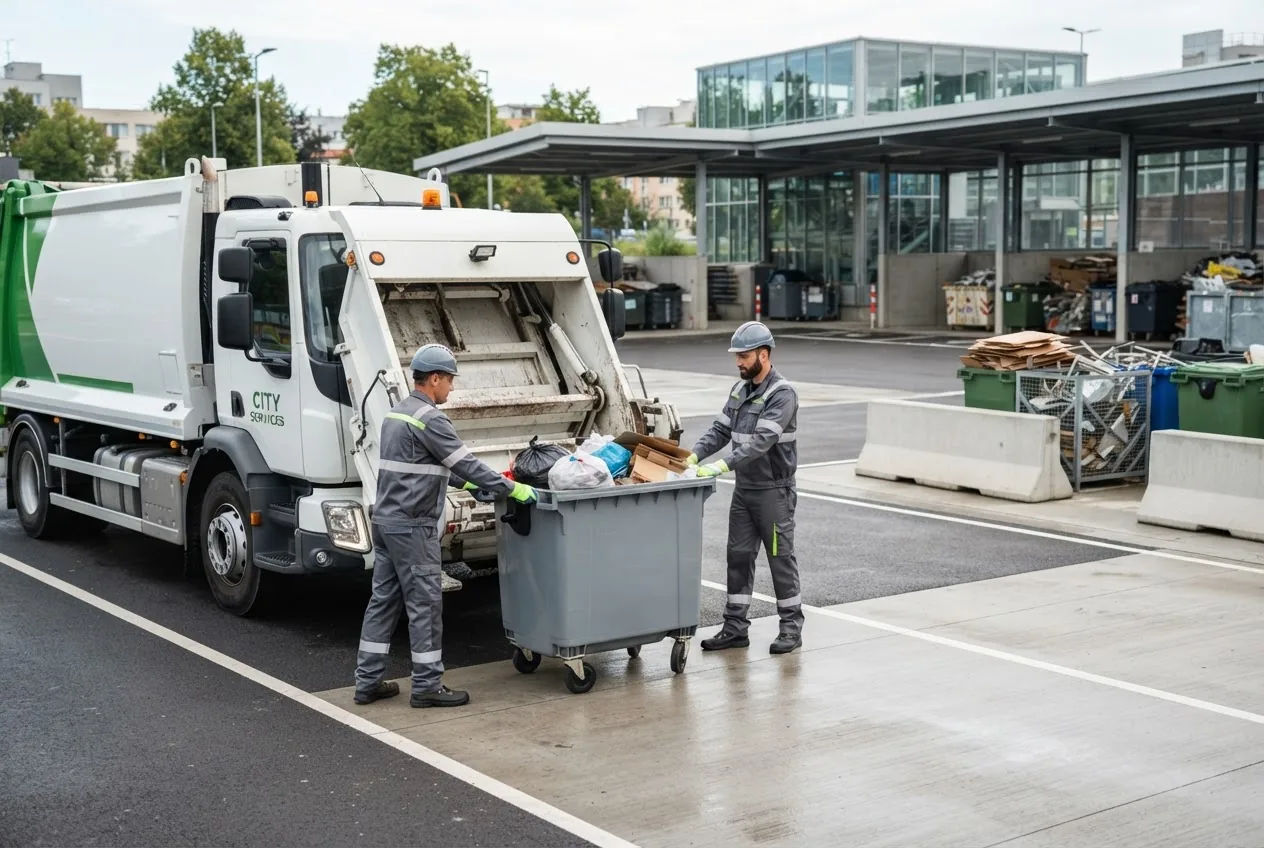

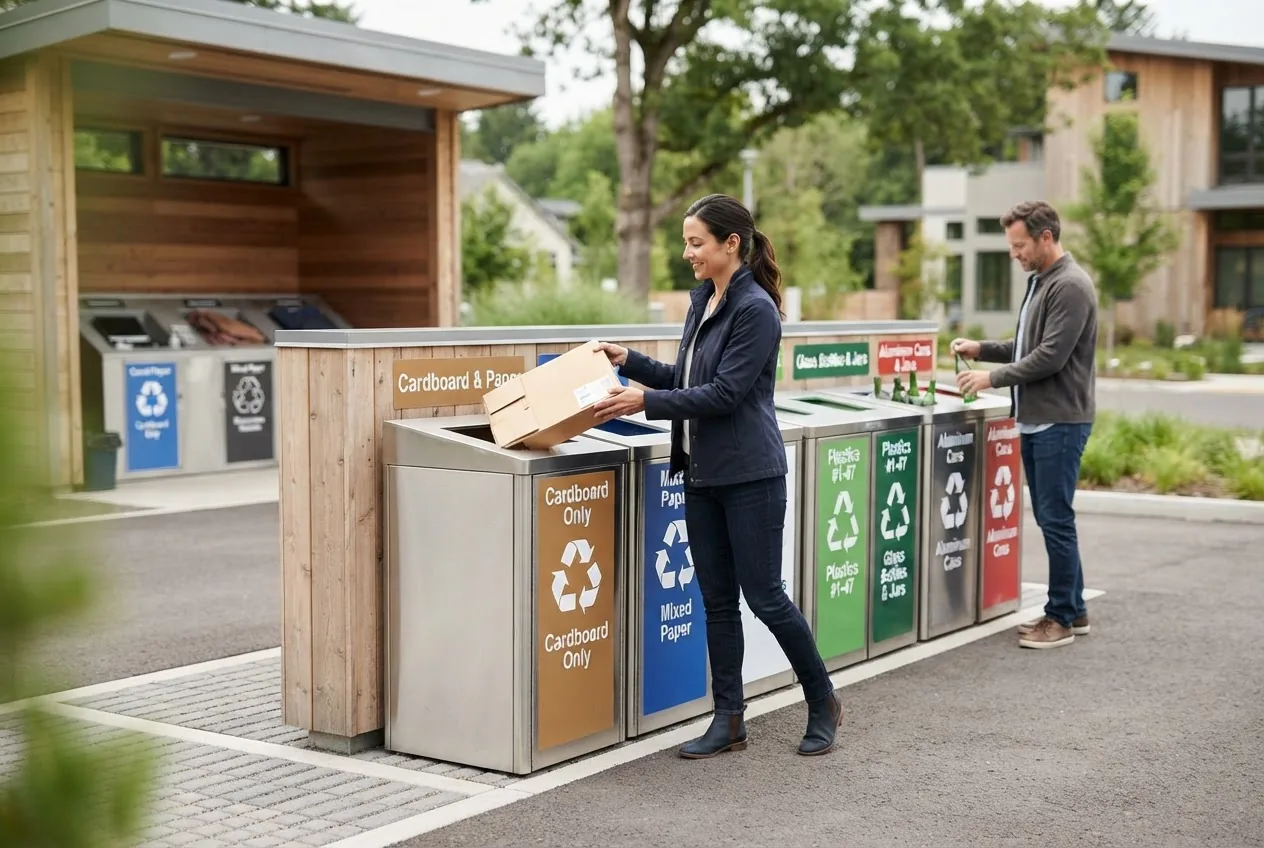
Recycling drop off locations are public or community-managed sites where residents bring sorted recyclables (cardboard, metal, glass, plastics, electronics) to designated bins or collection points; bin availability varies by site and material, so check local center hours and labeling before you go to avoid rejected loads or contamination.
What are recycling drop off locations?
Answer: Recycling drop off locations are fixed or scheduled sites—often run by municipalities, nonprofits, or private recyclers—where the public can deliver sorted recyclable materials to on-site bins or attendants for processing, separate from curbside pickup.
Recycling drop off location: a public or private site where individuals bring pre-sorted recyclable materials to on-site bins, containers, or attendants for collection and transport to processors.
Drop off sites include community recycling centers, transfer stations, retail take-back points, and seasonal or mobile collection events. Examples:
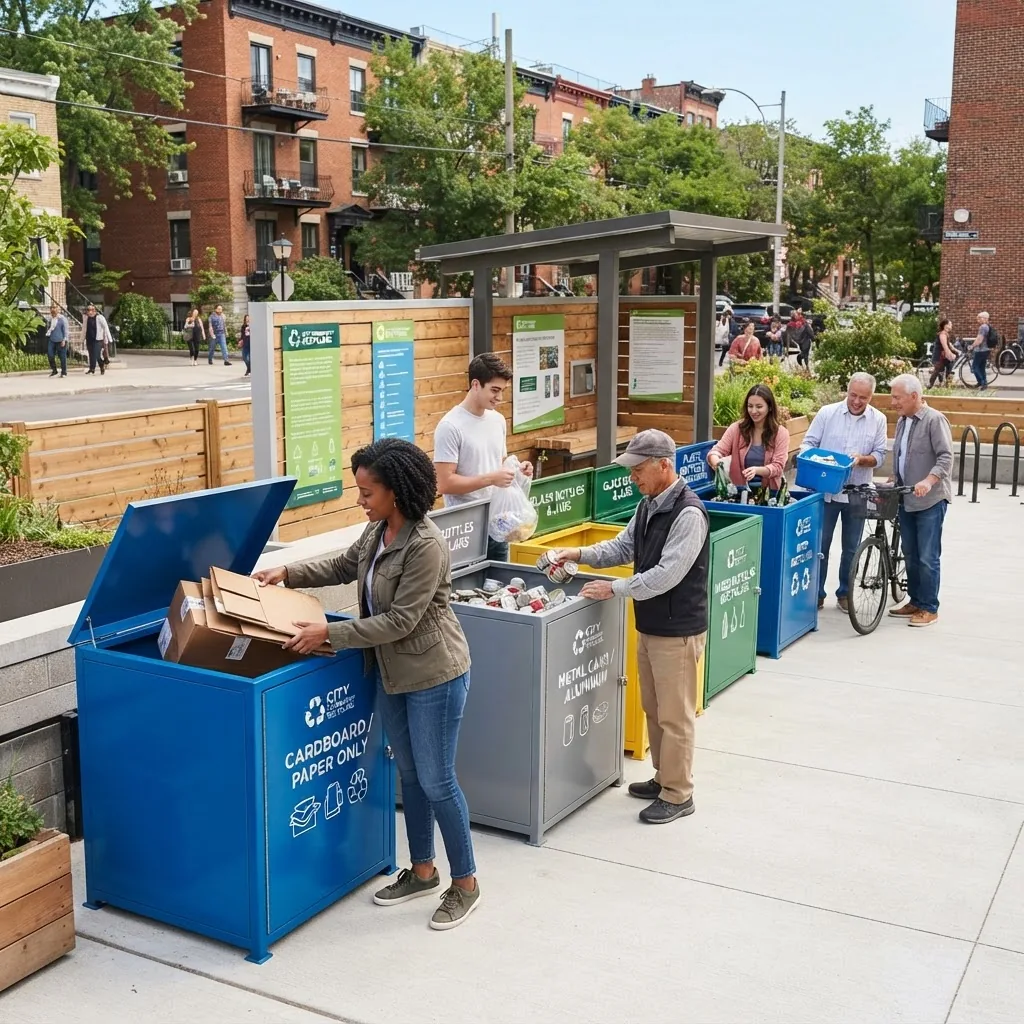
- Community recycling center with staffed intake and multiple labeled bins (paper, cardboard, mixed containers).
- Retail take-back for electronics or paint collection points.
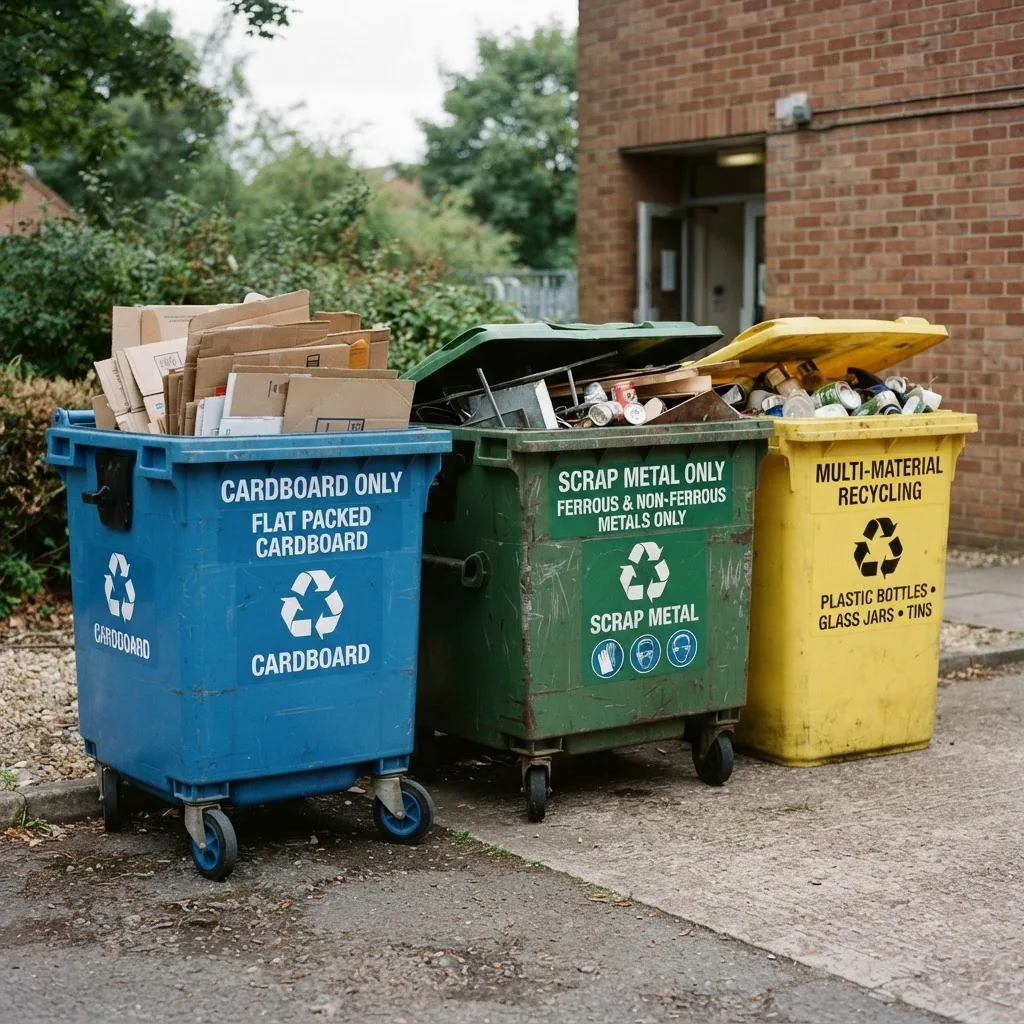
- Large outdoor multi-material drop off with separate cardboard baler and metal scrap bin.
- Temporary neighborhood collection days in partnership with local nonprofits.
Drop off locations complement but do not replace scheduled curbside collection; they often accept specialized or bulk items that curbside services exclude, such as large volumes of cardboard, loose metal scrap, or certain e-waste. For alternatives to drop off or scheduled pickups, see junk removal services and residential pickup options.
Transition: Knowing what these sites are helps you find the right one nearby—next, learn practical search methods to locate drop off points quickly.
How do I find recycling drop off locations near me?
Answer: Use a mix of municipal recycling maps, national directories, targeted searches like “recycle bin near me,” and specialized apps to locate nearby drop off points; verify hours, accepted materials, and bin availability on the site’s official page or by phone before visiting.
Term: “recycle bin near me” — a local search phrase people use to find publicly accessible recycling bins or centers near their current location via search engines or mapping apps.
- Start with municipal tools: Search your city or county public works/recycling page for an official recycling center map and rules. Many local government pages list drop off addresses, hours and accepted materials. For help finding municipal policies, use an authoritative directory such as local government directories.
- Search engines & maps: Query “recycle bin near me,” “cardboard recycling drop off near me,” or “drop off metal trash bin” in Google Maps, Apple Maps, or Bing. Check reviews, photos, and operating hours listed on map entries.
- National recycling locators: Use dedicated directories and nonprofit locators that list drop-off centers for specialty items (e.g., batteries, paint, electronics). For recycling guidelines, consult the EPA: EPA recycling guidelines.
- Retail take-back programs: Large retailers may accept cardboard, rechargeable batteries, or electronics—search retailer sites and in-store drop off programs.
- Community groups and social channels: Local Facebook groups, Nextdoor, or municipal newsletters often post about nearby permanent or temporary drop off events and bin availability.
- Apps and aggregators: Install apps that map recycling centers and scrap yards if you have frequent or large-volume drop offs; these can show real-time updates and contact info.
- Call before you go: Phone the center to confirm accepted materials, any fees, hours, and when bins are typically emptied to avoid full containers on arrival.
Helpful search tips when you type queries: include material (cardboard, metal), add “drop off” or “take-back,” and append your city or ZIP code. If you need rules vs. disposal, check public dumping regulations.
Transition: Once you locate a site, understand the bin types you’ll encounter so you bring properly prepared materials and use the correct containers.
What types of recycling bins are available at drop off sites?
Answer: Drop off sites offer a mix of curbside-style single-stream bins, multi-material separated bins, large cardboard-only dumpsters, dedicated metal scrap bins, and specialty containers for e-waste or hazardous recyclables; choose the bin designed for your material to avoid contamination or refusal.
Term: “drop off metal trash bin” — a designated container at a recycling site for loose ferrous and non-ferrous scrap metal, sometimes requiring separation by type (steel, aluminum) or prepared by removing non-metal attachments.
| Bin Type | Typical Use | Notes & Limitations |
|---|---|---|
| Single-stream drop box | Mixed paper, cartons, plastics, and metal containers | Convenient but higher contamination risk; check accepted plastics and remove food residue. |
| Paper & cardboard dumpster | Large volumes of flattened cardboard and mixed paper | Often locked or staffed; do not include greasy pizza boxes or construction-soiled cardboard. |
| Metal scrap bin | Appliances, scrap iron, steel, aluminum cans | Large items may require dismantling; hazardous components (batteries, refrigerants) must be removed. |
| E-waste & hazardous collection | Computers, TVs, batteries, paint, chemicals | Often restricted to special events or designated drop-off hours; may require proof of residency. |
| Textile & specialty bins | Clothing, shoes, household textiles | Use labeled containers; damaged or wet textiles can be rejected. |
Elaboration: Bin sizes and labeling differ widely—smaller community sites may use curbside-style wheeled carts, while transfer stations use large roll-off dumpsters and balers for cardboard. Some commercial drop offs require segregation of ferrous and non-ferrous metals or separate containers for aluminum cans vs. mixed metal. For businesses that need larger or ongoing solutions, see commercial recycling service options or consider dumpster rental options when volumes exceed drop off capacity.
Transition: With bin types clear, you’ll get better results if you know which materials are commonly accepted and which usually aren’t.
What materials are commonly accepted at recycling drop off points?
Answer: Most drop off locations accept sorted paper and cardboard, metal cans and scrap, glass bottles, many plastics (check codes), electronics at designated points, and sometimes textiles and household hazardous waste during special collections.
Term: “accepted recyclables” — materials that a recycling location explicitly lists as allowed for collection and processing; acceptance varies by site and market demand.
- Paper & cardboard: Flattened corrugated cardboard, mixed office paper, newspaper; avoid greasy pizza boxes or contaminated paper. For handling yard-related separation rules, read about yard waste disposal options.
- Metal: Aluminum cans, tin/steel cans, and scrap metal (appliances, structural metal). For pickup alternatives for larger metal items, see scrap metal pickup services.
- Glass: Clear and colored glass bottles and jars; rinsed and free of lids in many programs.
- Plastics: Bottles and containers commonly accepted; program-specific restrictions on plastic bags, film, and plastic type codes apply.
- Electronics (e‑waste): Computers, TVs, printers accepted at dedicated e-waste drop offs or events; batteries and mercury-containing devices often go to hazardous waste collections.
- Textiles & clothing: Clean, dry clothing in labeled textile bins or through nonprofit drop offs.
- Household hazardous waste (HHW): Paint, pesticides, and some batteries—usually only at scheduled HHW events or designated facilities.
Guidance: Acceptable materials are influenced by local market demand and processing capacity; consult your municipal site or the EPA for broader standards: EPA recycling guidelines. Note that private drop off locations may refuse materials accepted by municipal centers and vice versa.
Transition: Before arrival, prepare materials correctly to meet site rules and minimize contamination risk—here’s a step-by-step checklist.
How should I prepare my items for recycling drop off?
Answer: Sort by material type, empty and rinse containers, flatten cardboard, remove non-recyclable attachments, bag or bundle small items as specified, and label or separate hazardous items; proper preparation reduces contamination and speeds drop off.
Term: “contamination” — non-recyclable materials or materials with food/chemical residue placed in recycling bins, which can spoil entire batches and lead to rejection.
- Check the site rules: Confirm accepted materials and any preparation requirements on the center’s website or by phone.
- Sort at home: Separate cardboard, metals, glass, plastics, and e-waste into distinct piles or containers—this is like organizing laundry into lights and darks.
- Flatten cardboard: Break down boxes and fold them flat to save space; remove packing materials and tape when possible.
- Rinse containers: Empty and rinse food containers and bottles to remove residue; use a quick water rinse—no need for a perfect clean, just avoid greasy or sticky contamination.
- Remove non-recyclables: Take off plastic windows, foam inserts, and cords from appliances; hazardous components (batteries, refrigerants) must be removed and handled separately.
- Bundle or bag small items: Place small metal parts or broken glass in labeled containers or secured bags to protect handlers and prevent bin damage.
- Prepare metals: Empty refrigerators should have refrigerants removed by certified technicians; separate ferrous (magnetic) from non-ferrous metal when requested.
- Label special loads: If you bring mixed loads or large items, tell staff on arrival—many centers have attendants who direct materials to correct bins.
Example workflows: For cardboard recycling drop off, flatten, fold and tie bundles if required; for metal, remove non-metal parts and drain fuels or oils. If you’re unsure, call ahead or check the center’s FAQ—this prevents rejected loads and supports efficient processing.
Transition: With items properly prepped, these practical tips help make drop offs fast, safe, and community-friendly.

What are tips for efficient and responsible recycling drop off?
Answer: Plan timing, confirm accepted materials and hours, sort before travel, follow bin labeling, avoid peak disposal times, and report full or contaminated bins to site operators to keep the system efficient and reduce rejected loads.
- Time your visit: Arrive shortly after opening or mid-week when many municipal sites are less busy; ask staff when bins are usually emptied to avoid full containers.
- Sort before arrival: Load your vehicle with separated bags or boxes so you can unload quickly—this reduces onsite handling and line times.
- Follow signs and staff direction: Use color-coded labels and staff guidance to place materials in the correct bins and avoid contamination.
- Avoid contamination: Keep food-soiled items out of paper/cardboard streams; if in doubt, put the item in trash or ask staff.
- Use alternatives when needed: For items not accepted, look for retail take-backs, scrap collectors, or scheduled community events. Seasonal options like city clean up and spring recycling events often accept special materials.
- Protect handlers and infrastructure: Secure sharp or heavy objects and avoid liquids in open bins; bundle materials to prevent spills.
- Report problems: If bins are overflowing or heavily contaminated, notify the site operator or local public works to prompt servicing.
- Respect rules and fees: Some centers charge for bulky or hazardous items—check payment methods and be prepared.
Community tip: Volunteer programs and nonprofit partnerships often help maintain drop off sites and educate residents. For community-driven cleanup coordination, consider participating in local city clean up and spring recycling events or consult educational resources like Keep America Beautiful.
Transition: Even with good practices, you can encounter problems—here’s how to handle common challenges and find solutions.
What challenges and solutions exist with recycling drop off locations and bins?
Answer: Common challenges include full or unavailable bins, contamination, limited hours, restricted materials, and accessibility; solutions include calling ahead, using commercial services for large volumes, attending scheduled collection events, and reporting issues to site operators or public works.
Term: “bin availability issues” — situations where bins are full, locked, or not present for a specific material when a user arrives, causing inability to properly drop off recyclables.
Problems and practical solutions:
- Full or missing bins: Problem: Overflowing containers or temporary removal. Solution: Call the site, find a nearby alternate center, or return during off-peak hours; report persistent issues to municipal public works.
- Contamination: Problem: Non-recyclables and dirty items contaminate loads. Solution: Sort and clean beforehand; refuse to add questionable items and request staff guidance. Contamination can cause entire loads to be landfilled.
- Restricted materials: Problem: Hazardous waste, large appliances, or construction debris are rejected. Solution: Use specialized services—see debris removal services, dirt removal services, or commercial options below.
- Large or ongoing volumes: Problem: Business or renovation projects exceed drop off capacity. Solution: Consider commercial dumpster rental for recycling, commercial junk removal options, or contracting commercial recycling services: commercial recycling service options.
- Oversized items: Problem: Furniture and large bulky goods. Solution: Hire local junk haulers for oversized items or check municipal bulky item pickup rules.
- Safety and hazardous components: Problem: Appliances with refrigerants, vehicles, or electronics with batteries. Solution: Use certified hazardous waste handlers and follow local hazardous waste protocols; some centers require technician-serviced appliances.
- Material misplacement: Problem: Dirt, concrete, or construction debris in recycling bins. Solution: Dispose of these at proper facilities (not recycling) or hire specialist services—see debris removal services and dirt removal services.
- Cost concerns: Problem: Some centers charge for bulky or hazardous items. Solution: Compare local options, attend free community events, or factor small fees into project budgets.
If drop off bins are regularly inadequate for your needs, explore nearby junk removal, dumpster rental options, or scrap pickup services. For commercial or high-volume needs, consider commercial dumpster rental for recycling, or commercial junk removal options, and consult debris removal services for construction materials.
Transition: Beyond operational matters, drop off recycling delivers measurable environmental benefits—here’s the impact.
What environmental impact and benefits come from using recycling drop off locations?
Answer: Recycling drop off locations divert recyclable materials from landfills, conserve resources and energy, reduce greenhouse gas emissions from manufacturing, and support local recycling markets, contributing to measurable waste diversion gains when properly used.
Stat block (select figures and sources):
- According to a 2023 EPA report, communities with supplementary drop off options can see household recycling participation increase by up to 15% compared with curbside-only services.
- According to a 2024 industry report, recycling cardboard and paper from drop off routes can reduce lifecycle carbon emissions by approximately 40–60% compared to producing virgin paper.
- According to a 2022 nonprofit study, properly sorted metal recycling returns significant embodied energy savings—aluminum recycling can save up to 95% of the energy required to produce primary aluminum.
Elaboration: Drop off sites enable collection of materials not easily processed through curbside systems (e.g., loose scrap metal, bulk cardboard), improving material capture rates. For background on landfill impacts and the role of recycling in waste diversion, see garbage landfill and waste diversion and EPA resources: EPA recycling guidelines.
Transition: Below are concise answers to common questions to help when you need fast facts about drop off recycling.