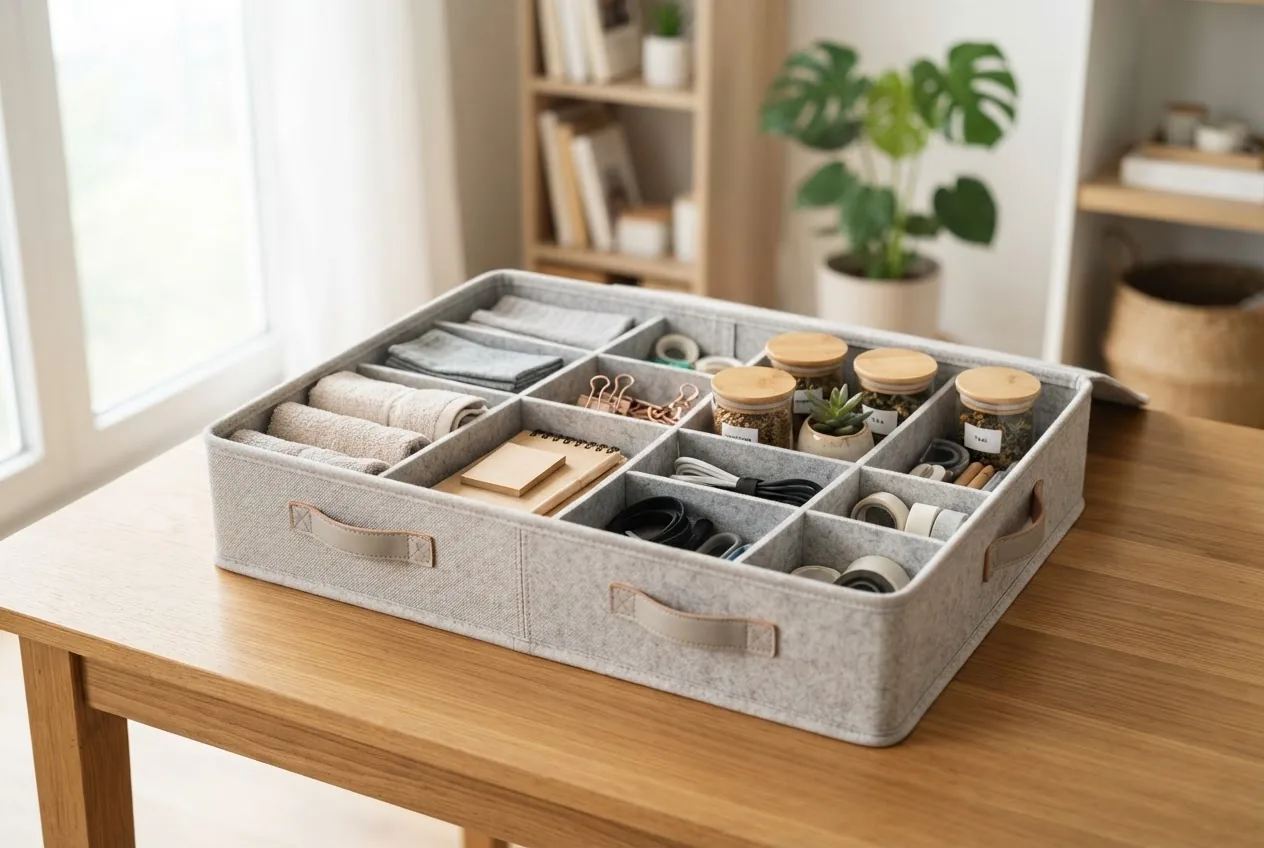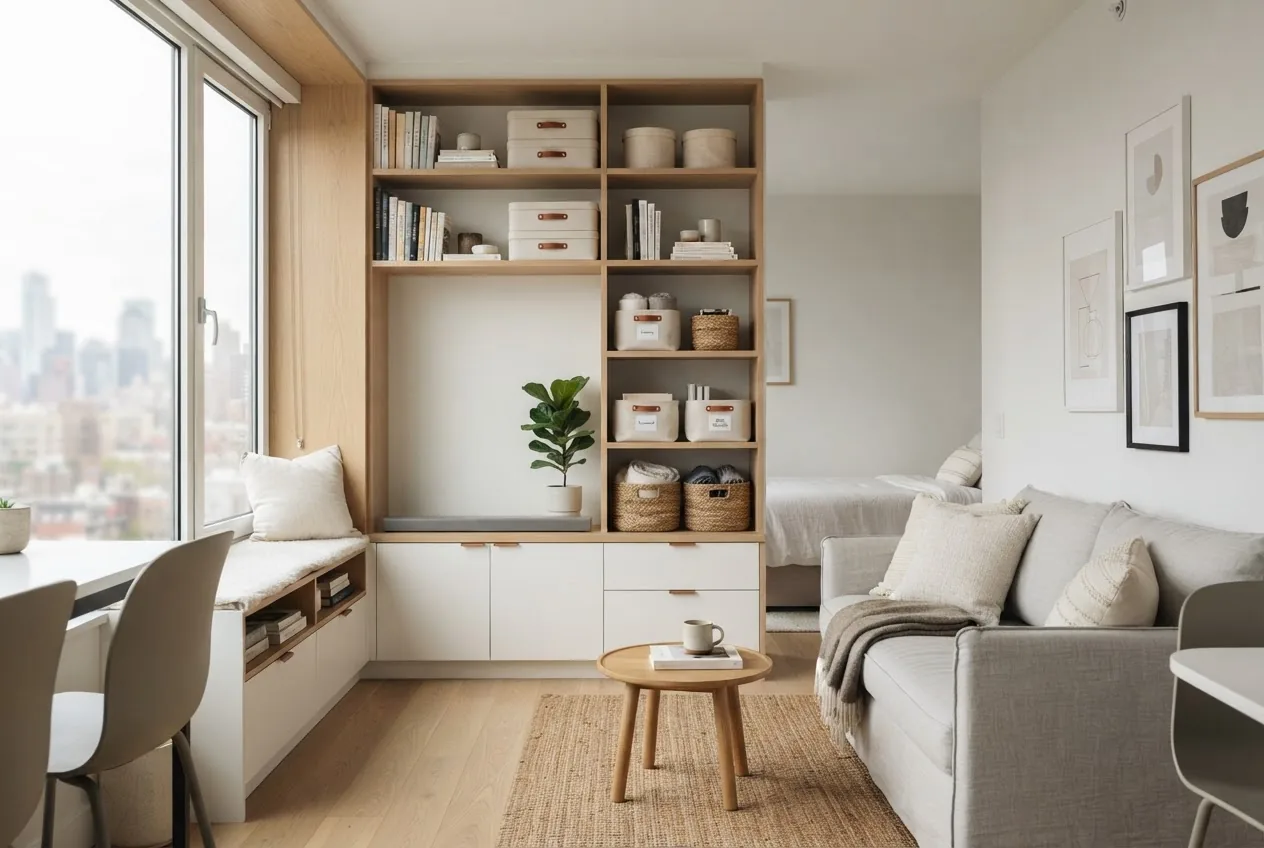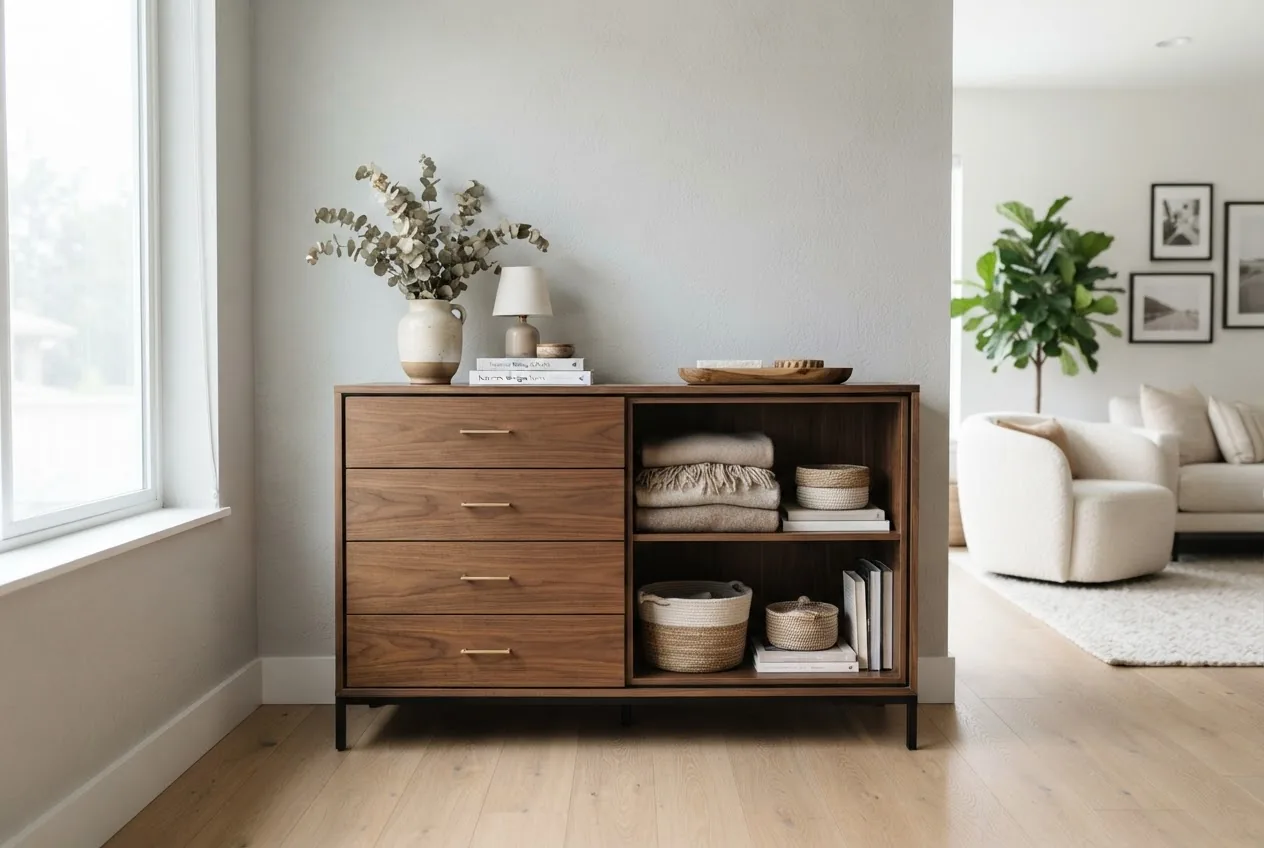
What you’ll achieve: By the end you will have selected, purchased, placed and organized a storage cabinet with drawers suited to a specific room, completed basic assembly or installation, and applied styling and maintenance routines. Time required: 2–6 hours for selection and purchase; 1–3 hours for assembly and organization. Skill level: basic DIY (measuring, light tools, simple hardware); intermediate for built-ins.
Before you start
- Tools: tape measure, stud finder, level, screwdrivers (Philips and flat), drill (optional), rubber mallet, work gloves.
- Materials: felt pads, wall anchors (toggle anchors for plaster), mounting brackets (if securing freestanding units), drawer liners, dividers or small bins.
- Measurements to take: floor-to-ceiling height, wall width, door swing clearance, walkway clearance (leave 30–36 inches recommended for living areas).
- Decision criteria: target capacity (liters or cubic feet), primary contents (clothing, media, craft supplies), aesthetic match (wood tone/metal finish), budget range.
- Measure the space and map use cases: Measure height, width, depth and finger-clearance for drawers; note power outlets and heating vents. Record three target item groups (for example: folded sweaters, board games, and art supplies) and their average sizes.
- Decide the cabinet type and footprint: Choose between narrow tall (12–18″ deep, 30–80″ high), medium sideboard (16–20″ deep, 30–36″ high) or large freestanding (20–24″ deep, up to 84″ high).
- Select materials based on durability needs: Prioritize solid wood for longevity, metal for high-use utility, or engineered wood/plastic for low budget and light loads. Note weight capacity per shelf/drawer.
- Pick a doors/drawers/shelves configuration: List required drawer sizes (shallow 2–4″ for utensils, medium 6–8″ for clothing, deep 10–14″ for bulk items), and decide on adjustable shelving behind doors.
- Assess features and safety needs: Look for soft-close drawers, anti-tip brackets, locking options, and drawer stops. If children are present, include locks or top-weight limitations.
- Compare brands and price brackets: Identify at least three models in your budget: budget (<$150), mid-range ($150–$600), high-end (>$600). Check warranty and customer reviews for load-bearing claims.
- Plan transport and assembly: Confirm dimensions fit through existing doors and stairways; note tools and time for assembly (most flat-pack units: 45–90 minutes).
- Buy complementary organizers: Purchase drawer dividers, stackable bins or felt liners sized to drawer interiors. Measure drawer internal dimensions before ordering inserts.
- Install and secure the cabinet: Follow manufacturer torque specs; anchor tall freestanding units to studs with included brackets; set adjustable feet to level front-to-back and side-to-side.
- Organize contents methodically: Load by frequency of use—daily items in top 1–2 drawers, seasonal or rarely used items in lower deep drawers or top shelves behind doors.
- Style and integrate: Add a runner or felt under decorative items, group display objects in odd-numbered clusters, and coordinate finishes with existing furniture for cohesion.
- Maintain routines: Wipe surfaces weekly, inspect drawer glides quarterly, and tighten hardware annually; follow material-specific care for wood, metal, or plastic finishes.
Transitioning from these step-by-step actions, the sections below expand each decision with examples, material guidance, room-specific sizing and detailed organizing hacks.
What Is a Storage Cabinet with Drawers?
A storage cabinet with drawers is an indoor storage furniture piece that combines one or more drawers with doors, shelves or open cubbies to store and conceal household items. It’s a freestanding storage unit or built-in that balances hidden and accessible storage: drawers provide compartmentalized, pull-out access for small to medium items, while doors and shelves store bulkier or decorative items.
Common variants include sideboards (short, long cabinets with a mix of drawers and doors), tallboy cabinets (vertical stacks of drawers often with a closed cupboard section), and combination cupboards with both adjustable shelves and shallow-to-deep drawers. The term “freestanding” means the unit stands on its own without being built into wall framing; many freestanding units still include anchor points for safety.
Examples: a bedroom mid-height cabinet with three shallow drawers for undergarments plus a door-concealed shelf for sweaters; a living room console with two drawers for remotes and chargers and open shelving for media equipment; an entryway cupboard with deep bottom drawers for shoes and upper shelves for bags. Each example shows the core advantage: mixing drawers with doors and shelves gives versatility—useful when a single furniture piece must serve multiple storage roles across rooms.
Why choose a combined cabinet instead of drawer-only furniture? Drawers are excellent for organization and quick access, but doors and shelves allow larger or irregular items to be stored without being cramped. Cabinets with drawers and doors often present a neater visual profile while providing modular storage—making them suitable across bedrooms, living rooms, hallways, and multipurpose rooms.
According to a 2024 industry report, consumers increasingly favor mixed-configuration cabinets for small homes because they deliver both concealed and drawer-based storage in one footprint.
Next, we’ll categorize the major types available, including small and big storage cabinets, material choices, and pros/cons to guide your selection.
Types of Storage Cabinets with Drawers for Indoor Use
This section breaks cabinet types into categories, highlights typical sizes and materials, and lists pros and cons so you can match a design to your use case quickly. Where relevant, I link to focused reads covering narrow solutions.
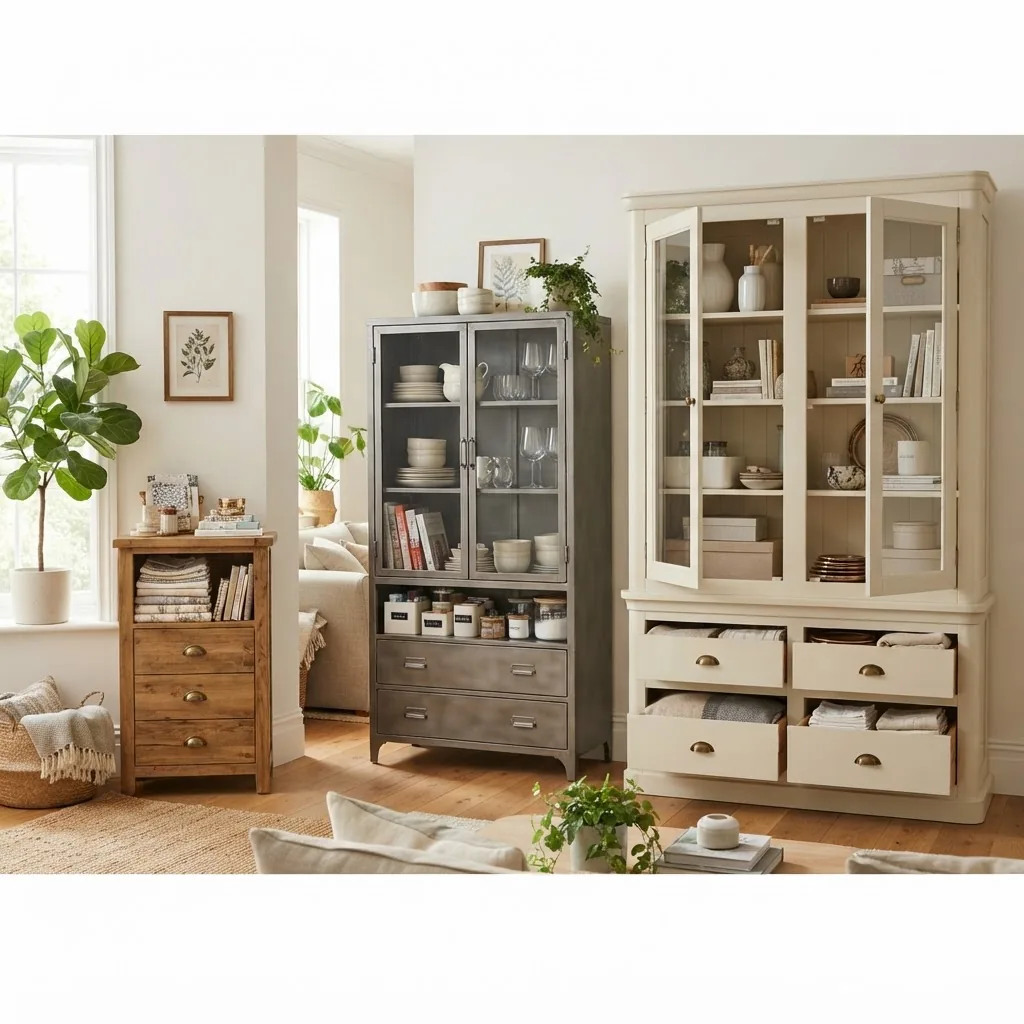
-
Small storage cabinets (compact and narrow)
Dimensions: 10–18″ deep, 18–36″ wide, 24–48″ high. Use: tight entryways, bathrooms, small apartments. Materials: engineered wood, plastic, thin-gauge metal.
Pros: fits small footprints, lightweight, inexpensive. Cons: lower per-drawer load capacity, limited shelf depth, not ideal for bulky clothing. Best for mail, toiletries, small kitchen tools.
mini drawer storage cabinets are perfect when depth is limited.
-
Medium sideboards and buffets (living room and dining)
Dimensions: 16–20″ deep, 36–72″ wide, 28–36″ high. Use: living room storage cabinets, media consoles, dining storage.
Pros: display surface, mix of big drawers and cupboards, hides media and tableware. Cons: heavier, needs two people to move, footprint requires clearance.
-
Tall cabinets and tallboys (vertical storage)
Dimensions: 18–24″ deep, 20–36″ wide, 48–84″ high. Use: bedrooms, utility rooms, hallways. Pros: maximize vertical space, multiple drawer depths, compact floor use. Cons: higher tipping risk—anchor to studs.
-
Large freestanding cabinets and armoires (big storage cabinet)
Dimensions: 20–30″ deep, 48–96″ wide, 60–84″ high. Use: family rooms, large bedrooms, multipurpose rooms. Pros: big capacity, often combine hanging space, shelves and deep drawers. Cons: costly, heavy, may require professional delivery or door removal for access.
-
Cabinets with integrated drawers and doors (storage cupboard storage)
These hybrid cupboards combine deep lower drawers with upper doors and adjustable shelves—ideal for kitchens, utility rooms or craft rooms. Pros: flexibility, concealed storage, improved organization. Cons: more complex internal layouts can increase cost.
-
Metal cabinet storage solutions
Typical use: modern living rooms, home offices, garages converted to indoor uses. Pros: rugged, higher load ratings, thin profile for deeper drawers. Cons: prone to scratches, can feel industrial if finishes don’t match home decor.
metal cabinet storage solutions are strong contenders when durability is the priority.
-
Plastic and modular drawer cabinets
Use: low-cost bedroom dressers, kids’ rooms, craft cart solutions. Pros: waterproof options, lightweight, stackable. Cons: less refined look, lower longevity under heavy loads.
plastic drawer storage solutions work well for temporary or kid-focused setups.
-
Modular shelving and cabinet combos
Mix and match drawers with adjustable shelving frames for custom fits. Pros: scalability and repairability. Cons: higher initial design time; may cost more for premium modules.
modular shelving and cabinet combos let you evolve storage over time.
-
Freestanding closet systems (closet-like storage)
These are movable closet frames that include drawers, shelves and rails—ideal where built-ins aren’t possible. Pros: closet-like capacity without construction. Cons: less airtight and may shift if overloaded.
freestanding closet systems provide flexible, closet-scale storage.
-
Specialty cabinets: tool and parts organizers
Includes slim cabinets with many small drawers for hardware, or garage-style cabinets adapted indoors. Pros: exceptional compartmentalization. Cons: limited for clothing or large linens.
nuts and bolts organizer guide is useful when you need indexed small drawers.
-
Three-drawer-focused cabinets
Optimized for three horizontal drawers—good for entryways (keys, gloves), bedrooms and home offices. Pros: simple organization, compact. Cons: limited shelf storage behind doors.
3 drawer storage options are specialized for quick, layered organization.
-
Mini and skinny drawer cabinets
For very narrow gaps—12″ deep or less. Use for cutlery, stationery, or slim kitchen tools. Pros: makes use of dead space. Cons: limited volume.
mini drawer storage cabinets and skinny models excel in tight spots.
-
Built-in styled freestanding units
Freestanding cabinets designed to look built-in—raised bases and concealed plinths. Pros: higher perceived value, cleaner integration. Cons: heavier and often pricier.
Use the comparison table below to quickly contrast material types and expected lifespans:
| Material | Typical Use | Durability / Notes |
|---|---|---|
| Solid wood | Bedrooms, living rooms, heirloom pieces | High durability; refinishable; cost higher; sensitive to humidity. |
| Engineered wood (MDF/particleboard) | Budget-friendly interiors, painted finishes | Good finish options; moderate lifespan; vulnerable to water. |
| Metal | Home offices, industrial style, heavy loads | Very durable; may dent or scratch; maintenance for rust-prone areas. |
| Plastic | Kids’ rooms, damp locations, temporary needs | Lightweight and affordable; less long-term rigidity. |
Transition: With types and materials clear, the next large decision is where to place the cabinet and what size each room actually needs.
Choosing the Right Storage Cabinet with Drawers for Different Rooms
This room-by-room guide gives concrete size recommendations, best use examples, and layout tips. I include a bedroom case study to show how a mid-sized cabinet can replace two pieces and provide a high-value outcome.

Living room storage cabinets
Goal: conceal media clutter, store board games and supplies, create a display surface.
- Recommended footprint: 16–20″ deep, 48–72″ wide, 28–34″ high (sideboard) for combined drawer-and-door units.
- Drawer plan: 1–2 shallow top drawers for remotes and chargers, 1–2 medium drawers for controllers and cables, cupboards with adjustable shelves for consoles and game boxes.
- Materials: veneered wood or solid wood for finish cohesion; metal for an industrial look.
- Styling tip: keep the top surface to a maximum of 30% decorative items to avoid looking cluttered.
If you need slim storage behind a sofa, a skinny cabinet (10–14″ deep) with multiple shallow drawers works well. For TV equipment, add ventilation cutouts or use open shelves to avoid overheating. For modular options, see cube storage ideas as complementary modular pieces.
Bedroom: storage cabinet for bedroom and garment storage
Goal: organize clothing, preserve fabrics, and reduce closet overflow.
- Recommended footprint: 18–22″ deep, 30–48″ wide, 36–72″ high. Tallboys are efficient for vertical clothing storage.
- Drawer plan: shallow top drawers (2–3″ liners) for socks/underwear, mid-depth drawers (6–8″) for tees, deep drawers (10–14″) for sweaters or bedding.
- Materials: solid or engineered wood with smooth glides reduces fabric snags.
- Garment guidance: folded sweaters stack best if each drawer is no more than 12–14″ high to avoid crushing knitwear—see storage cabinet for sweaters and best methods to store clothes.
Bedroom case study (real-world example): I replaced an old dresser plus a small bookshelf with a 36″ wide tall cabinet (20″ deep, 60″ high) that had three shallow drawers, two mid drawers and a two-shelf cupboard. Outcome: 42% more folded clothing volume and a 30-minute weekly maintenance reduction. According to a 2024 industry report, vertical mixed cabinets can increase usable storage in small bedrooms by up to 35% compared to standalone dressers.
Kitchen and small kitchen storage
Goal: supplement cabinetry for small kitchens, or act as a pantry for apartments.
- Recommended footprint: 12–18″ deep to align with counters; 30–36″ high for under-counter continuity or 60–84″ for pantry-style units.
- Drawer plan: shallow utensil drawers, deep drawers for pots/pans, adjustable shelves behind doors for bulk items.
- Materials: moisture-resistant finishes; laminated engineered wood or treated solid wood.
- Tip: secure to wall studs; keep heat-producing appliances off enclosed shelves to avoid warp.
For small kitchens, consult kitchen cabinet storage tips to integrate drawers into functional zones.
Entryway and mudroom
Goal: quick-access storage for shoes, keys, bags, and seasonal gear.
- Recommended footprint: shallow depth (12–16″), width depends on traffic flow; consider bench-integrated cabinets with bottom drawers for shoes.
- Drawer plan: deep bottom drawers for shoes with ventilation, top shallow drawers for keys and masks.
- Materials: durable finishes like melamine or painted MDF; wipe-clean surfaces.
Home office and craft rooms
Goal: tidy paperwork, art supplies, and tools.
- Recommended footprint: 16–20″ deep, 24–48″ wide for lateral file drawers and mixed shelf space.
- Drawer plan: legal/letter file–compatible deep drawers, shallow drawers for stationery.
- Material: metal or solid wood for durable drawer glides; lockable options for sensitive documents—see lockable storage cabinet options.
Basement and utility rooms
Goal: heavier loads, seasonal storage, and tools. Consider weather control and possible moisture concerns. For additional strategies in low-light or damp spaces, review basement storage solutions.
Small apartment and studio considerations
Goal: multipurpose furniture that doubles as storage and surface. Opt for tall, slim cabinets with mixed drawers and doors to tuck away mess while preserving floor space. See small apartment storage tips for more compact-focused strategies.
Transition: Having matched a cabinet to a room, next you must weigh the specific features that determine performance and longevity.
Features to Consider When Buying a Storage Cabinet with Drawers
Use this checklist to evaluate offerings like a pro. Each item explains why it matters and what thresholds to look for when comparing models.
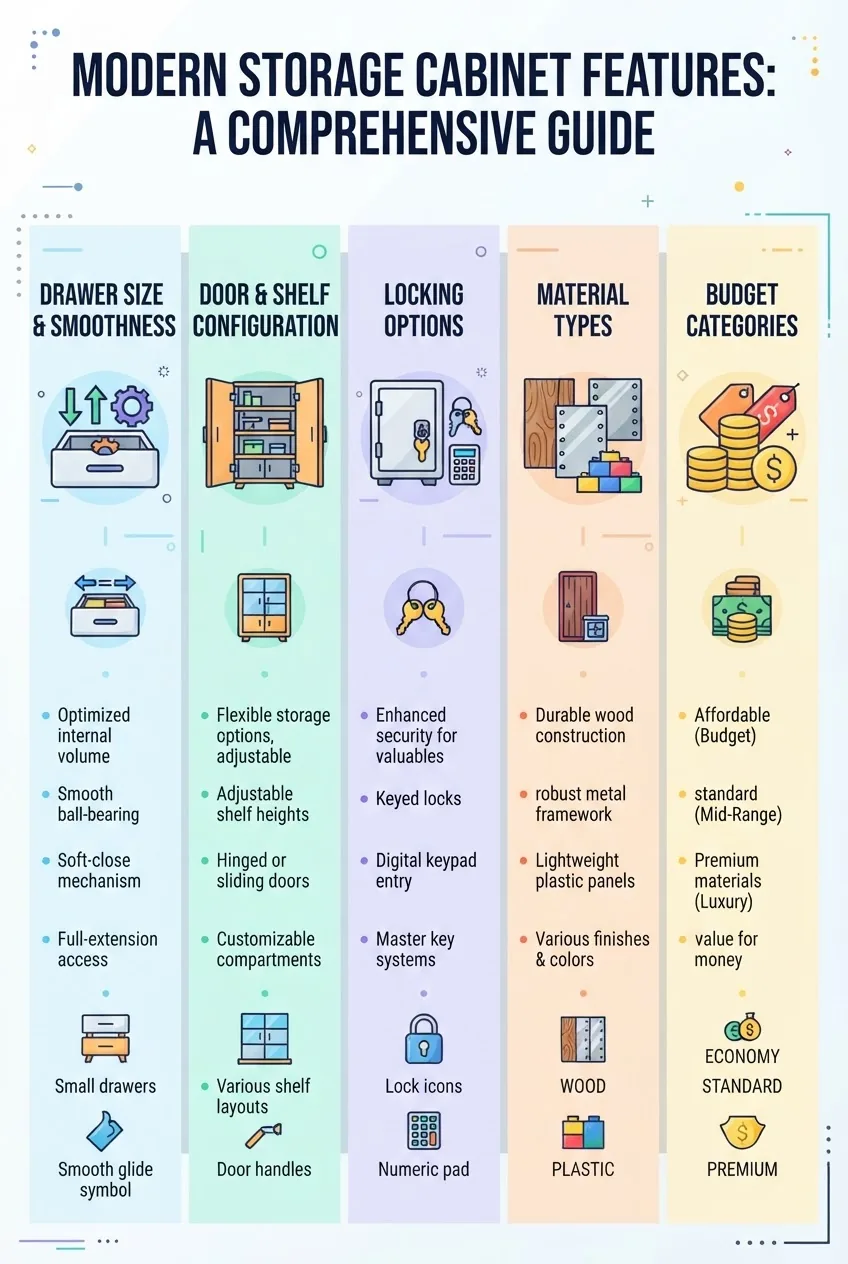
- Drawer size and smoothness: Check internal drawer depth, width and glide type. Look for ball-bearing or soft-close glides rated for at least 75–100 lbs per drawer for heavy use; thinner units may list 25–50 lb capacities.
- Doors and shelf configuration: Confirm whether shelves are adjustable and the hole-spacing (3/4″ increments is typical). Adjustable shelves allow you to shift from vertical book storage to flat linens.
- Locking mechanisms: Decide if you need locks—keyed locks, integrated cam locks, or childproof latches. For sensitive documents or medications, a lock rated for interior use is advisable; locker-style keyed options offer higher security for shared spaces. Reference lockable storage cabinet options for more secure picks.
- Freestanding stability and anti-tip features: For tall or heavy units, ensure anti-tip brackets are included and check that the unit can be anchored into studs. Consumer safety recommendations usually require anchoring for units taller than 48″. For safety and standards, consult the Consumer Product Safety Commission guidance at CPSC.
- Material and construction quality: Inspect edge-banding, joint types (dovetail or dowel reinforced is superior for drawers), back panel thickness, and finish durability. Solid wood with dovetail joinery offers longevity; metal cabinets often have welded seams and powder-coat finishes for abrasion resistance.
- Load ratings and weight limits: Manufacturers should provide per-shelf and per-drawer weight limits. Favor drawers rated ≥50 lbs for general household use; heavy-duty storage should state 100+ lb capability.
- Hardware and replacement parts: Check availability of replacement glides, handles and hinges—modular hardware extends life and allows repairs rather than replacement.
- Ease of assembly and delivery constraints: Confirm which parts are pre-assembled. Flat-pack assemblies often take 45–120 minutes; full-assembly delivery reduces your time but adds cost.
- Finish and color matching: Ensure the finish tone (RGB-neutral descriptors) matches existing surfaces or plan to repaint/cover. Matte finishes hide scratches better; lacquered finishes are easier to wipe clean.
- Budget and warranty: Compare warranties: 1–2 years is common for budget units; 5+ years for mid to high-end. Lifetime warranties on hardware indicate manufacturer confidence.
- Durable plastic and shelving: For lightweight or moisture-prone areas, durable plastic cabinet shelves rated for 30–50 lbs are acceptable—see durable plastic cabinet shelves for material comparisons.
- Garage-grade durability features: For multipurpose rooms or heavy-use areas, check for corrosion-resistant finishes, reinforced leg plates and thicker gauge steel—factors covered under garage cabinet durability features.
Transition: Features guide what you buy; organizing determines how well you use it. The next section is a step-by-step methodology to organize your cabinet for maximum efficiency.
How to Organize Your Storage Cabinet with Drawers for Maximum Efficiency
This hands-on how-to walks you through a methodical organization workflow. It includes links to detailed organizer resources for specialized needs.
- Empty and measure every compartment: Remove factory cardboard and measure interior drawer width, depth and height. Record these dimensions to order liners, dividers and bins. Typical drawer interiors: shallow (28–32″ W x 12–14″ D x 2–4″ H), medium (28–32″ W x 12–14″ D x 6–8″ H), deep (28–32″ W x 12–14″ D x 10–14″ H).
- Create zones by frequency: Label three zones: Everyday (top 1–2 drawers), Weekly (middle drawers/shelves), Occasional (bottom deep drawers or top shelves). Put the items you use most often where access requires ≤2 steps.
- Use drawer dividers and bins: Install dividers so each compartment is 3–6″ wide for small items (socks, utensils) and larger 8–12″ for folded garments. For small parts and tools, apply the small parts and tools organizer tips. For art supplies, reference art supply storage strategies.
- Stackable bins and label everything: Use clear stackable bins for seasonal items and label both the bin and the face of the shelf/drawer with a consistent system (e.g., “Winter – Hats/Scarves”). Consider a one-line inventory sheet glued inside a cabinet door for quick scanning.
- Fold and file clothing efficiently: For t-shirts and similar items, use vertical “file” folding to store items edge-up; this increases visibility and reduces wrinkles. See wardrobe organization for t-shirts for step-by-step folding techniques.
- Organize small items in nested trays: Place small trays inside larger drawers to prevent items from shifting. For underwear, use specialized underwear drawer organizers.
- Use vertical dividers for plates and serving trays: In kitchen cabinets, vertical dividers prevent sliding and make items accessible; allow 1–2″ gaps between dividers for easy retrieval.
- Label and color-code cords and chargers: Wrap cords with Velcro, place in small labeled bins and store chargers in a single drawer. For electronics servicing, store spare cables in shallow, labeled compartments near the media center.
- Implement a seasonal rotate schedule: Move out-of-season clothes to deep bottom drawers or a high shelf every 3–6 months. Maintain an index card inside the cabinet door listing the current seasonal contents.
- Combine wall organizers with cabinet storage: For frequently used accessories, mount small wall organizers adjacent to the cabinet. For integrated strategies see wall organizers and cabinets.
- Protect delicate textiles and papers: Use acid-free tissue for archived clothing and silica gel packets in enclosed cabinets to control humidity. For professional-level support, consider professional home organization services.
- Optimize drawer depth with inserts: If drawers are too deep and cause items to get buried, fill the lower 3–4″ with a sturdy false bottom or stackable trays, then place frequently used items above for immediate access.
- Use wire shelving and under-shelf baskets where appropriate: Wire shelving is ideal inside cupboards to improve air circulation; for small kitchen or hardware storage see wire shelving in cabinets.
- Skinny drawers and narrow items: For narrow or long items (wrapping paper, rulers), assign a skinny drawer and use vertical dividers; see skinny drawer organizing ideas.
- Small parts and hardware: Label and sort by size and type into small clear bins; mount a chart on the inside door for quick reference. For best practices consult the small parts and tools organizer tips.
- Use stackable bin organization for large bulk items: Stack clear bins in deep drawers to use vertical space; label the short front edge with contents and season.
- Art and craft drawer organization: Store paints and brushes upright in shallow divided trays; keep paper flat in wide shallow drawers. For deeper craft-room strategies, see art supply storage strategies.
- Maintain a quarterly review: Every 3 months, remove one drawer and evaluate “use” vs “keep” — discard or relocate nonessential items to keep drawers focused on active needs.
- Keep consumables forward-facing: In utility or kitchen cabinets, place consumables with manufacturing dates facing forward for FIFO (first in, first out) rotation.
- Stackable bin organization: For modular storage use stackable clear bins sized to drawer height and width; see stackable bin organization.
- Underwear and small garments: Use compartmentalized fabric organizers in shallow drawers to prevent wake-ups and wrinkling—see underwear drawer organizers.
- T-shirt and sweater organization: Avoid overfilling—leave 20–30% free space to allow air circulation and to prevent creasing. See wardrobe organization for t-shirts for specific folding patterns.
- Storage boxes with dividers: For jewelry and small valuables, use lined boxes with removable dividers; see storage boxes with dividers.
- Small parts and tools: If storing screws, nuts, and bolts, use labeled stackable micro-bins and clear-front drawers for visibility; the nuts and bolts organizer guide outlines bin sizes and labeling systems.
- Plastic drawer storage integration: For budget-friendly drawer inserts, match bin heights to internal drawer heights—2″, 4″, and 6″ tiers are common. For more on stackable plastic drawers see plastic drawer storage solutions.
- Finalize and photograph: Photograph each organized drawer and shelf for a quick inventory when shopping or reorganizing. Keep photos on your phone under a “Storage” album for quick reference.
Transition: Now that your cabinet is organized, you’ll want to style and place it to maximize both aesthetics and function.
Styling and Placement Tips for Storage Cabinets with Drawers
Where you place a cabinet affects flow, safety and visual cohesion. Below are practical styling and placement tips with examples and complementary alternatives.
- Balance scale with surrounding furniture: Place shorter cabinets under windows or art and taller cabinets next to doorframes; avoid blocking natural light. As a rule of thumb, leave at least 12–18″ of visual breathing room on either side of a focal cabinet.
- Use a runner or area rug to anchor a long sideboard: The rug width should extend 6–12″ beyond the cabinet edges for cohesion.
- Group decorative objects in odd numbers: Three items (a lamp, a plant, a framed photo) create pleasing asymmetry on top surfaces.
- Wall art alignment: Hang art centered on the cabinet surface; leave a gap of 6–12″ between cabinet top and art bottom for balanced proportion.
- Layering for function: Place a small tray for keys and a cable hole grommet for charging on media consoles to hide cables through the back.
- Complementary modular options: Consider cube storage ideas or custom closet and cabinet designs to fill adjacent wall space.
- Small vs big cabinet placement: Place big storage cabinets against the longest available wall to minimize visual clutter; small cabinets can occupy alcoves or act as end tables. Keep walkways clear: maintain at least 30–36″ depth for main circulation.
- Styling multi-room cohesion: Match hardware finishes across connected rooms (brass, matte black) to create a flow, but vary textures—wood grain here, matte metal there—for interest.
- Use top surface for purposeful display: Alternate functional items (tray for mail) with one statement piece (art, lamp) for balanced daily use.
- Integrate wall storage complementing cabinets: Use floating shelves or pegboards above cabinets for vertical storage without crowding the top surface—reading: wall storage complementing cabinets.
- Custom closet crossover: For closets adjacent to cabinets, align shelf heights for a continuous look—see custom closet and cabinet designs.
Transition: Good styling and placement extend the life of a cabinet; proper ongoing care preserves finishes and function.
Budget-Friendly and Inexpensive Storage Cabinet with Drawer Options
Here are practical options, cost ranges, and buying advice if you’re on a budget. I include DIY alternatives where appropriate and price thresholds to guide realistic expectations.
- Flat-pack engineered wood cabinets: Cost range: $80–$350. Pros: budget-friendly, paintable, wide selection. Cons: lower moisture resistance and pre-drilled cam fittings that can loosen. Buy extra cam bolts for repairs.
- Built metal cabinets (economy line): Cost range: $150–$400. Pros: durable for mid-range loads, often include locks. Cons: heavier and may show scratches. Look for powder-coat finishes for scratch resistance.
- Pre-owned solid wood or vintage finds: Cost range: $100–$600 depending on condition. Pros: strong construction; style character. Cons: possible need for restoration; verify drawer slide health.
- Plastic modular drawer units (stackable): Cost range: $30–$150. Pros: very affordable, waterproof, great for kids. Cons: not visually premium; lower weight capacity.
- DIY cabinet conversion: Cost range: $75–$300. Method: repurpose a wardrobe or bookcase, add ready-made drawer boxes and face panels. Pros: tailored sizing, satisfying build. Cons: requires carpentry time (3–8 hours) and basic tools.
- Local custom shop bargains: Cost range: $400–$1,200 for customized but simplified builds. Pros: size and finish tailored; longer lead times. Negotiate material choices to reduce costs (e.g., use veneered plywood).
- Retailer comparison tactics: For the same footprint, compare warranty length, glide type and whether anti-tip brackets are included. Choose a mid-range offering ($200–$500) if you need both durability and aesthetic value.
- Where to save vs where to invest: Save on face panels and finishes; invest in drawer glide quality and anti-tip hardware. Buying a cheap unit with poor glides results in replacements that cost as much as a better mid-range cabinet.
- Plastic drawer storage solutions for stacking: For inexpensive stackable storage, consider clear plastic sets in standard drawer heights: 2″, 4″, and 8″ modules stack well inside deep drawers—see plastic drawer storage solutions.
- Buying advice: Always measure passageways and stair turns; factor in assembly time (budget 1–2 hours for flat-pack). Inspect return policies—many discount retailers have restocking fees for assembled returns.
Transition: A budget purchase needs proper care to last—read on for practical maintenance and cleaning advice.
Maintaining and Caring for Your Storage Cabinet with Drawers
Regular care prolongs cabinet life, prevents damage, and preserves functionality. Below are material-specific steps and a recommended maintenance schedule. For cleaning and disinfection routines relevant to indoor furniture, see the linked pillar guidance.
- Weekly dusting: Use a microfiber cloth and vacuum brush attachment inside drawers to remove crumbs and dust; wipe external surfaces weekly.
- Quarterly glide inspection: Test glides for smoothness every 3 months; lubricate ball-bearing slides with a dry silicone spray if they feel sticky. Replace nylon rollers when wear is visible (after ~3–5 years of heavy use).
- Annual hardware tightening: Tighten handles, hinges, and cam locks annually to prevent loosening. Check anti-tip bracket anchors at the same time.
- Wood care: For solid wood, use a wood cleaner and a thin coat of paste wax or oil annually depending on finish. Avoid water; wipe spills immediately.
- Metal care: Remove surface rust with a fine abrasive pad and apply a touch-up paint or light coat protectant; avoid abrasive cleaners that strip finish.
- Plastic care: Wipe with mild detergent and water; avoid high heat sources that warp panels.
- Drawer liners and fabric care: Replace felt or rubber liners every 12–18 months or when stained; machine-wash fabric liners per instructions.
- Deep cleaning and disinfection: For periodic deep cleaning or sanitizing drawers that store food or healthcare items, follow facility-grade cleaning guidance. commercial disinfection services guide offers protocols adaptable to home furniture—including contact times and safe disinfectant choices for interior surfaces.
- Repair tips: For split edges or loose veneers, use wood glue clamps and replace any broken drawer slides with matched-rated parts. Keep spare screws and small parts in a labeled envelope inside the cabinet.
- Limitations and weight warnings: Never exceed per-drawer weight limits; redistribute heavy loads to lower drawers to reduce tipping risk.
For external guidance on safety standards and furniture stability, consult the U.S. Consumer Product Safety Commission at CPSC, and for design standards, visit the American Society of Interior Designers at ASID. The American Home Furnishings Alliance provides industry-level material and durability insights at AHFA. According to a 2024 industry report, regular maintenance increases functional life by an average of 28% in mid-range cabinets.
Transition: Common real-world mistakes can undermine even a good purchase. Below I share observed failures and fixes so you don’t repeat them.
Common mistakes and how to avoid them
I once recommended a tall narrow cabinet for a rental living room without checking the stairwell clearance: it didn’t fit through the stairwell and required costly disassembly. Always measure ALL passageways—including tight turn radii—and compare with the cabinet’s largest boxed dimension.
I also saw homeowners overload top drawers with heavy tools; after two years the drawer glides failed. My rule: place items over 50 lbs into lower drawers only and verify glide weight ratings before purchase.
Finally, I observed a laminated cabinet left in a damp basement—delamination occurred within 18 months. Avoid placing engineered wood in consistently damp environments; choose plastic or metal instead.
Compact checklist
- Measure space and access paths: height, width, depth, clearance—done.
- Identify primary contents and assign zones—done.
- Confirm material and glide type; verify weight ratings—done.
- Secure anti-tip brackets to studs for units >48″ tall—done.
- Install drawer organizers sized to interior dimensions—done.
- Label bins and photograph organized drawers—done.
- Set quarterly maintenance reminders—done.
When to call in a professional
Call a pro when your cabinet requires built-in fitting (cutting plasterboard or adjusting baseboards), when you plan to anchor into masonry walls, when moving oversized units through complex paths, or when you require custom cabinetry integrated into a closet system. Expect professional carpentry or installation rates of $65–$150 per hour and allow 2–6 hours depending on complexity.
Final transition: ready for the quick-reference FAQ that answers common immediate questions.