
By the end of this hands-on guide you will be able to identify, compare, and choose the right trash removal and waste disposal services for a residential or small commercial project, estimate costs, and set up a managed service plan. Expect to spend 2–6 hours reading and preparing, plus scheduling time; skill level required: basic homeowner or property manager competency.
Introduction to Trash Removal Services
This section explains what trash removal means, how it differs from junk or debris removal, and where it sits inside broader waste management and disposal systems. Trash removal refers to the pickup, transport, and lawful disposal of everyday waste generated by homes, businesses, and institutions. It includes curbside trash pickup, containerized collection, and transfer to disposal facilities.
Key distinctions: “trash” usually means routine household refuse; “junk removal” implies bulky or unwanted items; “debris pickup” focuses on construction or storm debris. For an expanded overview of junk-focused options before we dig deeper into trash removal specifics, see the pillar resource below.
junk removal services guide and residential pickup options
Transition: now that you understand the terminology, the next section catalogs the specific services available and what problems each solves.
-
Types of Trash Removal and Waste Disposal Services
Below are the most common service types you will encounter, with short descriptions, typical use cases, and where they fit in a waste disposal system. These are presented so you can match your project’s needs to service capabilities quickly.

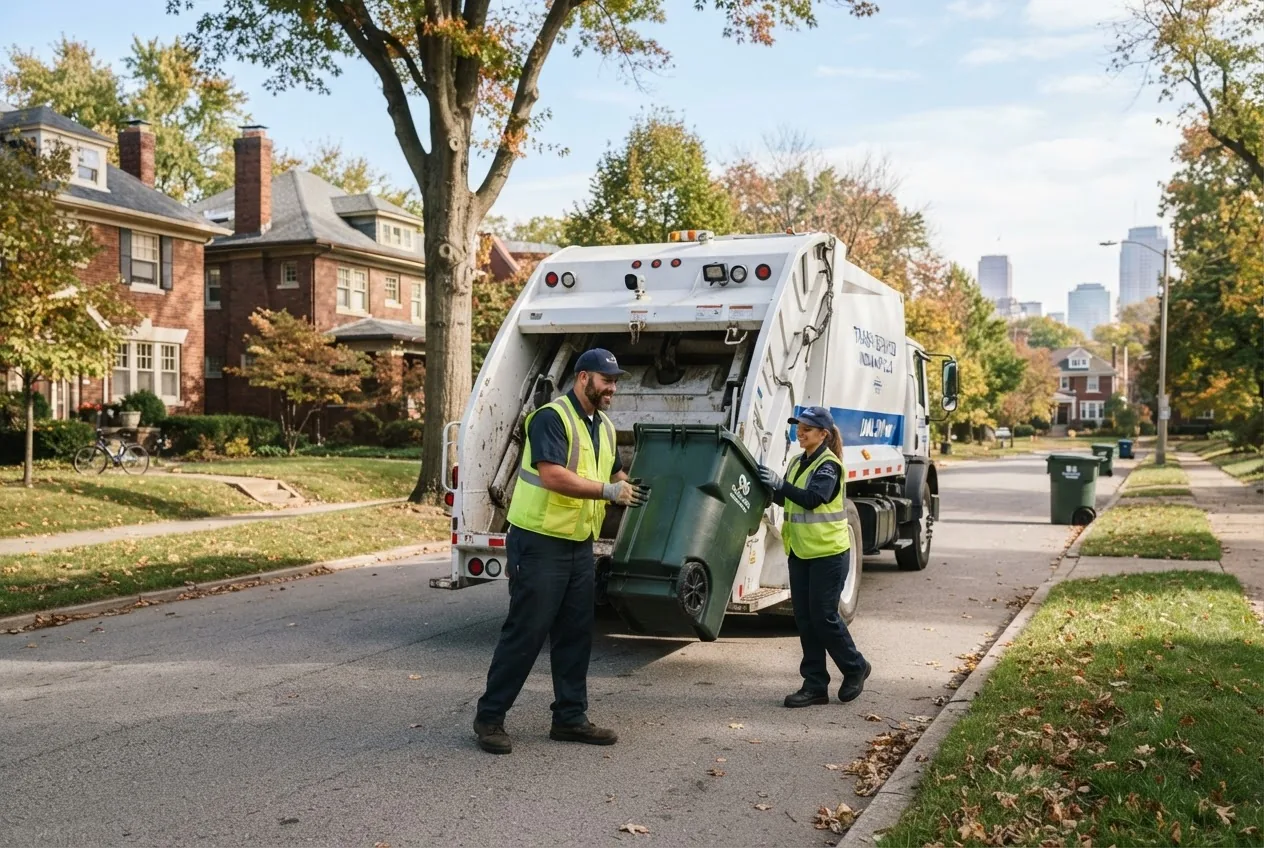
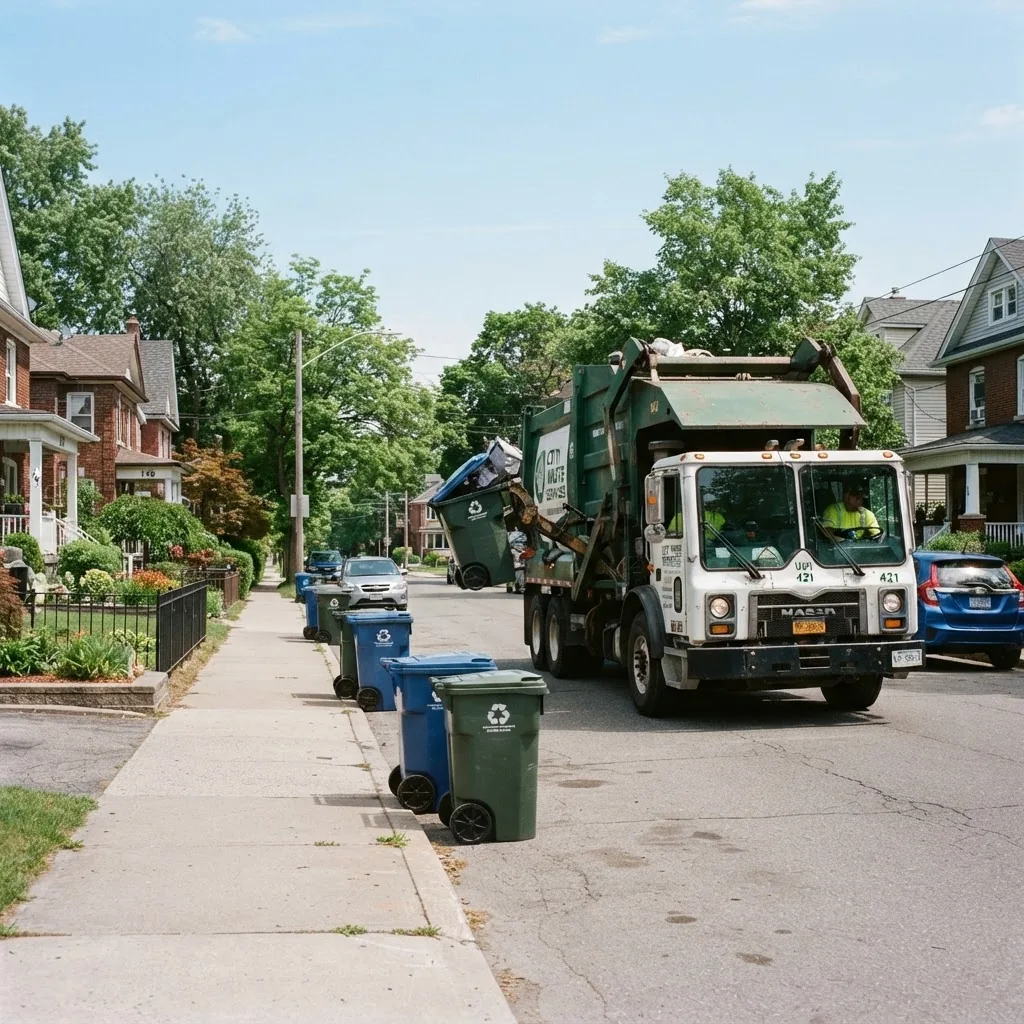
- Residential trash removal — Regular curbside pickup for household refuse and commingled recyclables, usually scheduled weekly or biweekly; ideal for families and small multi-family buildings. Municipal or private haulers collect from bins or carts placed at the curb.
- Commercial waste disposal — Service for offices, retail, restaurants and light industry that often uses dumpsters or compactor pickups. Contracts commonly specify pickup frequency, container size, and recycling streams. commercial dumpster rental services
- Debris pickup services — Short-term or project-based removal for construction, renovation, or post-storm cleanup that handles wood, concrete, and mixed rubble. Use when you need rapid clearance or a roll-off container. debris removal companies
- Hazardous waste removal — Specialized handling for household hazardous wastes (paint, pesticides, certain batteries) and industrial hazardous streams. These services comply with federal and state hazardous materials regulations and require trained personnel and manifests. hazardous waste removal rules
- Bulk and bulky-item pickup — For mattresses, couches, appliances and large furniture. Some municipalities offer scheduled bulk days; private junk haulers provide on-demand pickup, often charging by volume or item.
- Dirt and soil removal — Excavated soils or landscaping spoil are handled by specialist haulers who can deliver soil to permitted sites or recycling yards. Useful when grading, digging or demo produce excess earth. dirt removal near me
- Yard waste and green waste services — Collection or drop-off for leaves, limbs, and grass clippings. Many municipalities compost or process green waste into mulch; private services offer bagged pickup or container swaps. yard trash disposal services
- Scrap and metal pickup — Targeted collection for recyclable metal, appliances, and automotive scrap. Often paired with recycling drop-off locations that pay for commodity metals. metal scrap pickup services
- Dumpster bag and temporary container rentals — Convenient for short projects; lightweight fabric or soft-sided “dumpster bags” are placed curbside and hauled away when full. waste removal bags and rentals
- Landfills and transfer stations — Final disposal points for municipal solid waste, managed under permits and environmental controls. When specific disposal requirements apply, haulers deliver to permitted facilities. garbage landfill overview
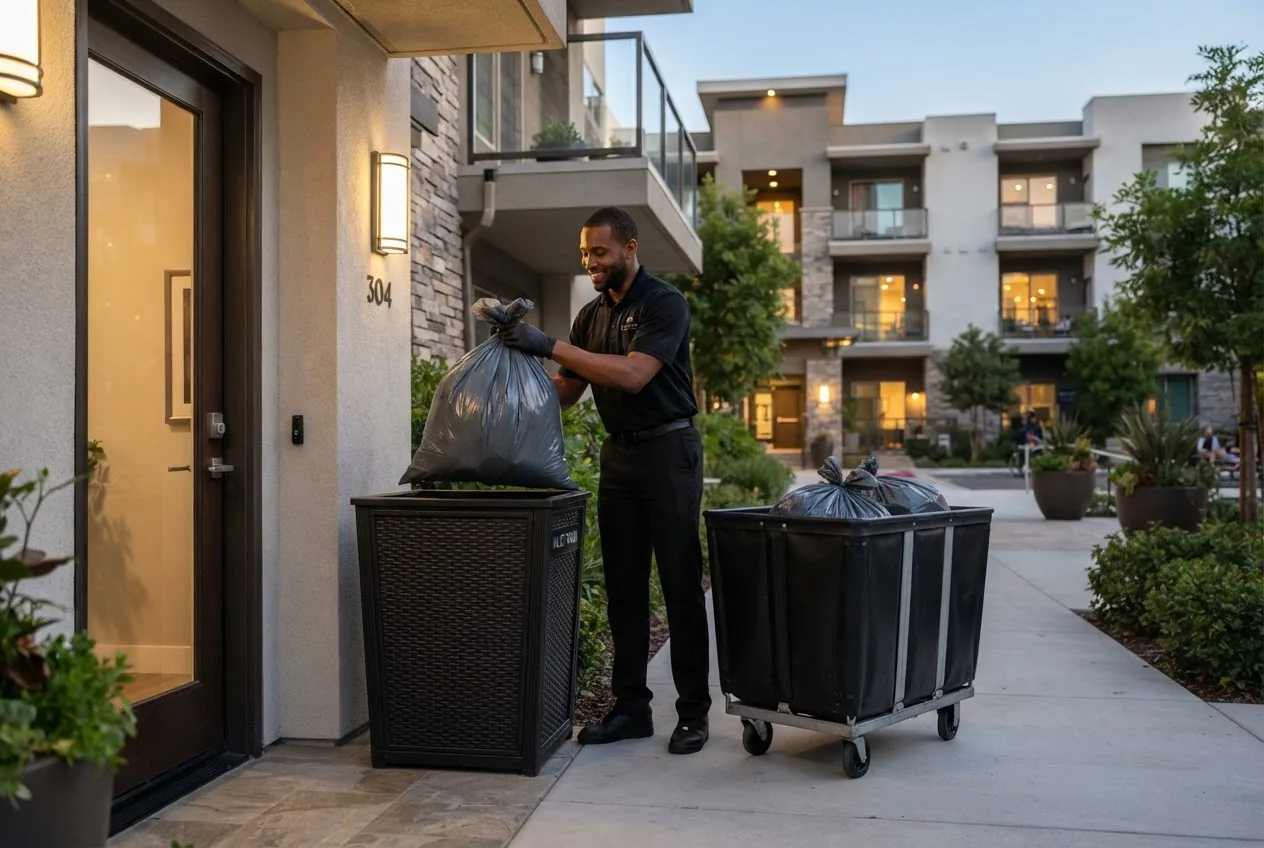
- Valet and multi-family services — Door-to-curb services for apartments and condos, often with scheduled pickups and shared containers. valet trash service convenience
- Public refuse and municipal collection — City-run crews performing curbside pickups, recycling routes, and bulk collection per published schedules. local landfill locations
- Specialty services (electronics, medical waste) — E-waste and regulated medical waste require certified handlers and documented chain-of-custody.
- Geographic or municipal variations — Cities like Las Vegas, Cincinnati, Indianapolis, and NYC have service models adapted for climate, density, and regulation. See city-specific guides for details: Las Vegas waste disposal services, junk removal cost in Cincinnati, and Indianapolis trash pickup services.
Transition: having mapped service types, we’ll next examine environmental and recycling options that reduce landfill use and may lower costs.
-
Recycling Services and Environmental Waste Solutions
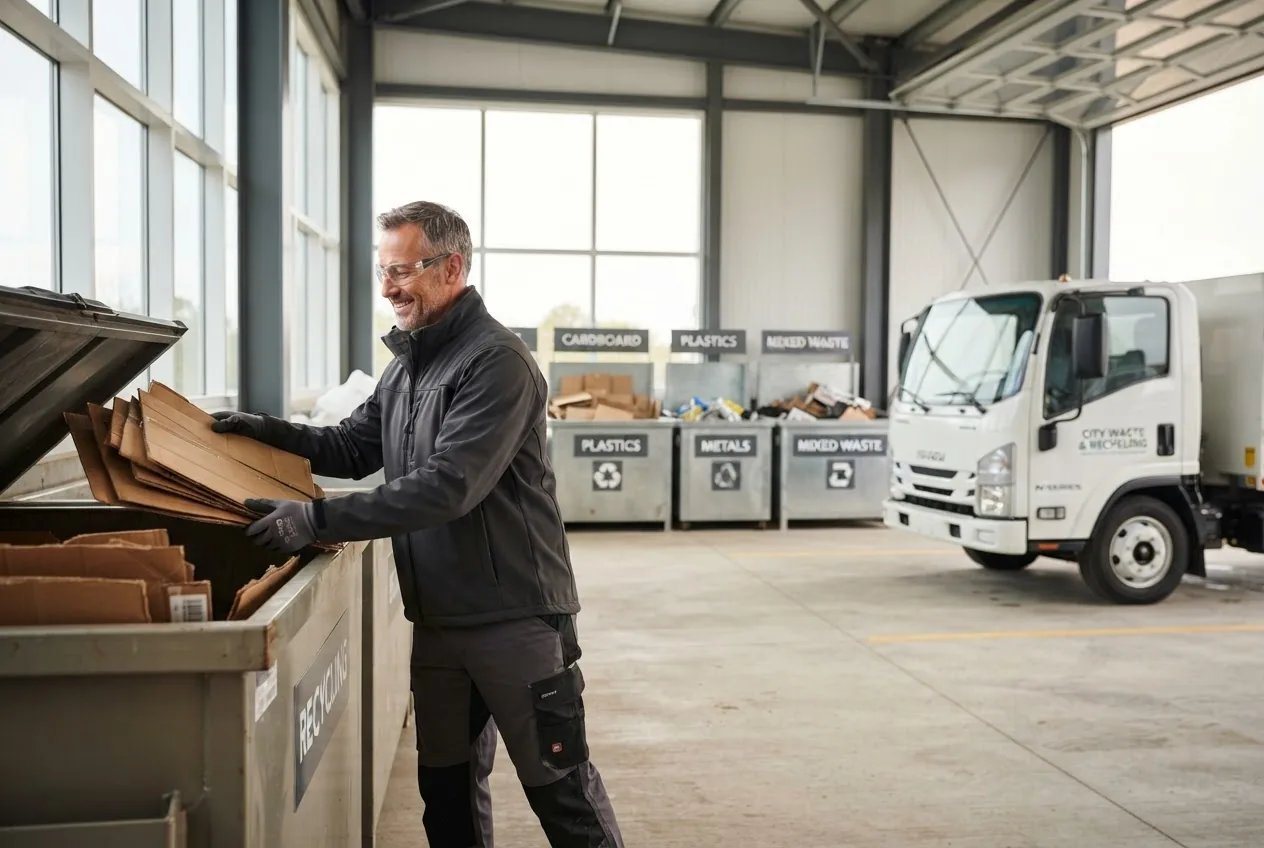
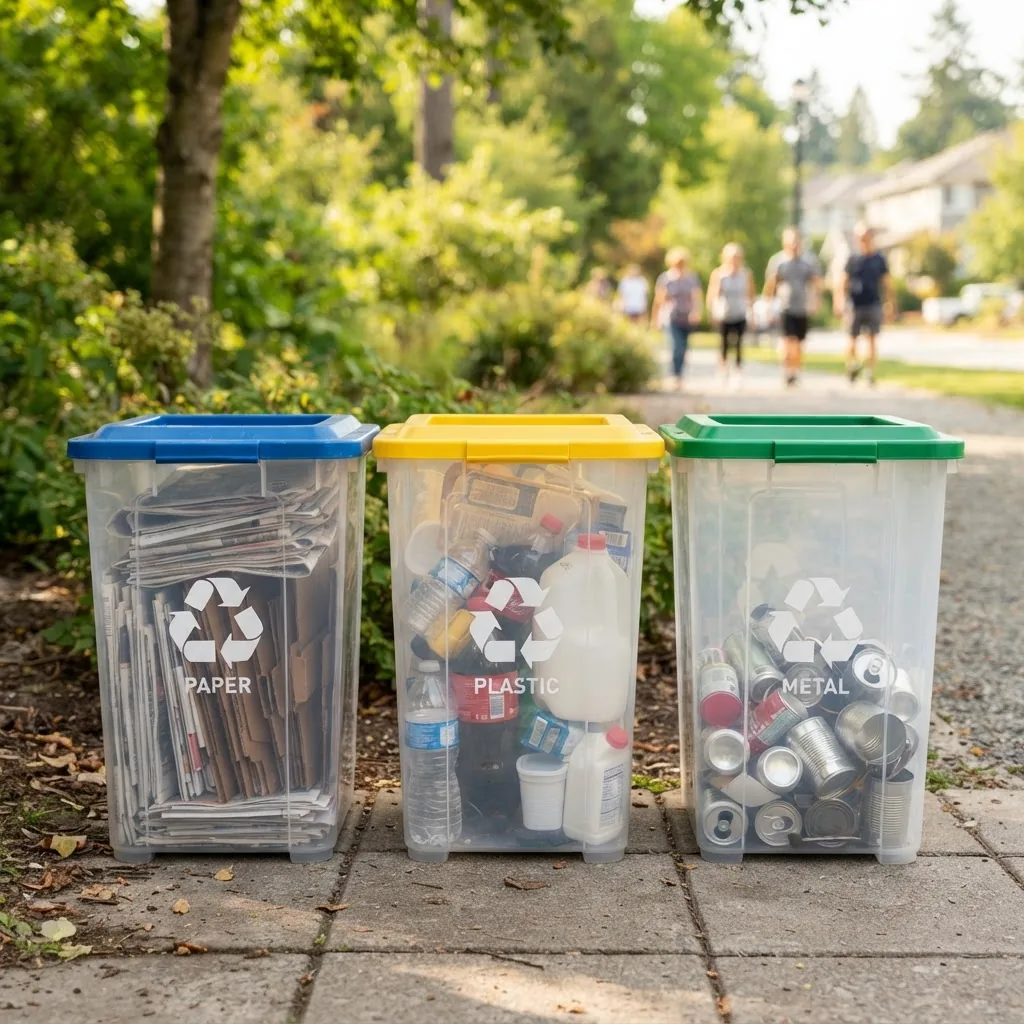
commercial recycling services and costsRecycling services are designed to divert materials from landfills by separating, processing, and returning materials to manufacturing streams. Standard municipal programs accept paper, cardboard, certain plastics, glass and metal; many commercial programs expand streams to include corrugated cardboard, food waste, and construction materials.
According to a 2023 EPA report, municipal recycling programs and waste diversion strategies reduced landfill-bound municipal solid waste by measurable percentages in jurisdictions with robust collection and processing. For technical recycling standards and accepted materials, consult the EPA guidance: EPA recycling standards.
Examples of recycling and environmental services:
- Single-stream vs. dual-stream recycling — trade-offs between convenience and contamination rates.
- Organics collection — composting food scraps and yard waste reduces methane emissions when diverted from landfills.
- Construction and demolition (C&D) recycling — concrete, wood, and metal processing to recover materials for reuse.
- Corporate/industrial recycling partnerships — large facilities often contract third-party processors for tailored commodity handling.
Benefits of prioritizing recycling and environmental waste services include lower disposal costs (when commodity markets are favorable), reduced environmental footprint, and compliance with local ordinances. For corporate recycling program design and cost models see industry references such as the Solid Waste Association of North America: SWANA, which publishes best practices and technology updates.
Transition: after exploring recycling options, we’ll step through how managed waste services operate so you can implement a plan locally.
-
How Managed Waste Services Work
Managed waste services centralize planning, scheduling, collection, and reporting so a property or municipality can reliably move waste from generation point to lawful disposition. Below are step-by-step workflow elements to set up and run a managed system.
For municipal policy details relevant to pickup operations see local examples like city garbage pickup collection details, Birmingham garbage pickup service requirements, and examples of curbside models in large cities such as NYC trash pickup options. Municipal sites also publish collection rules and container standards; check your local government website for exact pickup requirements.
-
1. Assess waste streams and volumes
Measure or estimate weekly volumes for trash, recyclables, organics, and special wastes. For a typical 3-bedroom house expect 2–3 32-gallon bags per week; commercial tenants may generate dozens of cubic yards. Accurate counts enable right-sizing of containers and schedules.
-
2. Choose container types and schedule
Select carts, bins, dumpsters or roll-offs sized to your measured volumes. Typical container capacities: 95-gallon cart (weekly household), 2–8 cubic yard dumpster (small business), 20–40 yard roll-off (construction). Set pickup frequency: residential weekly or biweekly; commercial often 2–7 times per week.
-
3. Select a hauler and contract terms
Obtain quotes that specify pickup frequency, included services (recycling, organics), escalation clauses for volume spikes, and disposal endpoints. Confirm licensing and insurance. For municipal models, contracts often include performance metrics and fines for missed pickups. public trash collection services
-
4. Implement sorting and set signage
Provide clear, durable signage for recycling streams and organics. Train staff or occupants on accepted materials. Effective signage reduces contamination by 30–50% in many programs (according to a 2022 industry pilot study).
-
5. Deploy sensor or route-optimization tech (optional)
For larger operations, install fill-level sensors on containers to enable dynamic pickups and reduce unnecessary routes. According to a 2024 industry report, sensor-based routing can cut haul miles by 15–30% in pilot cities. Integrate route optimization with hauler scheduling software for savings.
-
6. Monitor, report and adjust
Track tonnage, diversion rates, contamination, and pickup reliability monthly. Use metrics to renegotiate frequency, container sizes, or add education campaigns. Maintain manifests for hazardous or regulated wastes.
-
7. Maintain compliance and permits
Verify that disposal endpoints (transfer stations, landfills, processors) are permitted. For hazardous, electronic or medical wastes, confirm chain-of-custody documentation. Municipal regulations vary—check your local government waste department for current requirements.
-
8. Customer communications and contingency plans
Publish pickup schedules, holiday exceptions, and missed-pickup procedures. Maintain contingency providers for storm or surge events. See municipal examples like Springfield garbage pickup and Indianapolis trash pickup services.
Mini case study (experience signal): A six-unit apartment building generated overflowing carts weekly. We measured weekly volume (6–8 95-gallon cart equivalents), switched to a twice-weekly 4-yard dumpster, added labeled recycling bins, and documented a 40% reduction in overflow incidents within six weeks—saving about $90/month in overtime pickup fees.
Transition: with managed services mapped out, next is how to select the right provider nearby.
-
-
Choosing the Right Waste and Trash Removal Company Near You
Selecting a trusted hauler or service provider impacts reliability, compliance, and cost. Below are concrete selection criteria and practical checks you should perform before hiring.
Selection checklist (use as evaluation criteria):
- Licensing and permits — Confirm local hauler permits and state-level business registration.
- Insurance and bonding — Verify liability and pollution coverage limits.
- Service coverage and responsiveness — Ensure the provider covers your address and has documented response times.
- Recycling and diversion capabilities — Ask for past diversion rates and processing partners. reliable waste services
- Pricing transparency — Request written estimates showing base fees, per-pickup charges, fuel surcharges, and disposal taxes.
- References and reviews — Check client references, online reviews, and Better Business Bureau listings.
- Equipment and fleet condition — Confirm container types, maintenance schedule, and whether trucks are leak- and odor-controlled.
- Safety and compliance record — Request OSHA or driver safety stats for commercial contracts.
- Special service needs — Ensure capacity to handle hazardous, e-waste, or bulky pickups.
- Local and veteran-owned options — For community preference consider local providers or veteran-run businesses. trusted veterans junk removal services
- Budget options — If cost-sensitive, request quotes from affordable providers. affordable junk haulers near me and affordable rubbish removal options
- Valet service suitability — For multi-family properties, confirm valet trash pickup convenience and pricing. valet trash service convenience
Transition: once you understand selection criteria, compare cost models and typical charges to estimate your project’s budget impact.
-
Cost Considerations and Pricing Models in Trash Removal
Pricing varies by service type, frequency, volume, and local disposal fees. Below is a compact comparison of common cost types and influencing factors so you can budget accurately.
Cost type Typical range Major influencing factors Residential monthly subscription $10–$60/month Service frequency, cart size, municipal fees Commercial dumpster rental $200–$800/month Dumpster size (2–8 yd), pickups/week, compaction Roll-off container (construction) $300–$1,200 per drop (plus tonnage) Container size (10–40 yd), haul distance, tonnage On-demand junk haul $100–$900 per load Item type, labor, disposal location, recycling credits Hazardous waste pickup Contract pricing, manifests required Regulation, packaging, transport class Dumpster bag rental $50–$250 per bag Bag size, pickup logistics Key pricing drivers to watch:
- Volume and weight — Roll-offs and some dumpsters charge by ton; heavy materials like dirt or concrete increase fees significantly.
- Disposal tipping fees — Local landfill or transfer station fees vary by region and are often passed to customers.
- Recycling credits — Some materials (metal, certain plastics) can offset costs when markets are strong.
- Service frequency and contract length — Longer contracts generally reduce per-pickup cost.
- Hidden charges — Fuel surcharges, special handling fees, contamination penalties, and after-hours pickups.
For dumpster-specific pricing see dumpster rental costs. For commercial perspective and regional examples, review commercial cost guides such as commercial junk removal costs and junk removal cost in Cincinnati.
Transition: next we address common on-the-ground challenges and practical fixes you can apply immediately.
-
Common Trash Removal Challenges and Solutions
Below are typical problems encountered in trash removal operations and field-tested solutions from practitioner experience.
- Bulky item disposal — Problem: large furniture and appliances cause contamination and curb clutter. Solution: schedule a bulky-item pickup or use a private junk hauler; for mattresses and appliances check local drop-off rules and charges. furniture disposal guide
- Hazardous materials handling — Problem: paint, solvents, and certain batteries cannot go in regular trash. Solution: use certified hazardous waste carriers and documented manifests; consult state and federal rules and local HHW events. hazardous waste removal rules
- Illegal dumping and contamination — Problem: unauthorized dumping increases costs and violations. Solution: install surveillance or signage, enforce fines, and work with municipal code enforcement. For rules on using public dumps correctly see public dump requirements
- Debris pickup after storms or demolition — Problem: sudden spikes in volume overwhelm schedules. Solution: pre-arrange surge contracts with roll-off vendors; prioritize safety and separate hazardous items before removal. holiday trash pickup schedules
- Missed pickups and scheduling confusion — Problem: missed pickups lead to complaints and overflow. Solution: maintain a notification system, confirm pickup windows (e.g., trucks arrive 6–10 AM), and have contractors commit to SLAs in writing.
- Heavy or dense loads — Problem: soil, concrete, and masonry increase per-ton fees. Solution: segregate heavy materials into separate roll-offs and use specialized haulers to avoid cross-subsidizing by other tenants. landfill near me guide
- Permitting and local rule violations — Problem: improper disposal can result in fines. Solution: consult municipal waste departments and require proof of disposal. Reference municipal guidance for collection operations on official sites such as public trash collection services and local ordinances.
Transition: adopt the following practical habits to reduce issues and lower overall waste costs.
-
Tips for Effective Trash Disposal and Waste Reduction
This section gives actionable, step-by-step habits that reduce volume, increase recycling rates, and improve compliance. For community cleanup partnership ideas see local spring cleanup options.
- Sort at source — Place labeled bins for recyclables, organics and trash. Set weekly collection cues: organics in sealed bags, recyclables flattened and dry, trash in tied bags. This reduces contamination rates by up to 30% (according to a 2022 municipal pilot).
- Reduce and reuse — Buy in bulk, avoid single-use items, and donate usable items. Reuse reduces waste tonnage directly: aim to cut household waste by 20% in 6 months through targeted reuse campaigns.
- Compost food scraps — For households, small countertop bins and a home compost pile handle up to 25% of kitchen waste by weight. For multi-family properties, contract community organics pickup.
- Schedule bulk pickups strategically — Combine bulky-item disposal into one monthly pickup to save per-item service fees.
- Leverage drop-off centers — Use recycling drop-off locations for items not accepted curbside; see local listings for accepted materials. recycling drop off locations
- Educate occupants and staff — Run quarterly reminders about what’s recyclable, hazardous, or compostable; place visuals on bins to reduce contamination.
- Audit and adjust — Conduct a quick 30-minute waste audit quarterly: count items in typical bags, note contaminants, and adjust signage or service frequency accordingly.
- Participate in community programs — Join or sponsor local clean-ups, which can reduce neighborhood litter and support recycling streams. For community cleanup resources see local spring cleanup options.
Transition: finally, consider how technology and policy are reshaping the field so you can plan long-term improvements.
-
Future Trends and Innovations in Waste Disposal Services
Technological and regulatory trends are changing how trash removal and waste services operate. Expect more sensor-driven collections, expanded organics programs, and circular-economy incentives.
Emerging technologies and examples:
- Smart sensors on containers that trigger pickups when fill-levels reach 70–80%, reducing empty-route pickups by 15–30% (2024 industry report).
- Automated sorting facilities using optical sorters and AI to increase material recovery and reduce labor costs.
- Increased organics processing infrastructure driven by municipal regulation and methane reduction targets. EPA publishes organics management guidance and case studies.
- Extended producer responsibility (EPR) policies shifting end-of-life costs back to manufacturers, incentivizing design for recyclability.
Policy and market drivers: regulatory pressure, commodity pricing, and public demand will push haulers and municipalities toward higher diversion rates and transparent reporting. Industry associations provide implementation frameworks—see resources from SWANA for best practices.
Transition: after reviewing future directions, use the final section to consolidate key takeaways and next steps.
-
Conclusion and Key Takeaways on Trash Removal Services
By now you’ve mapped major service types, recycling and environmental options, managed service workflows, and cost drivers. Key takeaways: 1) Measure volumes before selecting container sizes and service frequency; 2) Prioritize source sorting to lower contamination and cost; 3) Verify licensing, insurance and disposal endpoints; 4) Use technology—sensors and routing—when scale justifies the investment. Check local rules and consult municipal websites for exact requirements before changes. If you are ready, request 3 competitive quotes and schedule a trial period of 30–90 days to evaluate provider performance.
Before you start
- Prerequisites: basic knowledge of your property’s waste volumes and access points.
- Materials and tools: clipboard or spreadsheet, camera for documenting volumes, tape measure for container placement, sample trash/recycling signage.
- Documents to gather: current service contracts, recent waste bills (3 months), and any municipal recycling guidelines.
Hands-on Steps
- Measure your waste — Track 2 weeks of daily waste and recyclables: record bag counts and estimate cubic feet. Use counts to choose 95-gallon carts, 2–8 yard dumpsters, or roll-off sizes. Target accuracy within ±15% for initial sizing.
- Map pickup access — Measure driveway widths, gate clearances, and turning radii: minimum 12-foot clearance for most collection trucks; 8-foot gate minimum for smaller trucks. Mark safe placement with chalk or tape.
- Request three detailed quotes — Ask vendors for base fee, per-pickup cost, disposal tipping fees, fuel surcharges, and minimum contract length. Require proof of license and insurance before signing.
- Pilot the solution — Implement for 30–90 days, track overflows, missed pickups, and diversion rates. Meet weekly with staff to adjust signage or container placement.
- Formalize SLA and reporting — Include pickup windows, missed-pickup remedies, contamination surcharge thresholds, and monthly diversion reporting in the contract.
- Schedule audits — Quarterly 30-minute waste audits to sample contamination and adjust education or collection strategies.
Common mistakes and how to avoid them
I once accepted the cheapest dumpster quote without confirming tipping fees; after one heavy load of concrete the bill tripled. Now I always request written tipping fee estimates and container weight limits. I also learned to insist on manifest copies for hazardous or special wastes to avoid compliance surprises.
Checklist before you finish
- Measured 2-week waste volumes and chosen container sizes.
- Obtained 3 written quotes with fee breakdowns.
- Verified hauler licensing, insurance, and disposal endpoints.
- Set pilot start and review dates for 30–90 days.
- Posted clear signage and scheduled occupant training.
When to call a professional
Bring in a professional waste consultant when your facility generates >10 cubic yards/week, handles hazardous streams, or requires complex permit compliance. Also, call a pro if you face repeated contamination over 20% or regulatory notices from local environmental authorities.