
Garbage man service mastery: by the end you will be able to explain a collector’s role, follow core residential collection requirements, and prepare waste so pickups are reliable. Plan 60–90 minutes of reading and 15–60 minutes of household prep; skill level: beginner to practical home manager.
Before you start
- Prerequisites: basic knowledge of your local collection day and curbside rules (check your municipal or service provider notices).
- Tools & materials: standard curbside bins (32–96 gallon), clear plastic or paper yard-waste bags, heavy-duty trash bags (30–55 gallon), a permanent marker for labeling, gloves, and a broom.
- Contacts to have ready: your trash hauler’s phone/email, local recycling drop-off info, and the nearest hazardous waste disposal site.
Core steps: Hands-on checklist to optimize garbage man pickup
- Learn the basic role first: Read the day-to-day duties of garbage men so you know what to expect during a collection.
- Confirm service schedules: Verify your pickup frequency and any holiday adjustments with your provider before setting a routine.
- Standardize containers: Use the proper-sized bin and label it; rotate lids closed and keep wheels facing street.
- Sort at the source: Separate recyclables, organics and trash using clear bins and follow local sorting rules.
- Secure all waste: Bag loose debris, tie yard-waste bundles to 4-foot lengths, and break down cardboard to fit in the bin.
- Set out on time: Place bins by curb no earlier than 12 hours before and no later than 6 a.m. on collection day unless local rules differ.
- Report misses quickly: If collection is skipped, document placement time and contact your provider by noon the next business day.
- Use alternatives for prohibited items: For hazardous, electronic or bulky items, schedule specialty pickup or visit a designated drop-off.
- Keep the path clear: Remove obstacles, snow, or ice from access routes to prevent delays and injuries to collectors.
- Communicate changes: Notify your provider of construction, excess waste, or special pickups at least 48–72 hours in advance.
Understanding the Role of a Garbage Man
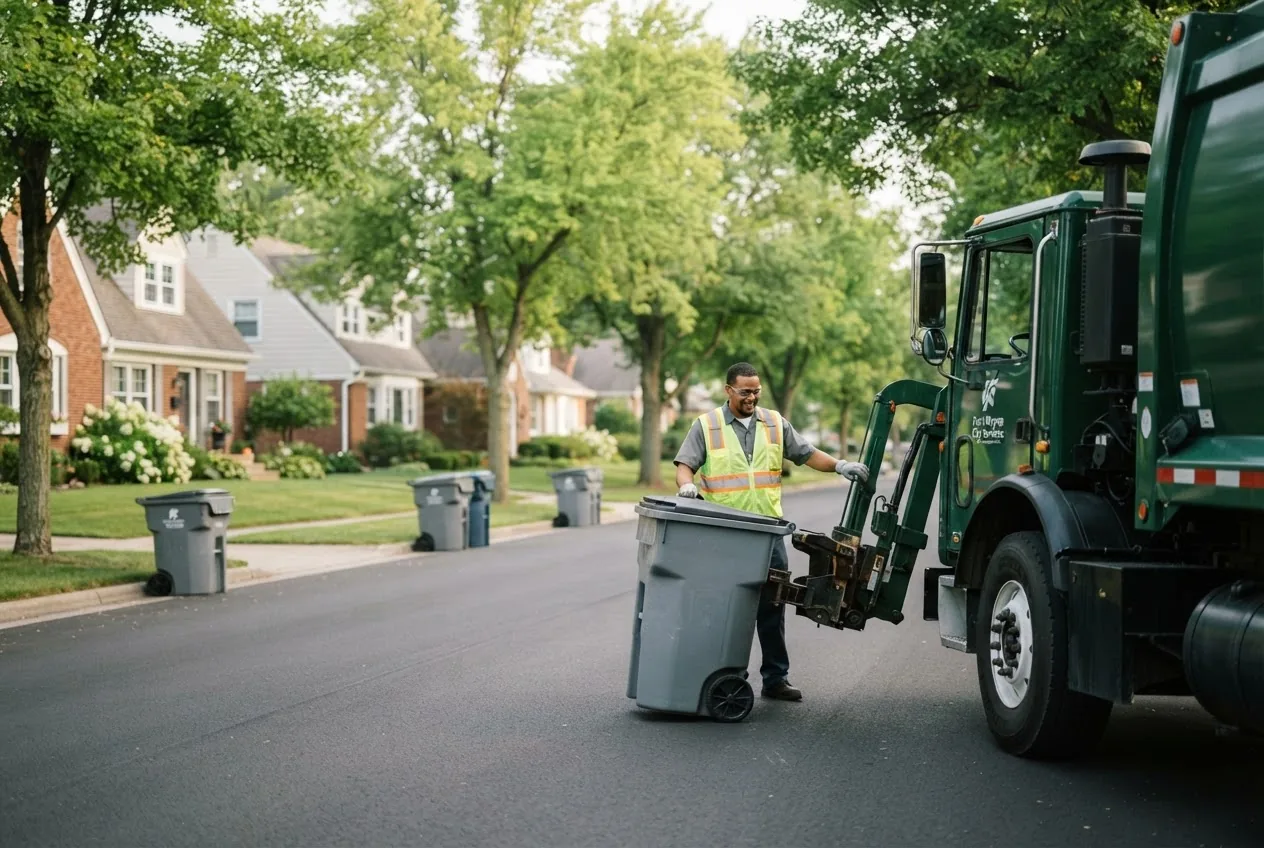
Garbage man (also called a garbage collector or sanitation worker) is the on-the-ground professional responsible for curbside trash removal, basic sorting enforcement, and safe transport of municipal or contracted residential waste to transfer stations or processing facilities. Garbage collectors perform a mix of manual and mechanized tasks across a typical shift of 6–10 hours depending on route size and local service models.

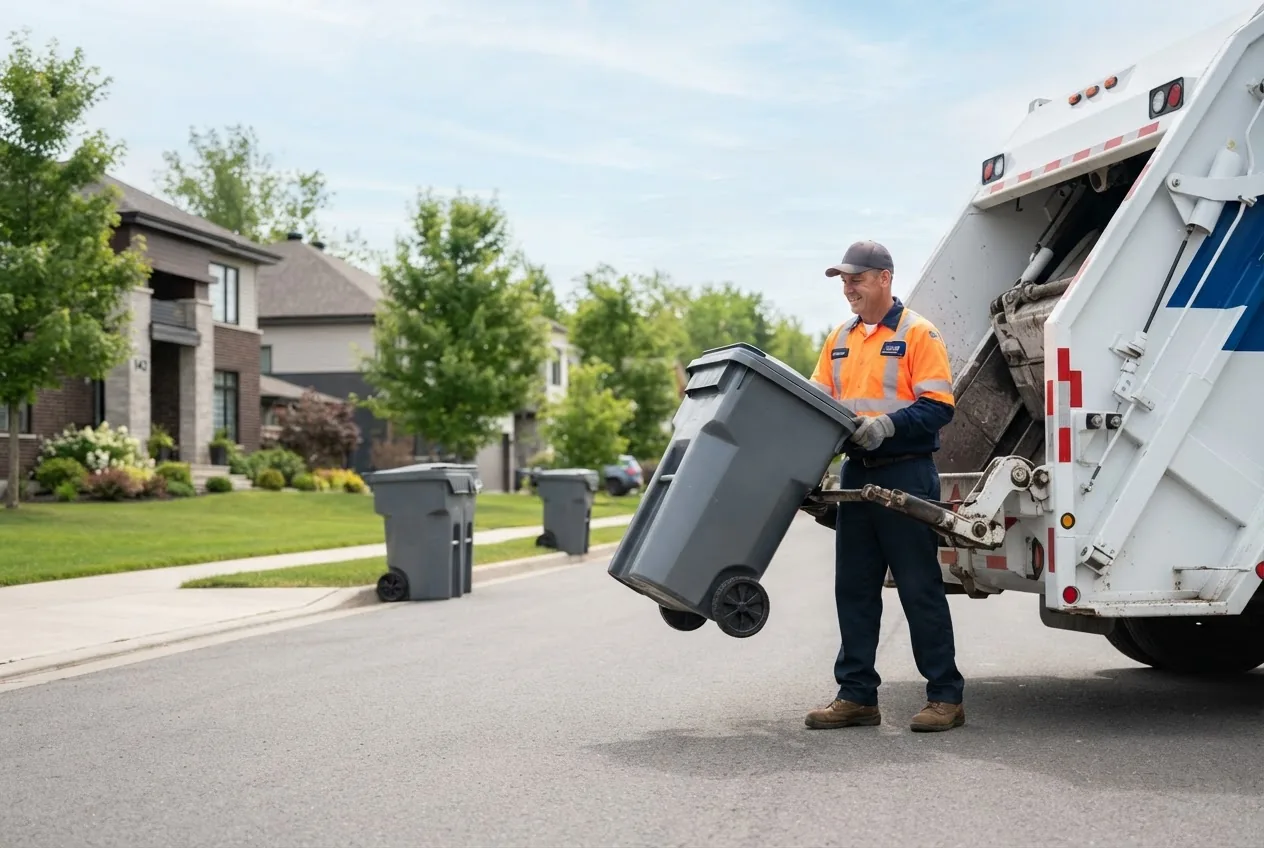
Typical day-to-day duties include: driving or riding on collection trucks, operating hydraulic lifts to empty carts, hand-loading unusual or improperly placed bags, recording blocked access or contaminated loads, and reporting hazardous materials. For example, a collector on a 5-mile suburban route might empty 400–700 bins in a morning, handling both mechanical lifts and 10–25 manual emptyings for nonstandard containers or bundled items.
Examples of responsibilities broken down:
- Route execution: follow a sequenced route sheet or GPS-guided path to maintain schedule and service frequency.
- Customer service: leave notices for missed pickups, contamination, or safety hazards — collectors often log these for the office.
- Onboard maintenance: check hydraulic systems, secure loads, and ensure safe parking when servicing narrow streets.
- Record keeping: note full or contaminated bins and escalate repeat violations when necessary.
Garbage collectors are frontline sanitation workers whose job is physically demanding and tightly scheduled. Their role intersects with wider waste-management systems — transfer stations, recyclers, composters — which means collectors’ actions (like rejecting contaminated bins) affect downstream processing and recycling rates.
Transitioning to operations: now that you understand the front-line role, the next section explains how services are organized so you can align household behavior with collection logistics.
How Garbage Man Services Work: An Overview
Understanding the pickup process helps you plan placement and timing so your household doesn’t create unnecessary delays or safety risks. Below is a stepwise overview of the typical waste pickup process followed by municipal and private haulers.
city garbage pickup service details often outline routes, boundaries, and contingency plans for holidays or weather.
- Service planning and routing: Haulers create routes optimized for time and fuel using route-planning software or fixed-route sheets. Routes balance bin volumes, truck capacity (typically 10–30 cubic yards), and labor availability.
- Vehicle and crew assignment: Trucks (rear-loaders, side-loaders, automated collection vehicles) are assigned based on container type; automated trucks require standard carts for mechanical arms.
- Collection day execution: Crews start at a scheduled time (often 5–7 a.m.) and progress along the route. Automated trucks can service 600–1,200 stops per day depending on density; manual crews handle irregularities.
- On-route problem handling: If bins are contaminated, obstructed or contain prohibited materials, the collector places a tag and records it via mobile device or written log.
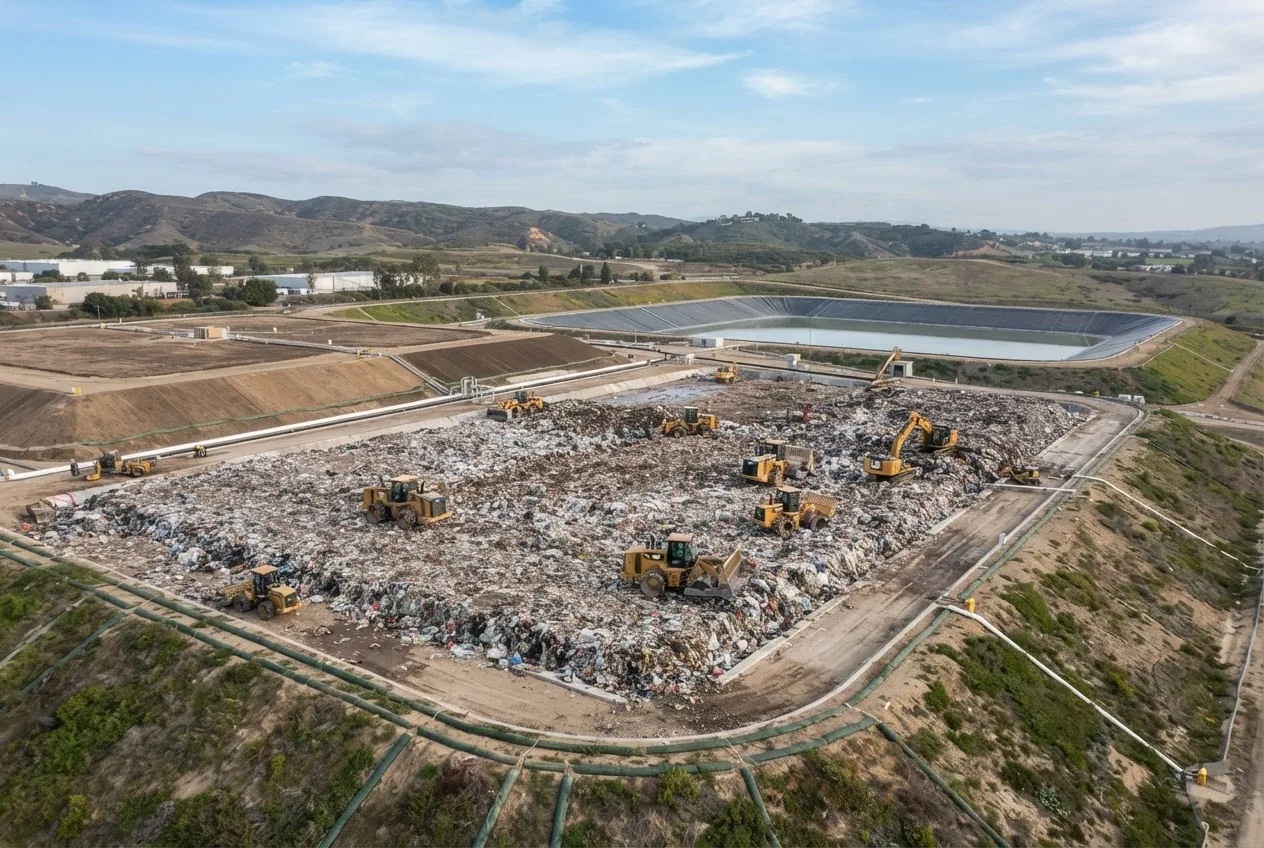
- Transfer and sorting: Full truck loads go to a transfer station or MRF (materials recovery facility) where recyclables are separated; residuals move to landfills or energy-from-waste facilities.
- Exception handling and follow-up: Missed pickups, bulky items, or hazardous materials are scheduled for special collection or redirected to drop-off centers.
- Billing and service updates: Municipalities or private haulers update accounts, notify customers of service changes, and plan seasonal adjustments (e.g., leaf pickup).
Key service frequency models:
- Weekly trash pickup with biweekly recycling: common for suburban residential routes.
- Twice-weekly pickup in denser urban areas or for apartment complexes with heavy waste generation.
- On-request bulky pickup: scheduled by appointment with size or weight limits.
Factors affecting punctuality: route density, truck breakdowns, staffing shortages, special events, and severe weather. If you need municipal specifics, see local guidance and service windows; private providers publish service-level agreements and contact info for exceptions.
trusted waste pickup services typically post service maps, holiday schedules, and preferred container lists to reduce route interruptions.
Transition: now that you know how services operate, next is a step-by-step practical guide for getting your residence ready so garbage men can collect efficiently and safely.
Residential Garbage Collection Requirements and Best Practices
This section is the hands-on playbook for residents who want predictable, problem-free curbside collection. Follow these step-by-step preparation and placement rules every collection day.
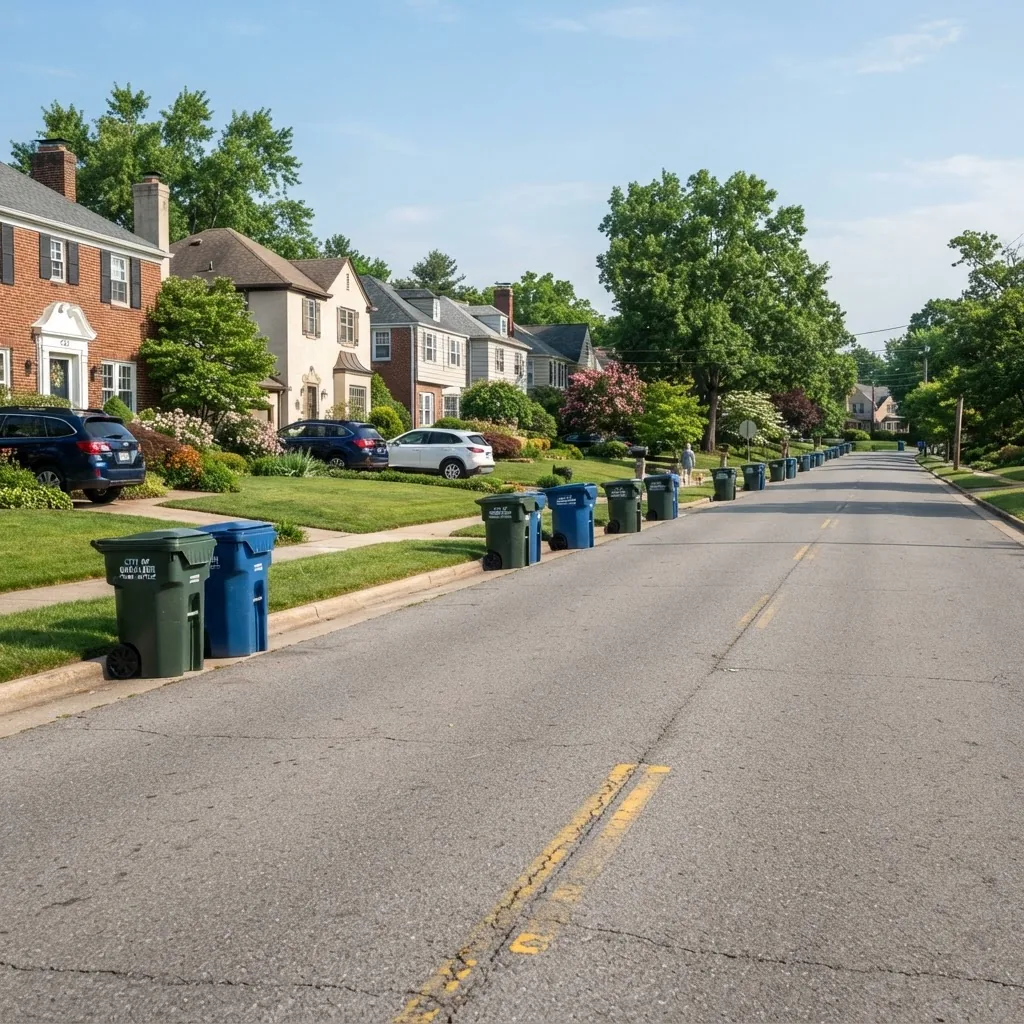
Step 1 — Know container requirements
- Choose the right bin size: Use the municipal or hauler-approved cart size — most services accept 32–96 gallon carts; automated trucks usually accept 64 or 96 gallon wheeled bins.
- Label or color-code: Mark bins with address or unit number using a permanent marker or a durable sticker sized at least 2″ x 4″.
Step 2 — Sort and segregate waste
Waste sorting and segregation means separating recyclables, organics and trash at the source:
- Recyclables: rinse and dry containers, flatten cardboard. Place in the recycling cart or specified bag.
- Organics/yard waste: use paper or designated compostable bags; tie branches into 4-foot bundles not exceeding 50 lb.
- Trash: double-bag sharp or wet waste, and use heavy-duty bags for food waste to prevent leaks.
Step 3 — Placement & timing rules
- Curb placement: Place bins at the curb with wheels facing street, about 2–3 feet from mailboxes, utility poles, or parked cars. Leave 3 feet clearance between bins so mechanical arms have room.
- Timing windows: Place bins no earlier than 12 hours before pickup and retrieve them within 12 hours after collection where rules specify; if local rules differ, follow those.
- Driveway rules: Do not block sidewalks or alleyways; if your service specifies alley pickup, place bins at the alley edge instead of curbside.
Step 4 — Prepare for odd items
- Bulky items: schedule separate bulky pickup or use junk removal services and residential pickup options. junk removal residential pickup options
- Electronics & hazardous materials: never place in curbside bin; arrange specialized collection or drop-off per hazardous protocols.
Birmingham garbage pickup service requirements provides a city-level example of container sizing, setout times and bulky-item rules if you want a model to compare with your own locality.
Step 5 — Contamination control and labeling
- Minimize contamination: Keep food and liquid out of recyclables; a single soiled pizza box can contaminate an entire bag. Clean recyclables in under 10 seconds — a quick rinse is sufficient.
- Use visible notices: If you have a special pickup scheduled, tape a printed notice to the bin lid indicating the date and contact number.
Step 6 — Weather and animals
- Prevent wind scatter: weigh bags or use heavy-duty bins; place bin lids secured with bungee straps if you expect high winds.
- Animal-proofing: use bungee cords or locking mechanisms where allowed; avoid leaving food waste loose overnight.
Step 7 — Communication and escalation
- Report missed pickups: Photograph bin placement with a timestamp and call/email your provider before noon the next business day to request a catch-up pickup.
- Keep records: Track repeat missed pickups for three weeks before requesting escalation to municipal oversight to establish a pattern.
Step 8 — When you need extra capacity
- If you routinely exceed bin volume (more than two overflow instances per month), consider local dumpster rental services for temporary or ongoing needs. local dumpster rental services
- For one-off cleanouts, schedule a certified junk removal company rather than overfilling your curbside bin.
Practical case scenario: A three-person household that produces three 32-gallon bags per week should use a single 64–96 gallon cart to avoid overflow. If yard waste season spikes (e.g., autumn leaf fall), add a weekly yard-waste bag or a temporary dumpster for 1–2 weeks.
Transition: with placement and preparation clear, next we compare what garbage men will and will not take so you can avoid surprises.
Types of Waste Garbage Men Collect and Prohibited Items

Garbage men accept a wide range of residential waste but there are clear exclusions. Below is a side-by-side comparison to help you sort and route items correctly.
| Accepted Waste | Prohibited Items (Do not place curbside) |
|---|---|
| Food & household trash (bagged, tied) | Paints, solvents, oils — hazardous chemicals |
| Yard waste (bagged or bundled: ≤4 ft / ≤50 lb) | Batteries, pesticides, aerosol cans (pressurized) |
| Cans, bottles, paper (clean recyclables) | Electronics (TVs, computers) — e-waste |
| Small furniture pieces disassembled / scheduled bulky pickup | Tires, large appliances (unless scheduled) |
| Household items placed per scheduled bulky-item program | Medical waste (sharps), biological waste |
| Clean construction debris in approved containers (limited by weight) | Large-scale construction debris and soil beyond typical limits |
Key notes and legal/safety rationale:
- Hazardous materials are excluded because they require specialized handling and disposal to prevent contamination and worker injury; see EPA guidance for hazardous household waste protocols.
- Electronics and appliances often contain materials that require recycling streams; collectors can’t accept them curbside without specific e-waste programs.
- Bulky items are usually scheduled because they must be handled manually and may exceed vehicle or crew limits; many services limit bulky pickups to one item per household per month.
commercial dumpster rental requirements are relevant when residential volumes exceed curbside program thresholds.
commercial recycling service details explain how businesses route materials that residential programs won’t accept.
debris removal companies handle construction waste that regular garbage men cannot take.
dirt removal services typically manage soil and large-volume landscaping waste that exceed residential rules.
public dumping requirements explain how to legally dispose of prohibited items when special collections aren’t available.
hazardous waste disposal rules cover what to do with paint, solvents, and sharps.
furniture disposal options show alternatives for couches and mattresses.
When commercial or contractor options are needed — for large jobs, debris, or special materials — consult the appropriate service guides for permitting and weight limits before engaging removal services.
Transition: after understanding accepted and forbidden items, next learn the safety equipment and protocols garbage men follow to minimize risk.
Safety Protocols and Equipment for Garbage Men
Garbage collectors follow regulated safety protocols and use specific equipment to reduce injury and exposure risks. Employers typically align with OSHA standards and local sanitation rules that prescribe training, personal protective equipment (PPE), and vehicle safety checks.
Core safety principles:
- Ergonomics: use mechanical lifts whenever possible; team lifts for heavy/bulky items; follow a 2-person lift rule for items over 50 lb.
- Hazard communication: tag and report unknown or suspicious materials; never hand-load containers that appear to contain hazardous waste.
- Traffic safety: wear high-visibility apparel and deploy cones when stopping in travel lanes.
Common equipment used by garbage men:
- High-visibility vests and reflective clothing
- Cut-resistant gloves and puncture-resistant liners
- Steel-toe boots with puncture-resistant soles
- Protective eyewear and hearing protection where needed
- Hydraulic lifts, automated arms, and rear-loading compactors on trucks
- Hand tools for breaking down boxes (pry bars, knives with safety features)
On-truck safety checks and protocols (daily):
- Pre-shift vehicle inspection: hydraulics, brakes, lights, and tires — documented in a log.
- Lockout/tagout procedures for repairs and maintenance.
- Incident reporting workflow: immediate radio and office notification for injuries or hazardous finds.
For authoritative guidance, employers and residents can consult official resources such as the EPA for hazardous material handling and OSHA for worker protection standards.
Transition: safety reduces risks but collection still faces common operational challenges; the next section outlines those and how residents can help.
Common Challenges Faced by Garbage Men & How Residents Can Help
I’ve observed the recurring obstacles that slow routes and risk injuries; here’s a practical problem-solution guide based on field experience.
Problem: Obstructed access or poorly placed bins
Solution: Place bins 3 feet from obstructions and avoid placing bags on or behind parked vehicles. If tight streets are common in your neighborhood, consolidate to fewer, correctly placed bins to prevent manual handling delays.
Problem: Contaminated recycling loads
Solution: Rinse containers and keep food out of recycling. When contamination occurs, collectors tag the bin and may leave it uncollected. Clear labeling at home and a simple rinse (5–10 seconds) reduces rejections.
Problem: Missed pickups and communication gaps
Solution: Document placement with photos and contact your provider within 24 hours. If there’s no timely response, escalate to municipal oversight with three documented incidents over 30 days to request formal review.
Problem: Weather and seasonal surges
Solution: Anticipate seasonal volumes — schedule temporary dumpsters in spring/fall for yard debris and plan for earlier setouts during winter when routes start earlier. See municipal local spring cleanup options for coordinated events.
Problem: Illegal dumping or hazardous finds
Solution: Report evidence to your hauler and local authorities; do not attempt to move suspicious materials yourself. Schedule a certified hazardous waste pickup per the rules referenced in hazardous waste disposal rules.
Additional resident actions that improve service:
- Consolidate waste in fewer bins to reduce repeated stops per property.
- Notify your provider ahead of a major cleanup so they can allocate resources or advise on dumpster rental.
- Be patient and document issues — many delays are temporary and resolvable with clear communication.
Transition: beyond operational benefits, professional garbage collection has measurable environmental and community advantages.
Environmental and Community Benefits of Garbage Man Services
Stat block: Proper curbside collection and source separation divert waste from landfills, reduce local litter and lower public-health risks.
Key benefits with supporting context:
- Waste diversion: Effective sorting increases recycling rates and reduces landfill tonnage; according to a 2024 industry report, municipalities with strong curbside recycling can divert 25–40% of residential waste from landfills.
- Community health: Regular pickup reduces vectors like rodents and pests, lowering disease risk in dense neighborhoods.
- Resource recovery: Clean recyclables and organics support circular-economy markets and compost production, cutting greenhouse gas emissions from landfilling.
commercial junk removal cost overview outlines how scaling collection can improve diversion rates for businesses.
garbage landfill waste disposal describes final disposal stages that curbside collection feeds into.
Transition: the FAQs below answer common quick questions so you can act immediately.
Common mistakes and how to avoid them
I learned early that leaving cardboard flat on top of a full bin led to repeated missed pickups; now I break boxes down and place them inside or tie them to the side on scheduled cardboard days. I’ve also seen residents overfill bins with heavy soil—this can damage truck lifts and gets bins left behind. Avoid weight limits: keep single-item weights under 50 lb for manual handling and follow your hauler’s stated limits.
Compact verification checklist
- Bin size matches hauler requirements and is labeled with address.
- Recyclables rinsed and free of food residue; cardboard flattened.
- Yard waste bundled ≤4 ft and ≤50 lb; in paper bags where required.
- Bulky, hazardous, and electronic items scheduled for special pickup or dropped off at approved facilities.
- Bins placed curbside within allowed timing window and accessible to trucks.
- Missed pickups documented with photo timestamps and reported within 24 hours.
When to call a professional
Call a professional when you have large-volume debris from renovations, hazardous materials, or bulky items exceeding municipal limits. Use commercial dumpster or debris removal services for multi-ton loads, and hazardous waste companies for chemicals or medical sharps. See specialized guides linked above for permit and cost details.
Transition: final section answers concise resident questions in a quick-reference format.