
What you will achieve: By the end you’ll be ready to plan and run a community-driven city clean up, compare local spring cleanup services near me, and pick the right disposal path. Expect to spend 4–12 weeks from planning to post-event reporting; skill level: beginner to intermediate community organizer.
Before you start
- Permits & approvals: municipal contact, site map, and temporary public land use permit (if required)
- Basic tools: 20–50 trash bags, 10–20 pairs of heavy-duty gloves, 6–10 litter pickers, 2 first-aid kits
- Logistics: meeting point, volunteer check-in station, assigned team leaders (1 per 8–12 volunteers)
- Communications: phone tree, event page, email template, printed waiver forms
- Waste handling plan: list of nearest recycling drop-off, landfill, and hazardous waste collection sites
Understanding City Clean Up and Its Importance
The term city clean up refers to organized, community-led efforts to remove litter, bulk items, and hazardous waste from public spaces to improve neighborhood health, aesthetics, and safety. These events combine community beautification with urban waste management practices to create measurable environmental impact and public participation.
Stat block
According to a 2024 industry report by a local municipal public works office, targeted community cleanups reduced visible roadside litter by up to 28% in treated zones within six months. According to a 2023 report by the US EPA, organized collection events increase recycling rates at temporary drop-off sites by an average of 18% compared with curbside-only approaches.
Community clean up events drive neighborhood cleanup, reduce stormwater pollution, and protect wildlife. They also fill gaps where municipal pickups cannot reach illegal dumps or bulk debris. When residents participate, civic pride and stewardship rise—turning a single-day effort into ongoing seasonal waste management.
Transitioning to practical steps: next we cover a hands-on, replicable process to organize an effective city clean up and how to evaluate spring cleanup near me service options.
How to Organize a Successful City Clean Up Event
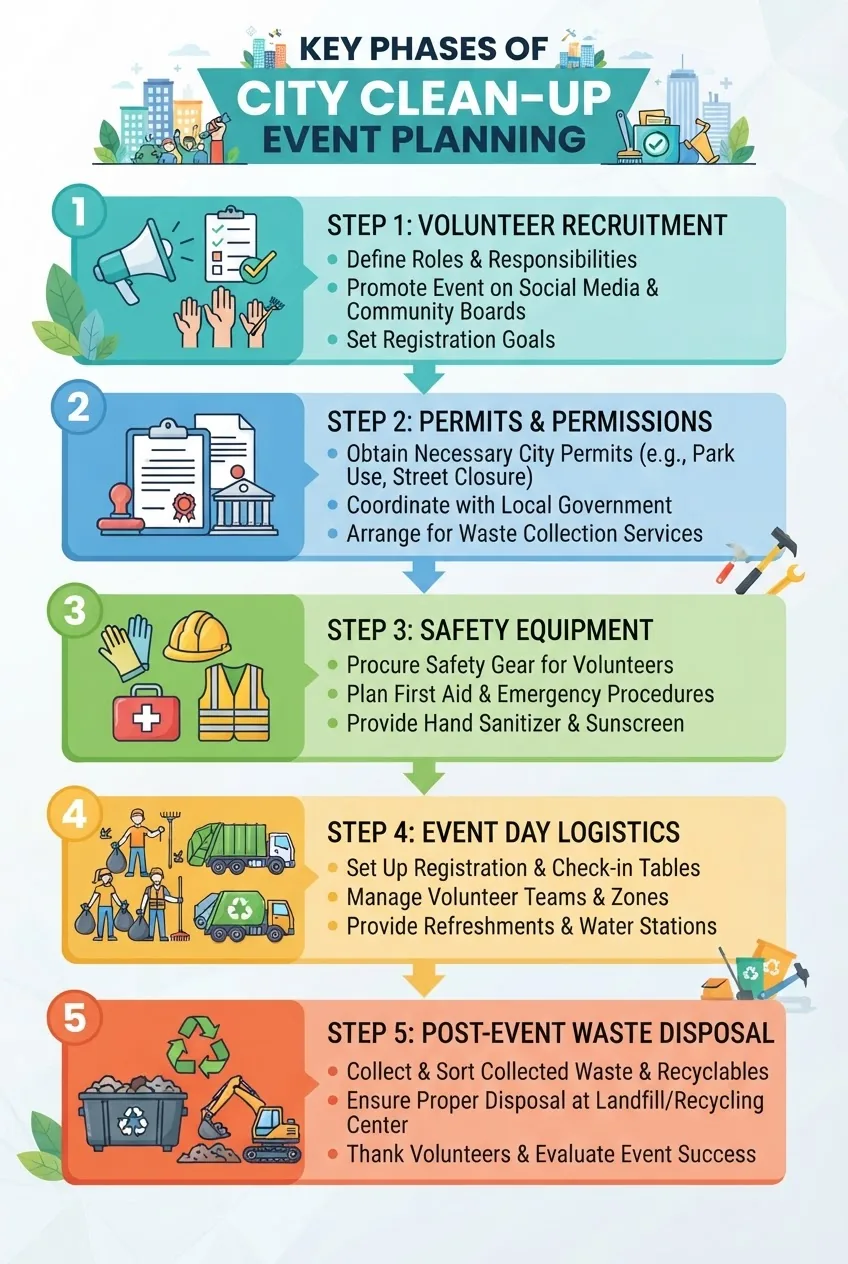
- Define clear objectives and scope. Decide whether the event targets litter pickup, bulk waste, yard debris, or hazardous materials. Example goals: remove 1 ton of litter from a 2-mile corridor; collect up to 10 bulk items per household; safely gather household hazardous waste in a separate container. Set a date 6–10 weeks out to allow permitting and outreach.
- Map the site and logistics. Create a simple site map: staging area, volunteer check-in, waste sorting stations (recycle, landfill, yard waste, hazardous), and truck access points. Reserve a 20′ x 30′ staging area for volunteers and supplies for events with 50+ people. Confirm waste truck turnaround radius and parking.
- Secure necessary municipal support. Contact your city public works and parks department at least 6 weeks before the event to request dumpsters, pick-up coordination, and street-closure permissions if needed. Ask for a written confirmation of service windows and drop-off limits.
- Recruit volunteers and assign leadership. Build teams of 8–12 volunteers led by 1 team leader. Use online registration and collect basic waivers and emergency contact info. Offer small incentives: free T-shirts, refreshments, certificates, or service-learning hours.
- Gather supplies and arrange disposal. Order or borrow 30–50 30–45 gallon contractor bags, 10–20 pairs of heavy-duty gloves, 6 grabbers, 6 rakes, 2 shovels, a scale or estimate method for tonnage, and 3 labeled disposal containers (recycle/organics/landfill). Confirm where each waste stream will go.
- Plan safety, training, and emergency response. Brief volunteers on hazard identification, sharps handling, and first-aid protocol. Designate a safety officer, and keep a satellite phone or charged cell phone for areas with limited service. Bring two first-aid kits per 50 people.
- Promote the event and engage partners. Reach out to schools, faith groups, local businesses, and community volunteers. Use local media, social platforms, and flyers. Consider partnerships for supply donations (gloves, water, dumpsters) and snack sponsors.
- Execute and document results. Run check-in, distribute supplies, and stage teams. Weigh collected materials when possible; take before/after photos and gather volunteer feedback. Share results within 48–72 hours to maintain momentum.
- Report, recycle, and follow up. Recycle what you can, report quantities to municipal partners, and publish a summary with photos and metrics to boost community engagement for the next event.

Securing Necessary Permits and Permissions
Start with the municipal department that manages the public land you want to use: parks, public works, or transportation. Request an event authorization and public land use permit if you will place dumpsters, block parking, or host >50 people. Cite local codes when applying and submit a site map and insurance or a liability waiver if requested. For authoritative guidance on permit language and municipal regulations, refer volunteers to official municipal government resources and consult your city’s public works website for timelines and application forms.
External reference: U.S. local government resources.
Recruiting and Managing Volunteers
Volunteer coordination must be scalable and simple. Use these tactics and tools:
- Registration form: collect name, email, emergency contact, T-shirt size, and any restrictions.
- Communication tools: Mailchimp or Google Groups for updates; a WhatsApp or SMS group for day-of logistics.
- Team leader roles: safety officer, supplies manager, photo/documentation lead, and disposal coordinator.
- Incentives: donated T-shirts, certificates, local business gift cards, or continuing-education credit where applicable.
- Volunteer count target: recruit 1.5x the number you need to allow for no-shows. For example, to ensure 60 active volunteers, register 90.
Safety and Equipment Considerations
- Personal protective equipment: gloves (work-rated nitrile or leather), high-visibility vests, closed-toe shoes—available sizes for all volunteers.
- Tools on site: litter grabbers, rakes, shovels, wheelbarrows, tarps for bulky items, and heavy-duty contractor bags (30–45 gal).
- Hazard protocols: do not pick up needles—mark location and notify a safety officer for municipal hazardous waste pickup.
- First-aid: two kits per 50 volunteers and an AED on site if possible; pre-assign a trained first-aider.
- Weather contingency: postpone if sustained winds exceed 25 mph or severe weather is forecast within 6 hours.
Promoting Your Event Effectively
- Social media: create a shareable event image and a Facebook event; schedule three posts during the 4 weeks leading up to the day.
- Local press: send a one-paragraph pitch to local newspapers and radio 2–3 weeks prior.
- Partnerships: invite schools, businesses, and local nonprofits—ask them to promote the event internally.
- Flyers and posters: distribute at libraries, cafes, and community centers with QR codes to your registration form.
- Targeted outreach: contact neighborhood associations and homeowners’ groups within the cleanup area.
Mini case study (real-world style): In a 2023 corridor cleanup led by a neighborhood association and city parks department, 120 volunteers removed 2.4 tons of litter and 45 bulk items from a 2-mile stretch in a single morning. Team leaders coordinated with three municipal trucks and diverted 32% of materials to recycling centers, increasing local recycling diversion compared with curbside-only attempts (reported by the municipal public works summary).
Transition: once your event plan is solid, evaluate local spring cleanup services that can augment or substitute community efforts.
Exploring Local Spring Cleanup Options Near Me
When you search for spring cleanup near me, you will find municipal programs, private contractors, DIY rental options, and hybrid community programs. Compare scope, cost, convenience, and environmental outcomes to choose the right mix.
| Service Type | Best for | Typical cost | Pros / Cons |
|---|---|---|---|
| Municipal Spring Cleanup Programs | Neighborhood-wide bulk pickups, yard waste | Often free or included in taxes; may require scheduling | Pros: low cost, integrated with public trash pickup. Cons: limited window, quantity limits. |
| Professional Spring Cleanup Services | Large properties, bulk furniture, fast removal | $150–$1,200+ depending on volume and locality | Pros: speed and convenience. Cons: cost, varying recycling practices. |
| DIY Dumpster / Rental Options | Construction debris, major yard projects | $300–$900/day for 10–20 yd dumpsters | Pros: control over sorting. Cons: permits may be required, self-load required. |
Municipal Spring Cleanup Programs
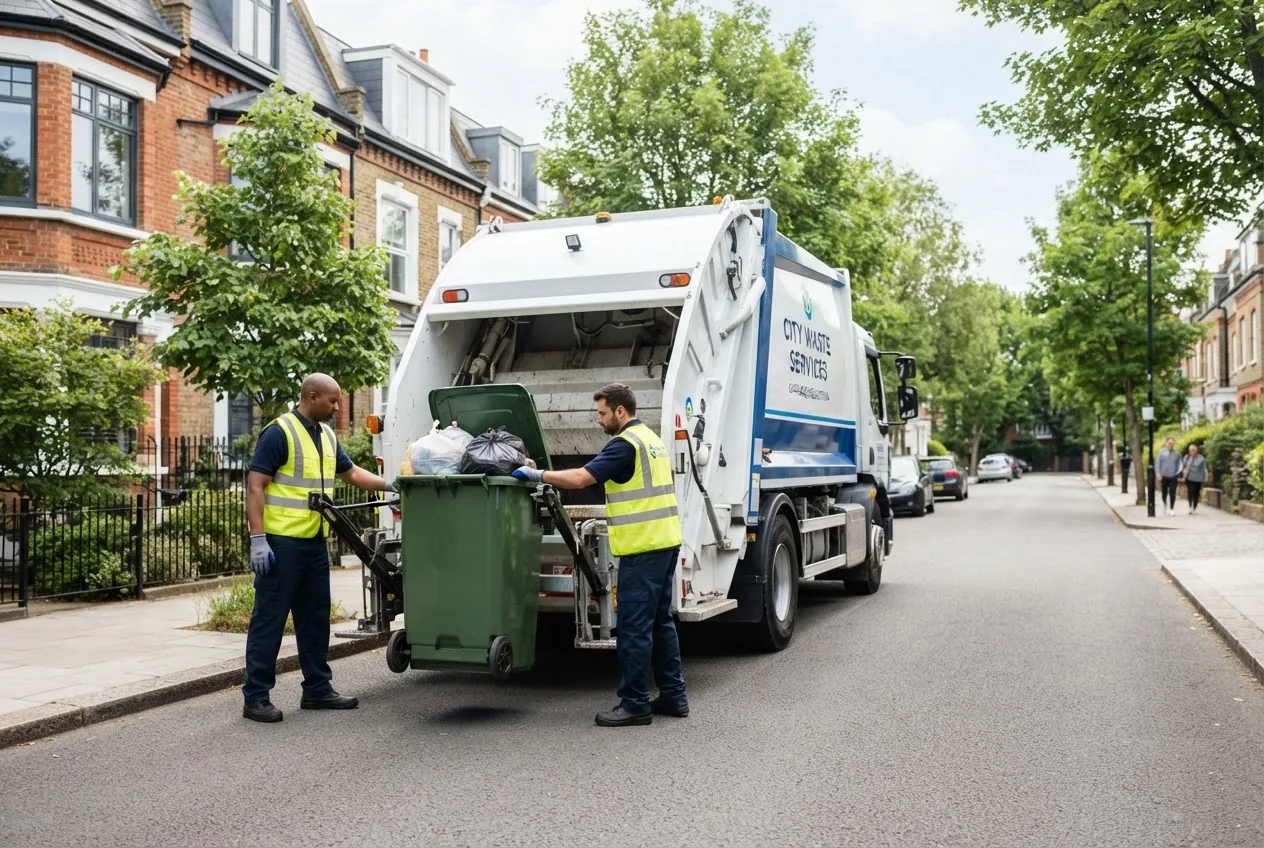
Municipal programs typically provide scheduled city-sponsored pickups for bulk items, yard waste disposal, and community recycling events. These run on set dates, have quantity limits, and sometimes require pre-registration or specific placement rules (curbside by 7 a.m., separate piles for brush and furniture).
Look up local offerings such as scheduled collections, drop-off events, and temporary recycling fairs. Many city sites publish reliable municipal waste pickup services and calendar details.
Birmingham garbage pickup service requirements
city garbage pickup service details
garbage man service collection requirements
reliable municipal waste pickup services
Republic trash and recycling services
yard waste disposal and drop off options
public trash collection and refuse centers
Hiring Professional Spring Cleanup Services
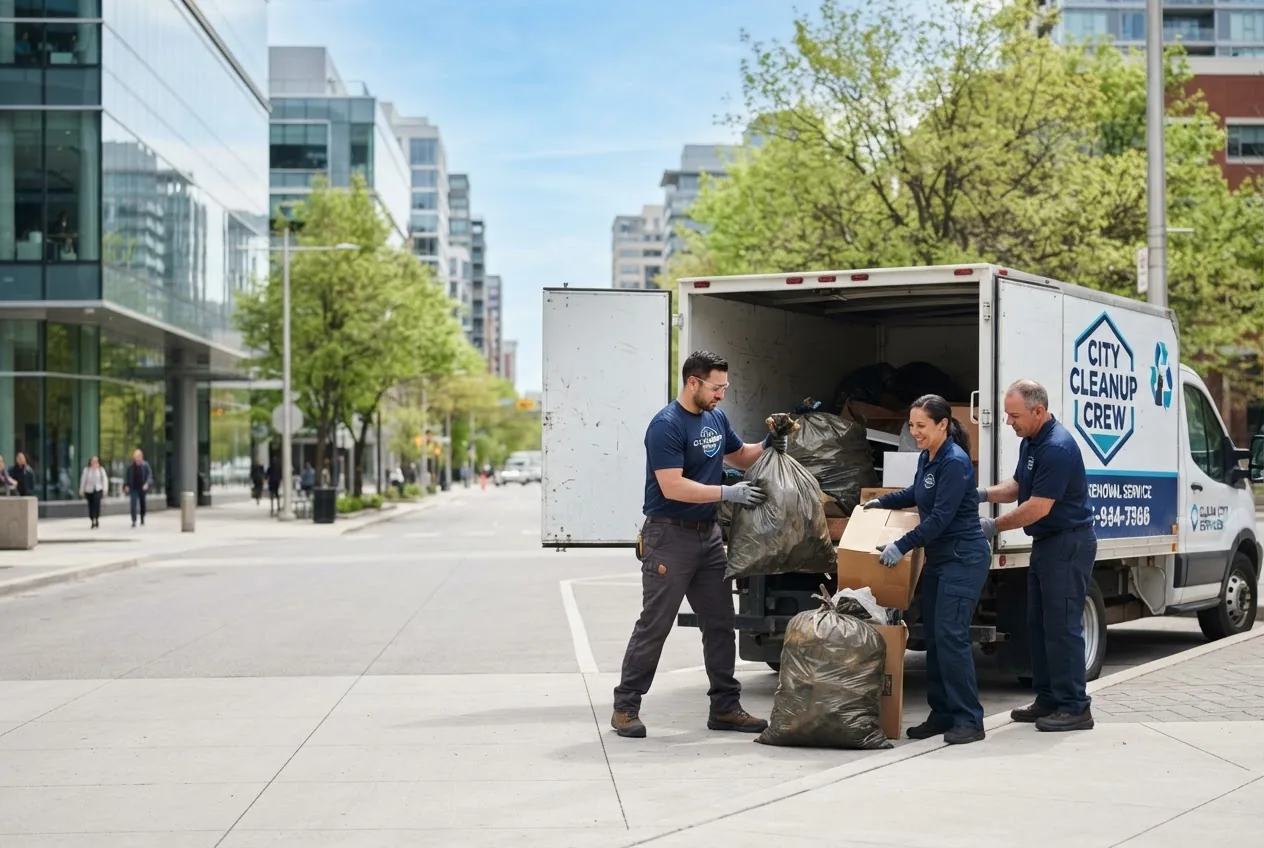
Professional services range from single-day crews to franchise junk removal outfits. Use comparative points to evaluate providers: pricing (by volume or per-item), disposal practices (do they recycle or send to landfill?), insurance and licensing, and references.
- Get three quotes with line-item estimates: labor, dump fees, travel time, and special handling fees (for mattresses/sofas/electronics).
- Check whether the provider recycles metal, electronics, and mattresses; ask for diversion rates.
- Ask whether they provide written disposal receipts—important for reporting and grant documentation.
junk removal services guide and residential pickup options
commercial junk removal cost overview
trusted veterans junk removal services
affordable rubbish removal pickups
affordable junk hauling services nearby
NYC trash pickup options
junk removal Cincinnati cost overview
Las Vegas junk removal and disposal services
furniture disposal and couch dump options
Example pricing: small-load junk removal often starts at $150–$250; a 2-person crew removing a sofa and several boxes typically runs $200–$400 in mid-size cities, while full-house cleanouts can exceed $1,000. Always request a written estimate and disposal receipt.

DIY Spring Cleanup Solutions and Tools
DIY approaches give you control over sorting and can be cost-effective for volunteer-driven events. Typical steps:
- Rent a dumpster sized to project volume—10 yd for small yard projects, 15–20 yd for large property cleanouts. Compare hourly/daily drop and pick fees.
- Use waste removal bags for smaller cleanups: rent dumpster bags that sit curbside for pickup on schedule.
- Sort materials on site into wood/brush, metal, electronics, and household hazardous fractions to reduce landfill fees.
commercial dumpster rental requirements
debris removal company options
dirt removal near me services
local dumpster rental cost guide
waste removal bags and dumpster bags
metal scrap pickup services
For construction-like debris or contaminated soil, consider specialist services rather than municipal pickups. Compare the cost trade-offs between self-hauling and hiring a crew; a day’s labor for a 3-person team can cost $600–$900 plus dump fees.
Finding “Spring Cleanup Near Me” Services Online
Use local search, review sites, and municipal listings. Practical steps:
- Search “spring cleanup near me” and verify company addresses and reviews; prioritize businesses with photo evidence of recycling and disposal.
- Ask hard questions: Where will my items be disposed of? Do you provide diversion documentation? What are extra fees for mattresses, electronics, or hazardous items?
- Request references or a list of recent municipal contracts.
- Use local directories and community boards and compare at least three providers.
Cost and timeline examples: many local crews can complete a curbside bulk pickup within 48–72 hours of booking; same-day service may cost a 20–40% premium.
Transitioning: whether you rely on municipal, professional, or DIY methods, correct waste disposal practices protect volunteers and the environment.
Best Practices for Waste Disposal During City Clean Ups
Proper disposal starts with accurate segregation and follows regulatory protocols for hazardous items. Effective practices reduce landfill use and minimize public-health risks.
- Segregate on site: clearly label zones for recyclables (paper, cardboard, metal, glass), organics (yard waste), bulky items (furniture), and hazardous materials (batteries, paint, solvents, electronics).
- Handle hazardous waste separately: never place batteries, pesticides, or solvents in general trash. Arrange a scheduled hazardous collection or direct volunteers to an authorized drop-off.
- Record tonnage and diversion: weigh full bags or estimate by volume; report totals to municipal partners and sponsors.
- Keep documentation: obtain and keep disposal receipts from haulers, transfer stations, or landfills.
For authoritative hazardous waste guidance, consult the national environmental authority:
U.S. Environmental Protection Agency — guidance on household hazardous waste handling and community collection events.
commercial recycling services and cost
landfill waste disposal requirements
public dumping requirements at dumps
hazardous waste removal rules
trash and recycling disposal guidelines
local landfill locations
Operational thresholds and rules to set on day-of:
- Do not allow volunteers to lift items >50 lb alone—use team lifts or equipment.
- Place sharps and suspected biohazard items in clearly marked, secured containers and call the municipal hazardous pickup or a licensed contractor.
- For electronics: separate them and direct to certified e-waste recyclers to avoid improper disposal.
Environmental and Community Benefits of City Clean Up Events
City clean ups yield measurable environmental benefits: reduced litter, better stormwater quality, and fewer wildlife hazards. Community returns include strengthened civic bonds and visible neighborhood renewal.
Illustrative examples:
- Pollution reduction: removing trash near waterways reduces plastic and micro-debris entering storm systems.
- Wildlife protection: clearing debris and hazardous materials reduces animal entanglement and ingestion risks.
- Community pride: visible improvements encourage sustained stewardship and increase participation in local civic programs.
According to a 2024 industry report by a municipal environmental office, repeat cleanups in targeted blocks produced long-term reductions in illegal dumping and a 12–20% rise in resident-led reporting of new dumping instances—an indicator of increased stewardship.
Tips for Maintaining Cleanliness Year-Round Post-Cleanup
- Set a quarterly micro-clean schedule—30–90 minutes per block—to sustain gains and limit full-event fatigue.
- Launch an education campaign about waste reduction and recycling to cut per-household waste generation by measurable amounts (set targets: e.g., 10% diversion increase in 12 months).
- Create a volunteer maintenance rota (one team per month) and rotate responsibilities to avoid burnout.
- Partner with local businesses for ongoing donation of supplies (gloves, trash bags) and small incentives.
Transition: before you execute, review the hands-on checklist and common pitfalls below so your event runs smoothly.
Step-by-step Hands-On Procedure (Core Steps)
- Plan the timeline (6–10 weeks): Weeks 1–2: secure site and permits; Weeks 3–5: recruit volunteers and sponsors; Week 6: confirm logistics and equipment; Day-of: execute; Weeks 7–8: report and recycling receipts. For small cleanups adjust to 3–4 weeks.
- Reserve disposal resources (4–6 weeks): Book dumpsters or city pickups early. A 15-yard dumpster fits ~3–4 pickup-truck loads; a 20-yard fits ~5–6. Verify placement and permit requirements.
- Recruit & register volunteers (3–6 weeks): Set a registration target with buffer (register 1.5x expected turnout). Use online forms, and collect waivers. Assign team leads and send role-specific instructions 72 hours before event.
- Procure supplies (2–3 weeks): Order gloves in mixed sizes, 30–45 gal bags, first-aid kits, and 6–10 grabbers. Collect water and snacks for breaks—plan 16–24 oz water per volunteer per event hour.
- Obtain permits and insurance (6 weeks): Submit site map, insurance certificate, and emergency plan to the municipal permit office. If a street closure is required, apply earlier and include a traffic management plan.
- Train team leaders (1 week): Run a short 1-hour prep meeting: safety brief, waste streams, volunteer check-in, and incident reporting. Provide printed checklists and radio/phone contact lists.
- Day-of execution (3–6 hours): Check-in takes 20–30 minutes for 50 people. Run a 10–15 minute safety briefing, then deploy teams in 2–3 hour shifts with water and rest breaks. Collect materials to staging and load into assigned trucks or dumpsters.
- Waste transfer and documentation (same day): Weigh loads if possible or estimate by dumpster fill percentage. Obtain disposal receipts from haulers and transfer stations for records.
- Debrief and report (48–72 hours): Gather volunteer feedback, publish tonnage/diversion rates, and thank partners. Store photos and receipts for future grant or municipal reporting.
Common mistakes and how to avoid them
I’ve seen organizers underestimate turnout and run out of gloves and bags; now I always order 30% extra supplies. I once scheduled a street closure without confirming the city’s traffic plan—confirm permits in writing. Another time we mixed hazardous items into general trash; now we brief teams repeatedly and post labeled bins clearly.
Final checklist
- Permit and municipal confirmation received in writing
- Volunteer registration ≥ 1.5× expected turnout
- Supplies stocked: gloves, bags, grabbers, first-aid, water
- Waste handling: recycling, yard waste, hazardous separation plan
- Disposal receipts collection plan in place
- Post-event report template ready
When to call in a professional
Hire professionals when you face heavy bulk loads (>2–3 tons), hazardous materials, contaminated soil, or construction debris—especially when local landfill restrictions apply. Call a licensed hazardous-waste contractor for paints, solvents, and medical waste, and use a licensed debris removal company for construction-grade materials.
Transition to FAQs and resources below for quick answers and official guidance.